Best Ways to Prevent Water Spots and Fingerprints on Your Steel Sink
- Share
- publisher
- Samsink
- Issue Time
- Dec 29,2025
Summary
Stainless steel kitchen sinks, utility sinks, farmhouse sinks, and commercial sinks are all crafted from durable stainless steel, respectively designed to meet the diverse needs of home cooking, multi-purpose chores, rustic-style decor, and high-intensity commercial environments.
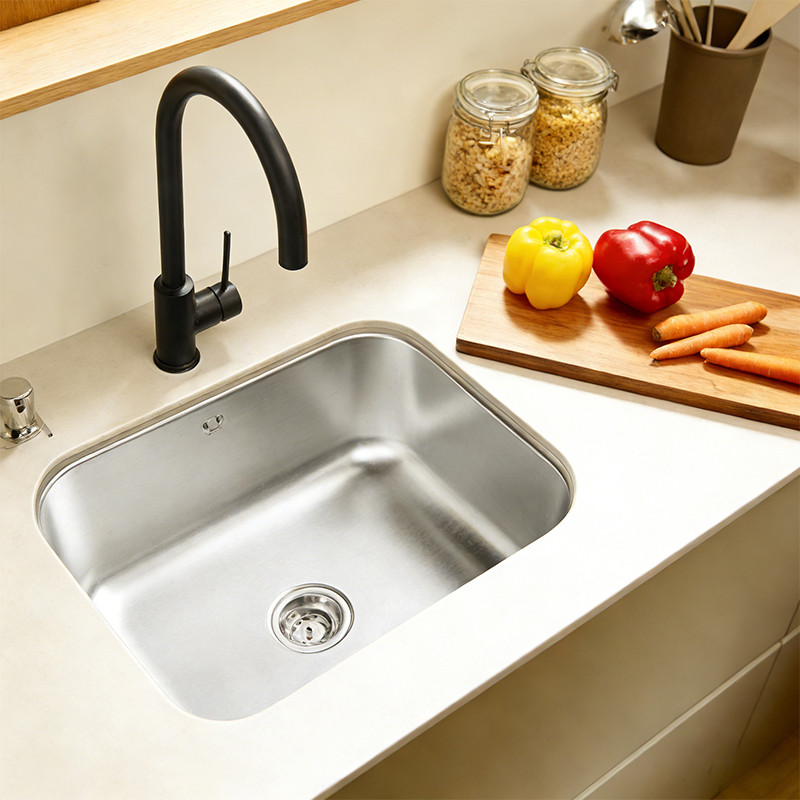
Maintaining a stainless steel sink that remains spotless, shiny, and free from unsightly water spots and fingerprints is a challenge faced by homeowners and professionals alike. The beauty and durability of stainless steel make it a popular choice for kitchens, but without proper care, it can quickly become marred by water stains and smudges.
In this comprehensive guide, we present proven methods and expert tips to prevent water spots and fingerprints on your steel sink, ensuring it retains its sleek appearance for years to come. From preventative measures to cleaning techniques and protective coatings, this article covers everything you need to know to keep your sink looking pristine.
Understanding the Causes of Water Spots and Fingerprints on Steel Sinks
Before diving into prevention strategies, it is crucial to understand the root causes of water spots and fingerprints:
-Mineral Deposits: Hard water contains minerals like calcium and magnesium, which leave residue when water evaporates, resulting in white spots or stains.
-Fingerprints and Smudges: Oils, lotions, and natural skin oils transfer onto the steel surface, creating dark smudges and fingerprints.
-Surface Oxidation: Over time, exposure to moisture can cause oxidation, leading to discoloration or stains.
-Improper Cleaning Techniques: Using abrasive cleaners or rough cloths can scratch the surface, making it more susceptible to staining.
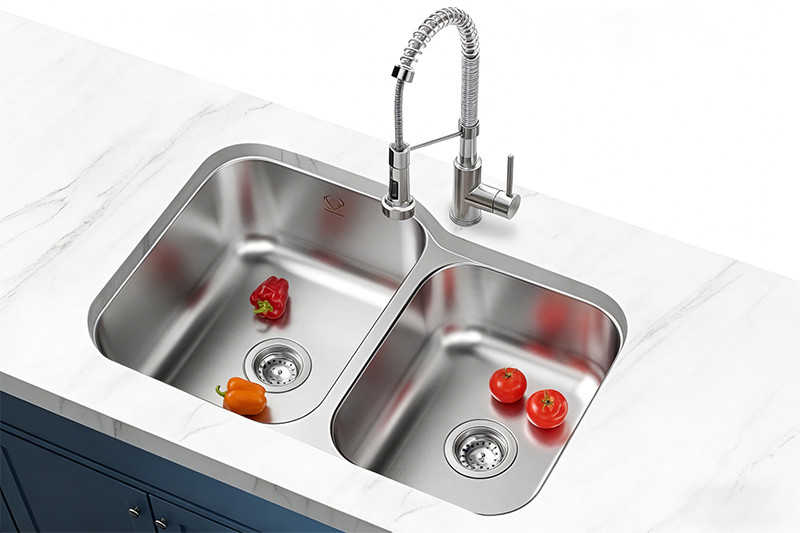
Expert-Recommended Strategies to Prevent Water Spots and Fingerprints
1. Choose the Right Cleaning Tools and Products
Using the appropriate cleaning tools is paramount. Always opt for soft microfiber cloths or sponge pads designed for stainless steel. Avoid abrasive scrubbers or steel wool, which can scratch the surface and exacerbate staining.
Recommended cleaning products:
-pH-neutral cleaners formulated for stainless steel
-Vinegar-based solutions (diluted) for natural cleaning
-Specialized stainless steel cleaners that leave a protective film
2. Implement Regular and Proper Cleaning Routines
Consistent cleaning prevents the buildup of water spots and smudges. After each use:
-Rinse thoroughly with warm water to remove soap residue.
-Dry the sink completely with a microfiber cloth to prevent water from evaporating and leaving mineral deposits.
-Use a gentle cleaner weekly for a deeper cleanse, focusing on areas prone to staining.
Tip: Always wipe in the direction of the grain of the stainless steel to avoid streaks.
3. Apply a Protective Sealant or Coating
Protective coatings create a barrier that repels water and oils, significantly reducing water spots and fingerprints:
-Stainless steel sealants or waxes specifically designed for sinks
-Hydrophobic coatings that cause water to bead and roll off
-DIY options: Applying a thin layer of mineral oil or olive oil can temporarily enhance shine and repel fingerprints
Application tips:
-Clean the sink thoroughly before applying any coating.
-Use a clean, dry cloth to evenly spread the product.
-Buff to a shine and allow it to cure as per manufacturer instructions.
4. Use Water Softening Solutions
Hard water is a primary culprit behind persistent water spots. Installing a water softener system or using water filters reduces mineral content, leading to fewer stains.
-Whole-house water softeners are ideal for extensive protection.
-For localized use, filter pitchers or sink-mounted filters can suffice.
Additional tip: Regularly descale your sink using vinegar or commercial descaling products to remove mineral buildup.
5. Minimize Contact with Oils and Oils-Containing Products
Oils from lotions, cooking, or even fingerprints from handling can leave dark smudges. To mitigate:
-Use gloves when handling items near the sink.
-Wipe down the sink immediately after contact with oily substances.
-Keep oily substances away from the sink area.
Advanced Techniques for Long-Term Protection
6. Install a Sink Mat or Protective Cover
Using a rubber or silicone mat at the bottom of your sink can prevent scratches and reduce the contact area for oils and water droplets:
-Choose mats with non-slip backing.
-Regularly clean and dry the mat to prevent mold and bacteria buildup.
7. Consider Professional Coating Applications
For high-end sinks, professional electro-polishing or advanced protective coatings provide superior resistance against water spots and fingerprints:
-These treatments seal the surface at a microscopic level.
-They offer long-lasting protection and are highly recommended for premium installations.

Best Maintenance Practices for a Pristine Steel Sink
| Maintenance Practice | Frequency | Details |
Daily rinsing and drying | After each use | Prevent mineral deposits and smudges |
Weekly deep clean | Once a week | Use gentle cleaner and microfiber cloth |
| Monthly descaling | Once a month | Remove mineral buildup with vinegar or commercial descaler |
| Reapplication of sealant | Every 6-12 months | Maintain protective barrier |
| Water softener maintenance | As recommended | Keep mineral content low in water supply |
Choosing the Right Products for Your Steel Sink
| Product Type | Purpose | Recommended Brands | Application Tips |
Microfiber Cloths | Gentle cleaning | AmazonBasics, MagicFiber | Wipe in the direction of grain |
| Stainless Steel Cleaner | Deep cleaning & shine | Bar Keepers Friend, Weiman | Apply with soft cloth, buff to shine |
| Protective Sealants | Water and fingerprint resistance | Weiman Stainless Steel Cleaner & Polish, Flitz | Apply evenly, buff to a clear finish |
| Water Softeners | Mineral deposit reduction | Fleck, Aquasana | Regular maintenance for optimal performance |
Conclusion: Maintain Your Steel Sink for Long-Lasting Shine
Achieving a pristine, water spot-free, fingerprint-resistant stainless steel sink is a matter of consistent maintenance, appropriate product selection, and protective measures. By integrating these expert strategies into your routine, you will extend the lifespan and beauty of your sink, ensuring it remains a centerpiece of your kitchen for years to come.
Implementing preventative measures such as regular cleaning, protective coatings, and water softening will drastically reduce the time and effort needed for upkeep. Remember, a well-maintained sink not only looks better but also functions more efficiently and resists staining and corrosion.
Upgrade your cleaning regimen today and enjoy a pristine, stainless steel sink that reflects your commitment to quality and elegance.
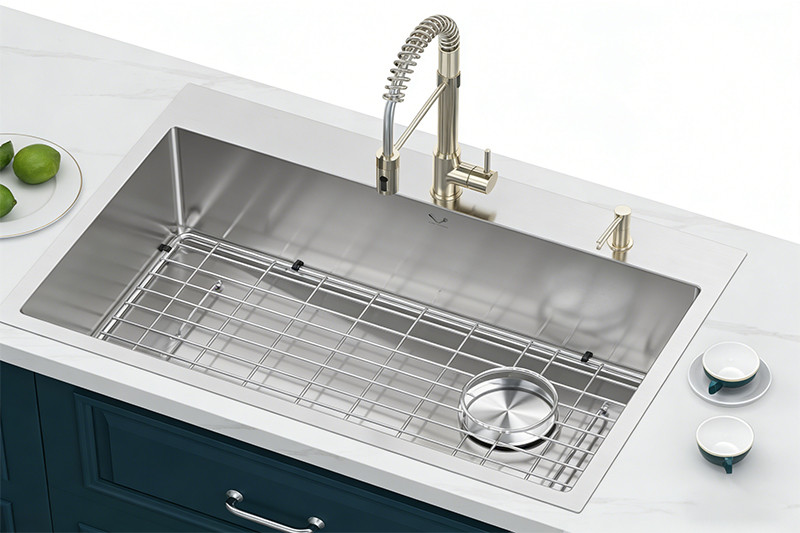
Ultimate Tips Summary:
-Use soft, non-abrasive tools for cleaning.
-Always dry the sink after washing.
-Apply protective coatings periodically.
-Install water softeners to reduce mineral deposits.
-Keep oily substances away and clean spills immediately.
-Consider professional protective treatments for long-term durability.
Your stainless steel sink is an investment in your home’s aesthetic. Protect it wisely with these comprehensive, expert-approved methods to keep it looking flawless every day.