Case Study: Successful Commercial Hand Wash Sink Installations in Foodservice – Planning for Hygiene and Compliance
- Share
- Issue Time
- Dec 23,2025
Summary
Effective hand wash sink installation in foodservice is crucial for hygiene, regulatory compliance, and preventing foodborne illnesses. This guide emphasizes the importance of strategic planning, adherence to regulations, and practical considerations for owners and operators. Key takeaways include the non-negotiable nature of regulatory compliance, particularly with the FDA Food Code and state/local health regulations, which dictate sink numbers, location, water temperature (e.g., 85°F/29.4°C mi
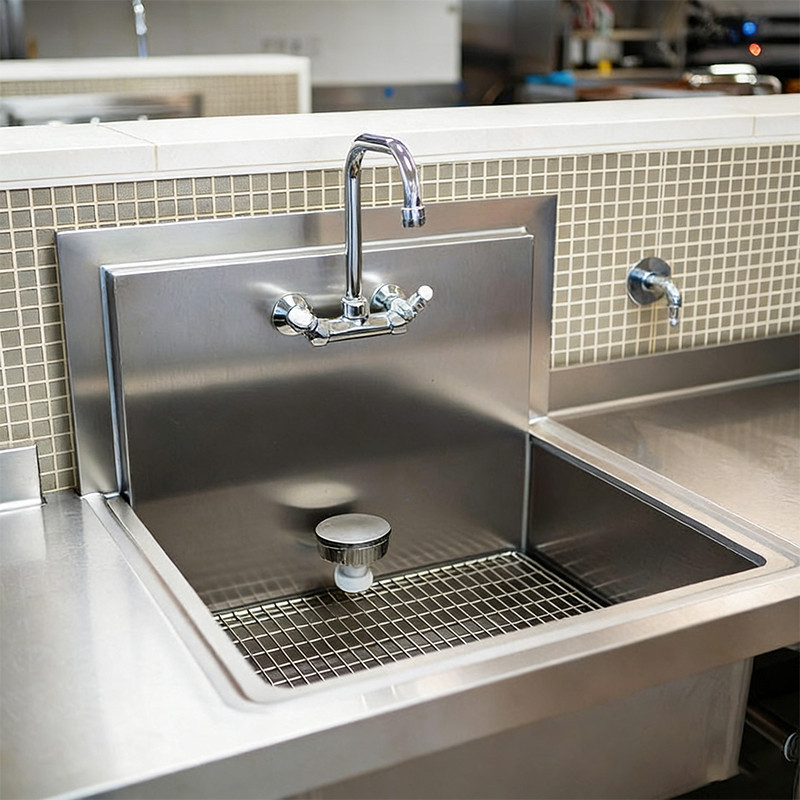
As someone deeply involved in the foodservice industry, I've seen firsthand how crucial proper hand wash sink installations are for both hygiene and compliance. In a world where public health is more scrutinized than ever, the simple act of washing hands correctly in a well-placed, dedicated sink is a cornerstone of a safe food establishment. This case study will explore the essential elements of successful commercial hand wash sink installations, focusing on planning, regulatory adherence, and practical considerations that every owner, manager, and operator needs to understand.
We'll dive into how strategic sink placement and the right equipment not only meet federal and state regulations but also enhance operational efficiency and prevent foodborne illnesses. From the foundational rules set by the FDA to the nuanced requirements of local health departments, getting this right is non-negotiable for the longevity and reputation of your business. Embracing these guidelines ensures that our foodservice establishments not only meet but exceed the required standards for a safe and healthy operation.
Key Takeaways
- Regulatory Compliance is Non-Negotiable: Adherence to the FDA Food Code and state/local health regulations is the foundation of a safe foodservice operation. This includes specific rules for the number of sinks, their location, water temperature, and accessibility. The 2022 FDA Food Code, for instance, specifies that handwashing sinks must deliver water at a temperature of at least 85°F (29.4°C).
- Dedicated Sinks for Dedicated Tasks: Cross-contamination is a primary cause of foodborne illness. Regulations strictly prohibit handwashing in sinks used for food preparation, dishwashing (warewashing), or janitorial services. Each type of sink—handwashing, three-compartment, prep, and mop sinks—has a specific purpose that must be respected to maintain a hygienic environment.
- Strategic Placement Enhances Workflow and Safety: Handwashing sinks must be conveniently located and easily accessible to employees in all food preparation, dispensing, and warewashing areas, as well as adjacent to restrooms. Unobstructed access encourages frequent and proper handwashing, which is a critical behavior to prevent the spread of pathogens.
- Proper Installation and Materials Matter: Sinks must be equipped with hot and cold running water, soap, a hygienic hand-drying method (like single-use paper towels or an air dryer), and proper drainage with backflow prevention. The industry standard material is durable, non-porous stainless steel, often with NSF certification, which ensures it's easy to clean and sanitize.
- Handwashing is a System, Not Just a Sink: The physical installation is only part of the solution. A successful hygiene program requires continuous stocking of essentials (soap, towels), clear signage reminding employees of their duty to wash their hands, and comprehensive employee training on when and how to wash their hands properly. This combination of infrastructure and operational protocol creates a robust culture of food safety.
Understanding the Foundation: Regulatory Requirements for Commercial Hand Wash Sink Installations in Foodservice
The installation of commercial handwashing sinks is not a matter of preference or convenience; it is strictly governed by a hierarchy of regulations designed to protect public health. The spread of germs from the hands of food workers to food is a primary cause of foodborne illness outbreaks in restaurants. Therefore, understanding and implementing these rules is the first and most critical step in planning a compliant and safe foodservice kitchen.
Navigating Federal and State Mandates for Sinks
At the top of the regulatory pyramid is the U.S. Food and Drug Administration (FDA), which provides a model set of guidelines. However, state and local health departments often adopt, adapt, or add to these rules, creating a specific compliance landscape that every foodservice operator must navigate.
Federal Guidelines: FDA Food Code Standards
The FDA Food Code serves as the scientific and legal basis for food safety regulations across the United States. It is the FDA's best advice for a uniform system to ensure food is safe and properly presented. Key provisions related to handwashing sinks include:
- Water Temperature: The 2022 FDA Food Code specifies that a handwashing sink must be capable of delivering water at a temperature of at least 85°F (29.4°C). This is a change from the previous 100°F requirement and aligns with other plumbing codes.
- Location and Accessibility: A handwashing sink must be located to allow convenient use by employees in food preparation, food dispensing, and warewashing areas. The code also requires sinks to be located in or immediately adjacent to toilet rooms. Crucially, these sinks must always be accessible and not blocked.
- Dedicated Use: The Food Code is explicit that sinks designated for handwashing are to be used for that purpose only. Employees are prohibited from washing their hands in sinks used for food preparation, warewashing (dishwashing), or janitorial tasks like disposing of mop water.
- Required Supplies: Each handwashing station must be equipped with hand soap and a hygienic method for drying hands, such as disposable paper towels or an approved air-drying device. Additionally, a sign or poster must be clearly visible to remind employees to wash their hands.
State and Local Variations: What You Need to Know
While the FDA Food Code is a model, it is not federal law. It is up to individual states, counties, and cities to adopt and enforce it. This often leads to variations. For example:
- Specific Temperature and Number: Some jurisdictions may retain the 100°F water temperature requirement or have more specific rules about the number of sinks required based on the establishment's size or number of employees. Pennsylvania regulations, for instance, specify that hot water must be at least 100°F in certain counties.
- Hands-Free Operation: To further reduce cross-contamination, some local codes may mandate hands-free faucet controls, such as foot pedals, knee levers, or electronic sensors, especially in new constructions or high-risk establishments.
- Plan Review Process: Before construction or renovation, operators must typically submit their kitchen plans to the local health department for review. This process ensures that the proposed layout, including the number and placement of all sinks, meets all local requirements before a single pipe is installed.
It is imperative for operators to have a direct conversation with their local health inspector to understand the specific interpretations and requirements that apply to their establishment.
The 'Why' Behind the Rules: Preventing Cross-Contamination and Ensuring Public Health
The stringent regulations governing handwashing sinks exist for one primary reason: to prevent the spread of foodborne illness. Hands are a primary vehicle for pathogens like Norovirus, Salmonella, and E. coli. Without proper and frequent handwashing, these germs can easily transfer from a contaminated surface (like raw meat or a restroom door handle) to ready-to-eat foods, leading to illness.
The Centers for Disease Control and Prevention (CDC) estimates that millions of Americans get sick from foodborne diseases each year, with many outbreaks linked to restaurants. Proper hand hygiene is a critical defense against this. The rules ensure that:
- Employees have a convenient and dedicated place to wash their hands effectively.
- The risk of contaminating food, prep surfaces, or clean dishes with dirty handwash water is minimized.
- A culture of food safety is established and reinforced through visible and accessible facilities.
Ultimately, adhering to these codes is not just about passing an inspection; it's about building consumer trust and demonstrating a commitment to safeguarding the health and well-being of both customers and employees.
Types of Sinks: Tailoring Commercial Hand Wash Sink Installations in Foodservice to Specific Needs
A commercial kitchen is a complex environment where different activities happen simultaneously. To prevent cross-contamination and maintain an efficient workflow, health codes mandate the use of different types of sinks for specific tasks. Simply having a "sink" is not enough; the right sink must be used for the right job, every time.
Dedicated Handwashing Sinks: A Non-Negotiable Requirement
The single most important sink in any foodservice establishment is the one dedicated exclusively to handwashing. The FDA Food Code explicitly states that food employees must wash their hands only in a designated handwashing sink and are prohibited from using sinks intended for food preparation, warewashing, or utility services. This strict separation is a cornerstone of food safety, as it prevents pathogens from hands from contaminating food and clean utensils.
Features of a Compliant Hand Sink
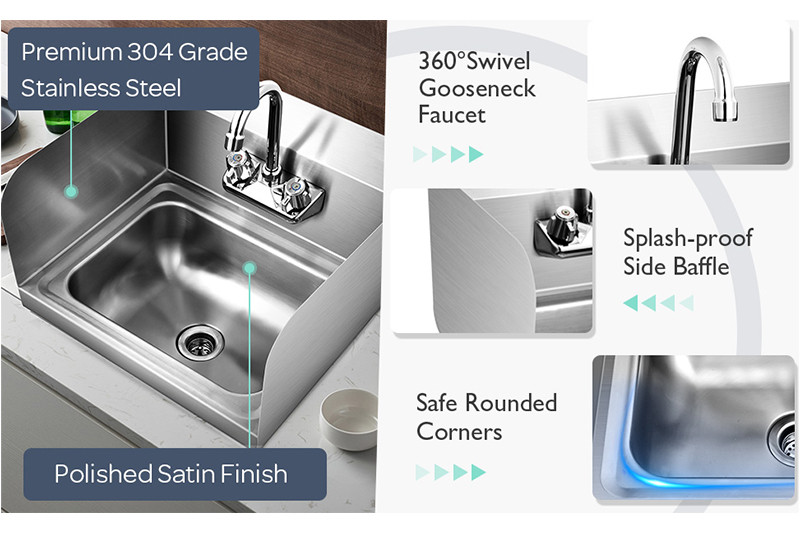
To be compliant, a hand sink must possess several key features designed for hygiene and ease of use:
- Basin Size: The sink basin must be large enough to allow employees to wash their hands comfortably without touching the sides, which could lead to re-contamination. Standard dimensions are often around 10x14x5 inches, though smaller space-saving models are available.
- Water Supply: It must provide both hot and cold running water through a mixing faucet, delivering water at a specified temperature (the 2017 FDA Food Code suggests at least 100°F/38°C, though the 2022 update lowers this to 85°F).
- Hands-Free Capability: To minimize the re-contamination of clean hands, many health departments encourage or require hands-free faucets. These can be operated by electronic sensors, knee pedals, or a foot-operated mechanism.
- Essential Supplies: A compliant handwashing station is incomplete without a continuous supply of soap (in a dispenser), a hygienic hand-drying method (such as single-use paper towels or a heated-air dryer), and a waste receptacle for used towels.
- Signage: A clearly visible sign must be posted at every handwashing sink instructing employees to wash their hands.
Strategic Placement for Optimal Access
The location of a handwashing sink is just as crucial as its features. Sinks must be convenient and easily accessible to encourage frequent use. FDA guidelines require handwashing sinks to be located in food preparation, food dispensing, and warewashing areas, as well as in or immediately adjacent to restrooms. A common rule of thumb is that a hand sink should be within 25 feet of these work areas. They must never be blocked by equipment or supplies, as any obstruction can deter an employee from washing their hands when necessary.
Specialized Sinks in Foodservice: Beyond Handwashing
Beyond the critical handwashing sink, a commercial kitchen relies on several other types of sinks, each with a designated purpose. Using these sinks for anything other than their intended function, especially handwashing, is a serious violation that can lead to cross-contamination.
Three-Compartment Sinks for Warewashing
The three-compartment sink is the backbone of manual dishwashing in a commercial kitchen. It is an FDA-approved method for ensuring that utensils, pots, and pans are properly cleaned and sanitized. Even facilities with a commercial dishwasher are often required to have a three-compartment sink as a backup. The process is systematic and must be followed precisely:
- Wash: The first compartment contains hot, soapy water (typically at least 110°F/43°C) for scrubbing and removing food debris.
- Rinse: The second compartment holds clean, hot water to rinse away all soap residue.
- Sanitize: The third compartment contains either a chemical sanitizing solution mixed to the correct concentration or hot water held at a temperature of at least 171°F (77°C) for a specified contact time.
Two integral drainboards for soiled and clean items are also a standard requirement. Using this sink for handwashing or mop water disposal is strictly forbidden.
Prep Sinks for Food Preparation
A food preparation sink is used exclusively for washing, thawing, and other prep-related tasks involving food products. These sinks must be kept separate from handwashing and utility sinks to prevent contaminants from cleaning chemicals or human pathogens from coming into contact with food. If a prep sink is located near a hand sink, a partition or splashguard is often required to prevent spray and potential contamination.
Bar Sinks and Dump Sinks for Liquid Disposal
Bars and beverage stations often have their own specialized sinks. A bar sink is typically a smaller version of a three- or four-compartment sink used for washing glassware. A dump sink is a small, simple basin designated for disposing of leftover liquids from drinks, preventing bartenders from pouring old ice and beverages into a handwashing or glass-washing sink.
Mop Sinks for Utility Purposes
Also known as a janitorial or service sink, the mop sink is a floor-level or low-walled basin used for filling mop buckets and disposing of used mop water and other liquid cleaning wastes. To prevent contamination, this sink must be physically separated from any food preparation, storage, or service areas. It must never be used for handwashing or any food-related task.
| Sink Type | Primary Purpose | Key Requirements | Prohibited Uses |
|---|---|---|---|
| Handwashing Sink | Washing hands only | Hot/cold water, soap, hand-drying device, signage | Food prep, dishwashing, dumping waste |
| Three-Compartment Sink | Washing, rinsing, and sanitizing dishes/utensils | Three distinct basins, two drainboards, proper water temps/sanitizer | Handwashing, food prep, mop water disposal |
| Food Prep Sink | Washing vegetables, thawing meat, etc. | Separation from other sinks (may require splash guards) | Handwashing, chemical use, dishwashing |
| Bar/Dump Sink | Disposing of unwanted liquids and ice | Convenience in beverage service areas | Handwashing, general cleaning |
| Mop/Utility Sink | Filling/emptying mop buckets, disposing of cleaning water | Location away from food areas, hot/cold water | Handwashing, food prep, dishwashing |
Planning and Design for Successful Commercial Hand Wash Sink Installations in Foodservice
A successful hand wash sink installation goes beyond simply buying a compliant unit; it requires thoughtful planning and design that integrates the sink into the kitchen's workflow, plumbing infrastructure, and overall sanitation strategy. Poor planning can lead to compliance failures, operational bottlenecks, and an increased risk of cross-contamination, regardless of how well-equipped the sink itself is. By focusing on location, plumbing, and materials from the outset, you can create an environment where food safety is built-in, not bolted on.
Location, Location, Location: Ensuring Accessibility and Preventing Obstruction
The placement of handwashing sinks is one of the most critical factors in a food-safe kitchen design. If a sink is inconveniently located or blocked, employees are less likely to use it as frequently as required, defeating its purpose entirely.
Proximity to Food Preparation, Service, and Restrooms
Health codes are clear and strict: handwashing sinks must be conveniently located for employee use in key areas. This means placing dedicated hand sinks within or at the entrance to food preparation zones, near dishwashing areas, and in or immediately adjacent to restrooms. The logic is simple: placing sinks at points of potential contamination—like after handling raw food or using the restroom—promotes immediate and correct hand hygiene. As a general rule, a hand sink should be located within a 25-foot radius of these critical workstations to be considered "convenient."
Maintaining Clear Pathways to Sinks
Accessibility is another non-negotiable requirement. A handwashing sink must be available for use at all times, free from any obstructions. This means kitchen staff cannot store mobile equipment, boxes of produce, or stacks of dirty dishes in front of the sink. A blocked sink is a cited violation during a health inspection because it creates a barrier to proper hygiene. Furthermore, design should consider compliance with the Americans with Disabilities Act (ADA), which has specific requirements for sink height (maximum of 34 inches from the floor) and knee clearance (at least 27 inches high and 30 inches wide) to ensure accessibility for all employees.
Plumbing and Water Supply: Ensuring Optimal Functionality
A sink is only as good as its plumbing. Reliable, compliant plumbing is the engine that powers its functionality, delivering clean water at the correct temperature and safely removing waste.
Hot and Cold Running Water Requirements
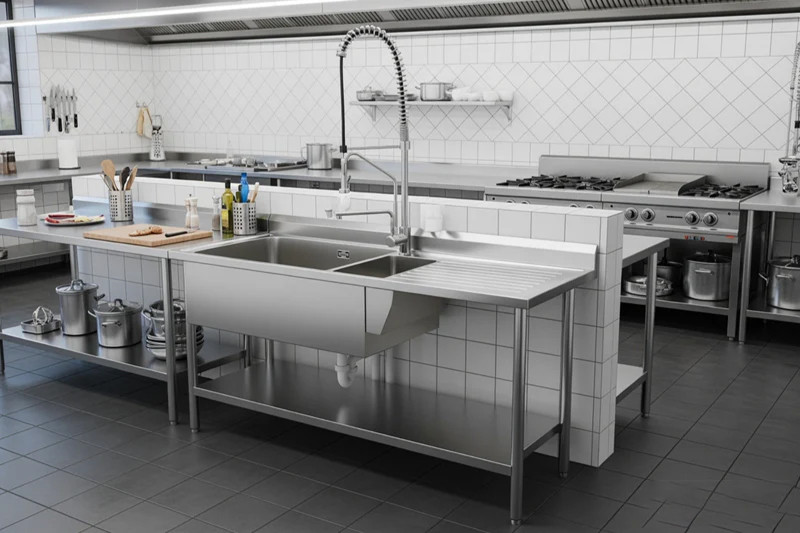
Every handwashing sink must be supplied with both hot and cold running water. This water must be delivered through a mixing valve or combination faucet that can provide water at a suitable temperature to effectively remove grease and pathogens. The 2022 FDA Food Code revision changed the minimum required temperature capability from 100°F (38°C) to 85°F (29.4°C), recognizing that water temperature is less about killing germs (which is the soap's job) and more about encouraging comfortable and effective scrubbing. Regardless, the system must be capable of meeting local code, which may still require the higher temperature.
Drainage and Backflow Prevention
Proper drainage is essential for sanitation. Sink drains must be correctly installed to prevent clogs and backups of contaminated water. The minimum drain line size for commercial kitchen sinks is often larger than residential ones, typically at least 2 inches in diameter, to handle higher volumes of wastewater.
Crucially, all plumbing fixtures must be protected against backflow, a hazardous situation where contaminated water from the drainage system reverses flow and enters the clean water supply. This is prevented by installing backflow prevention devices, such as an Atmospheric Vacuum Breaker (AVB) or other approved valves, on faucets, especially those with hose attachments like on a mop sink.
Indirect Waste Connections for Specific Sinks
To provide an extra layer of protection against contamination from sewage backups, many plumbing codes require certain sinks to have an indirect waste connection. This means the sink's drain pipe does not connect directly to the sewer line. Instead, it empties into a separate, trapped floor sink with an "air gap"—a physical space between the end of the drain pipe and the flood rim of the floor sink. This air gap ensures that if the sewer backs up into the floor sink, the waste cannot travel up the drainpipe and contaminate the sink basin. This requirement is standard for food preparation sinks, warewashing sinks, and ice bins. Handwashing and mop sinks are typically allowed a direct connection.
Materials and Construction: Durability and Sanitation in Foodservice
The materials and construction of a sink directly impact its durability, cleanability, and long-term safety. In the demanding environment of a commercial kitchen, only certain materials and designs meet the grade.
Stainless Steel: The Industry Standard
Stainless steel is the universally preferred material for commercial kitchen sinks, and for good reason. Its surface is non-porous, which means it resists the absorption of bacteria, odors, and stains. It is also exceptionally durable, able to withstand the daily impacts of heavy pots and pans, extreme temperatures, and corrosive cleaning chemicals without chipping, cracking, or rusting.
There are different grades of stainless steel, but Type 304 is the most common and recommended for foodservice due to its excellent balance of corrosion resistance and cost. The thickness of the steel, or "gauge," is also important; a lower gauge number means thicker, more durable steel, with 16- or 18-gauge being industry standards.
NSF Certification and Design Features (e.g., coved corners, radius seams)
For an added layer of assurance, look for sinks that are NSF Certified. NSF International is an independent organization that tests and certifies products to ensure they meet strict public health and safety standards. An NSF mark indicates that the sink's materials are safe for food contact and that its design facilitates easy cleaning and sanitation.
Key design features that contribute to NSF certification and superior sanitation include:
- Coved Corners: The joints where sink bowls meet the walls are curved (coved) rather than sharp 90-degree angles. This smooth, seamless transition eliminates crevices where bacteria and grime can accumulate, making cleaning much easier and more effective.
- Radius Seams: Similar to coved corners, the welded seams and edges of the sink are rounded and polished smooth, leaving no place for pathogens to hide.
By investing in a well-designed, NSF-certified stainless steel sink, you are investing in a piece of equipment that is built to uphold the highest standards of hygiene and durability for years to come.