Guide to Commercial Sinks: Choosing the Right Type for Efficiency and Compliance
- Share
- Issue Time
- Dec 11,2025
Summary
Choosing the right commercial sink is essential for kitchen efficiency and food safety! This guide explains three-compartment sinks (3 compartment sink), dedicated handwashing sinks, prep sinks, and more—while warning against non-compliant 3 compartment sink with hand wash setups. Learn FDA, health code, and ADA requirements to avoid cross-contamination, boost workflow, and ensure durable stainless steel solutions. Read the full commercial sink buying guide now!
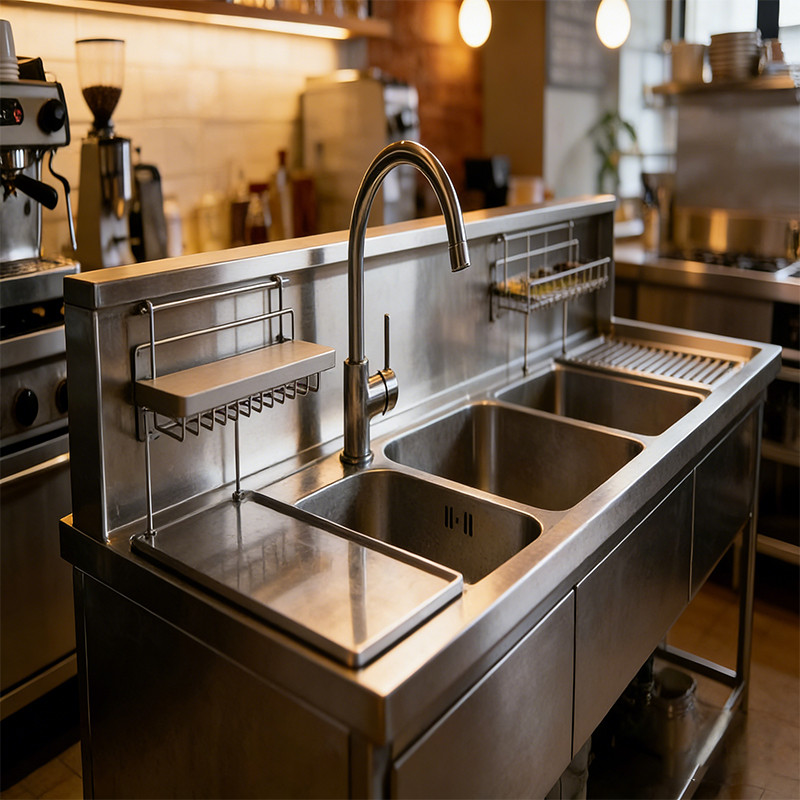
As someone navigating the world of commercial kitchens, I know how crucial it is to choose the right commercial sink. It's not just about washing dishes; it's about efficiency, hygiene, and meeting strict compliance standards. Selecting the perfect commercial sink for your establishment is a key decision that impacts workflow, cleanliness, and ultimately, your business's success. This guide aims to simplify that process for you, diving into the types, features, and considerations to ensure your choice boosts efficiency and guarantees compliance.
Key Takeaways
- Sink Type Matters: The number of compartments—from single to four-bay units—directly impacts your workflow. Health codes often mandate three-compartment sinks for a wash, rinse, and sanitize process. Specialized sinks like handwashing, prep, and bar sinks are essential for hygiene and efficiency.
- Material and Construction are Crucial: Stainless steel is the industry standard for its durability and resistance to corrosion. Opt for 304 or 316-grade stainless steel. Gauge indicates thickness; a lower gauge (like 16-gauge) means thicker, more durable steel suitable for heavy-duty use.
- Compliance is Non-Negotiable: YCompliance is Non-Negotiable: Your sink setup must adhere to local health codes, FDA guidelines, and ADA standards for accessibility. This includes specific requirements for three-compartment sinks, dedicated handwashing stations (separate from any 3 compartment sink with hand wash configuration), and proper installation heights.
- Design for Workflow: The sink's placement, size, and configuration should align with your kitchen's layout to create a seamless work triangle between the sink, stove, and refrigerator. Features like drainboards, high-arc faucets, and pre-rinse sprayers can significantly enhance productivity.
- Maintenance Extends Lifespan: Proper and regular cleaning is vital for hygiene and longevity. Use non-abrasive cleaners, wipe in the direction of the steel's grain, and never let harsh chemicals or standing water sit on the surface.
Understanding the Different Types of Commercial Sinks for Efficiency and Compliance
In any commercial food service operation, sinks are a cornerstone of hygiene and workflow. They are more than just basins for washing; they are specialized tools designed for specific tasks that prevent cross-contamination and keep your kitchen running smoothly. From multi-compartment workhorses to dedicated handwashing stations, understanding each type is the first step toward building an efficient and compliant kitchen.
Compartment Sinks: The Core of Commercial Kitchen Operations
Compartment sinks are the central hub for manual warewashing and are a fundamental requirement in most foodservice establishments. The configuration you choose directly impacts your kitchen’s ability to handle high volumes and meet health standards.
Single, Two, and Three-Compartment Sinks
The number of compartments in a sink corresponds to different stages of the cleaning process and varies based on the kitchen's needs.
Single-Compartment Sinks: These are best suited for basic tasks like rinsing produce or filling pots. They are also a common choice for food trucks or smaller cafes with limited space. However, they are not permissible for the full wash-rinse-sanitize process required for dishwashing.
Two-Compartment Sinks: A step up, these sinks allow for separating tasks, such as washing in one basin and rinsing in another, or using one for food prep and the other for utility purposes. While more versatile than a single bowl, they still fall short of the health code requirements for manual dishwashing in most jurisdictions.
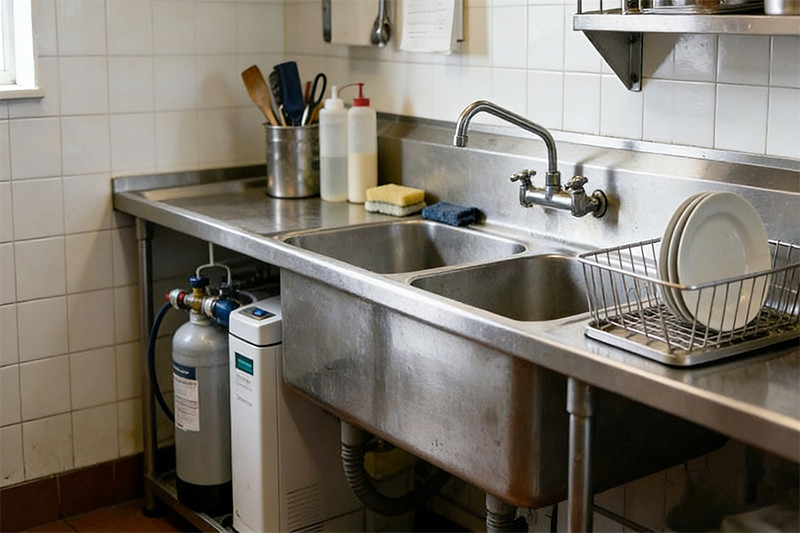
Three-Compartment Sinks: This is the industry standard and often a legal requirement for manual warewashing. The three basins facilitate the essential wash, rinse, and sanitize sequence mandated by the FDA and local health departments. This setup is critical for preventing cross-contamination and ensuring all utensils and equipment are properly sanitized before reuse. Each compartment must be large enough to fully immerse your largest pots and pans.
Four-Compartment Sinks for High-Volume Operations
For kitchens with a very high turnover of dishes and utensils, a four-compartment sink provides an even more streamlined process. The fourth basin is typically used as a pre-rinse station or for a soaking/scraping area before the washing begins. This addition helps to keep the water in the wash tank cleaner for longer and makes the entire cleaning process more efficient, especially when dealing with heavily soiled pots and pans. Some high-volume operations may even integrate a garbage disposal into this fourth compartment to manage food waste effectively.
Specialized Sinks for Specific Commercial Needs
Beyond washing dishes, commercial kitchens require a variety of specialized sinks to maintain hygiene and workflow efficiency. Health codes strictly mandate the separation of tasks to prevent cross-contamination, making these dedicated sinks non-negotiable.
Hand Washing Sinks: A Must for Hygiene
Dedicated handwashing sinks are a cornerstone of food safety. Health regulations require these sinks to be placed in convenient locations throughout the kitchen, including prep areas, cooking stations, and near restrooms, to encourage frequent use by staff. These sinks must only be used for washing hands and should be equipped with hot and cold running water, soap, and a hygienic hand-drying method like paper towels. Using a prep or dishwashing sink for handwashing is a serious health code violation as it can introduce harmful bacteria to food-contact surfaces.
Prep Sinks: Essential for Food Preparation Efficiency
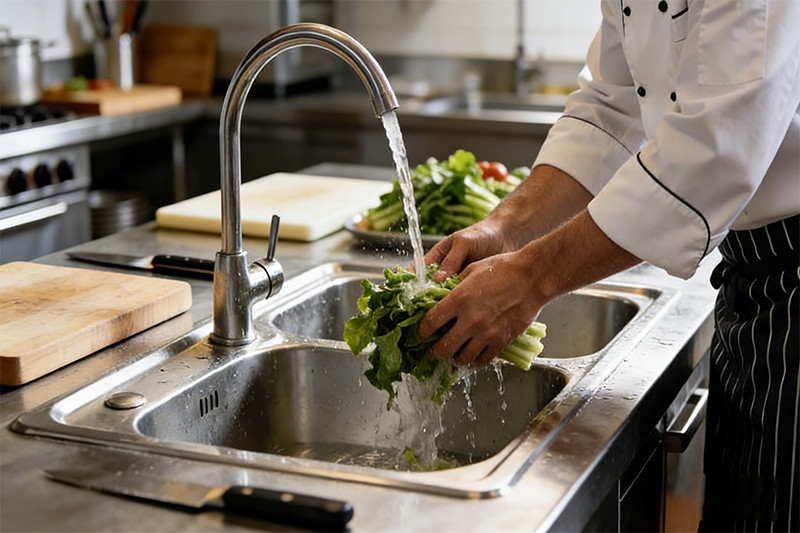
Prep sinks are used exclusively for washing fruits, vegetables, and other raw ingredients. Separating food preparation from other cleaning tasks is crucial to prevent raw meats from contaminating fresh produce. These sinks are often paired with cutting boards or drain racks to create an efficient food prep station. They can be single or double-compartment units, depending on the volume and variety of food being prepared.
Bar Sinks: Compact Solutions for Beverage Service
Designed for the unique needs of a bar environment, these sinks are typically smaller and more compact. They are often configured as three or four-compartment units to accommodate washing, rinsing, and sanitizing glassware, along with a separate basin for ice or handwashing. An underbar sink is a popular choice, fitting neatly under the counter to save space and streamline the bartender's workflow.
Mop and Utility Sinks: For Maintenance and Cleaning
Mop sinks, also known as janitorial or bucket sinks, are essential for filling and emptying mop buckets and cleaning other maintenance equipment. They are usually floor-mounted with a low profile and made from durable materials to withstand heavy use and harsh cleaning chemicals. Keeping these cleaning tasks separate from food-related areas is vital for preventing the spread of contaminants. A dedicated utility sink should never be used for handwashing or food prep.
Portable and Trough Sinks: Flexible Solutions
- Portable Sinks: These self-contained units are perfect for outdoor events, caterers, or temporary setups where permanent plumbing isn't available. They often include their own water supply and waste collection systems, providing a flexible solution for handwashing or other tasks.
- Trough Sinks: Ideal for high-traffic areas like restrooms or large staff changing rooms, trough sinks feature a long, continuous basin that can accommodate multiple users at once. This design is efficient for spaces where many people need to wash their hands simultaneously.
Key Features and Considerations for Choosing Your Commercial Sink
Selecting the right sink involves more than just picking a type; you must also consider the materials, dimensions, and installation style. These factors will determine the sink's longevity, its performance under pressure, and how well it integrates into your kitchen's overall design and workflow.
Material and Durability: Why Stainless Steel is King for Commercial Sinks
When it comes to commercial sinks, stainless steel is the undisputed champion. Its popularity stems from its incredible durability, resistance to corrosion and heat, and ease of cleaning, all of which are essential in a demanding kitchen environment. Unlike materials such as enamelled cast iron, which can chip or crack under heavy use, stainless steel is resilient enough to handle dropped pots, constant exposure to water, and aggressive cleaning agents.
The Importance of 304 and 316 Grade Stainless Steel
Not all stainless steel is created equal. The grade of the steel is a critical indicator of its quality and resistance to corrosion.
Type 304 Stainless Steel: This is the most common and widely used grade for commercial kitchen equipment. It contains 18% chromium and 8% nickel, which provides excellent resistance to rust and corrosion from most food acids and cleaning solutions. For the vast majority of restaurants and foodservice operations, 304-grade steel offers the perfect balance of durability and cost-effectiveness.
Type 316 Stainless Steel: This is a premium-grade steel that offers superior corrosion resistance. It contains molybdenum, an element that makes it exceptionally durable against chlorides (like salt) and harsh industrial cleaning solvents. While more expensive, 316-grade steel is the ideal choice for environments with high salt exposure, such as coastal areas, or for facilities like labs and hospitals that use aggressive chemicals.
Understanding Gauge: Thicker for Commercial Use
The gauge of stainless steel refers to its thickness. Counterintuitively, a lower gauge number means thicker steel.
- 16-Gauge: This is the recommended thickness for high-volume commercial kitchens. It's more robust, resistant to dents, and can withstand the constant abuse of a busy environment.
- 18-Gauge: A slightly thinner and more budget-friendly option, 18-gauge steel is suitable for lighter-duty applications such as hand sinks or prep sinks in less demanding settings.
- 20-Gauge or higher: Generally too thin for commercial use, these are more commonly found in residential sinks and will not hold up to the rigors of a professional kitchen.
The following table summarizes the recommended gauge for different applications:
| Gauge | Thickness (Approx.) | Recommended Use |
|---|---|---|
| 14-Gauge | 1.90 mm | Heavy-duty, custom fabrication, high-impact areas |
| 16-Gauge | 1.52 mm | High-volume kitchens, compartment sinks, pot wash areas |
| 18-Gauge | 1.21 mm | Hand sinks, prep sinks, light to medium-duty use |
| 20-Gauge | 0.91 mm | Not recommended for most commercial applications |
Size, Depth, and Configuration for Optimal Efficiency
The physical dimensions of your sink are just as important as its material. The right size ensures you can handle your largest kitchenware, while a well-thought-out configuration can dramatically improve your kitchen's workflow.
Matching Sink Dimensions to Your Operations
When selecting a sink, consider the volume of your operations and the size of your equipment. The sink bowls must be large enough to fully submerge your biggest pots, pans, and sheet pans for proper washing and sanitizing. A deep basin, typically 12 to 14 inches, is preferred for commercial sinks as it helps reduce splashing and can accommodate large items with ease.
Drainboards and Their Role in Workflow
Drainboards are an invaluable feature on a commercial sink, providing a dedicated space for air-drying dishes and utensils. This is crucial, as health codes often require items to be air-dried to prevent re-contamination from towels. Drainboards also help prevent water from splashing onto the floor, reducing slip hazards. They can be located on the left, right, or both sides of the sink compartments, and your choice should align with the natural flow of your dishwashing process (from dirty to clean).
Mounting Types: Finding the Right Fit for Your Commercial Space
How a sink is installed can affect everything from cleaning routines to available floor space. The three main mounting types each offer distinct advantages.
- Freestanding Sinks: This is the most common type for multi-compartment sinks. They rest on four legs, are easy to install, and offer excellent stability, often with cross-bracing to prevent wobbling. This design allows for easy cleaning around and underneath the unit.
- Wall-Mount Sinks: Ideal for handwashing stations and tight spaces, wall-mounted sinks attach directly to the wall, leaving the floor clear for easy mopping. It's crucial to ensure the wall is properly reinforced to support the sink's weight.
- Drop-In/Top-Mount Sinks: These sinks are "dropped into" a pre-cut hole in a countertop, with the rim resting on top. This style is often associated with a traditional commercial look and is common in custom layouts. Undermount sinks, which sit below the counter, offer a seamless look but are less common for heavy-duty commercial compartment sinks.
Ensuring Compliance and Maximizing Efficiency with Your Commercial Sink
Installing the right commercial sink is only half the battle. To truly benefit, you must ensure it complies with all relevant health codes and is integrated into your kitchen in a way that maximizes workflow and ergonomics.
Navigating Health Codes and Regulations for Commercial Sinks
Compliance is not optional in the foodservice industry. Health codes are in place to ensure public safety, and your sink setup is one of the most scrutinized areas during an inspection.
The Three-Compartment Sink Requirement
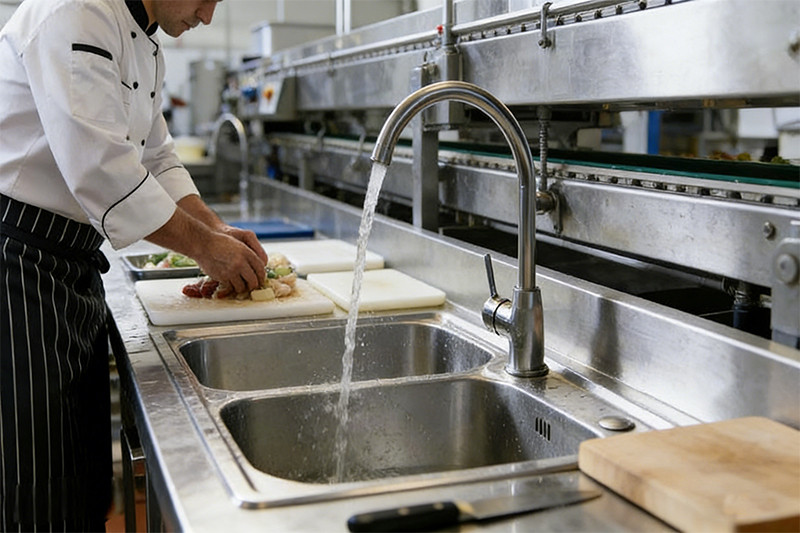
For any establishment that manually washes dishes, the three-compartment sink is a fundamental requirement set by the FDA Food Code and enforced by local health departments. The process is clear:
- Wash: In the first compartment, with hot water (at least 110°F) and detergent.
- Rinse: In the second compartment, with clean, hot water to remove soap residue.
- Sanitize: In the third compartment, either with hot water at 171°F or higher, or a chemical sanitizing solution mixed to the proper concentration.
Each sink should be clearly labeled to avoid confusion, and nothing other than dishwashing is permitted in these sinks—no handwashing, no food prep, and no dumping mop water. A 3 compartment sink with hand wash combined in the same unit is generally not compliant for most health codes, as it risks cross-contamination.
Handwashing Sink Standards for Food Safety
Health codes are extremely strict about handwashing. A dedicated handwashing sink must be available in all food preparation, food dispensing, and warewashing areas. These stations must provide water at a suitable temperature (often between 100°F and 120°F), soap, a trash receptacle, and a proper hand-drying device. They cannot be blocked or used for any other purpose.
ADA Compliance for Accessibility
The Americans with Disabilities Act (ADA) sets standards to ensure that sinks in public or employee areas are accessible to individuals with disabilities. This includes requirements for knee and toe clearance under the sink for wheelchair users, specific reach ranges for faucets, and controls that can be operated with one hand without tight grasping.
Optimizing Workflow and Ergonomics Around Your Commercial Sink
A compliant sink that is poorly placed can create bottlenecks and slow down your entire operation. Strategic placement and the right accessories are key to an efficient kitchen.
Strategic Placement for Seamless Operations
The concept of the "kitchen work triangle" places the sink, refrigerator, and stove as the three main points of activity. The goal is to minimize the steps taken between these three stations. Placing the sink centrally, or in a way that supports a logical flow from prep to cooking to cleaning, is essential. For dishwashing, position the sink so there is a clear path from the dining area for dirty dishes and another clear path to storage for clean dishes.
Accessories and Faucets to Enhance Functionality
The right accessories can turn a standard sink into a high-efficiency workstation.
Faucets: Choosing the right faucet is crucial.
- Pre-Rinse Faucets: These high-pressure sprayers are invaluable for blasting food residue off dishes before washing, saving time and keeping the wash water cleaner.
- Gooseneck Faucets: Their high arc provides ample clearance for filling large pots and buckets.
- Swing Spouts: Essential for multi-compartment sinks, these faucets can swing from side to side to serve more than one basin.
- Hands-Free Faucets: Often operated by a foot pedal, knee valve, or electronic sensor, these are ideal for handwashing sinks to reduce cross-contamination.
Other Accessories:
- Sink Grids: Protective grids for the bottom of the sink can help prevent scratches on the stainless steel surface.
- Garbage Disposals: Integrating a commercial-grade garbage disposal, often in a pre-rinse or scrap sink, can streamline waste management.
Maintenance Tips for Longevity and Hygiene of Your Commercial Sink
Proper maintenance is essential to protect your investment and maintain a sanitary environment. Stainless steel is durable but not indestructible.
- Daily Cleaning: Rinse and wipe down the sink daily with a soft cloth and a mild detergent. Always clean in the direction of the steel's grain to avoid micro-scratches.
- Avoid Harsh Chemicals: Never use abrasive cleaners, steel wool, or chlorine-based products like bleach, as they can damage the protective layer of the stainless steel and lead to corrosion.
- Don't Let Items Sit: Remove wet sponges, cloths, and acidic or salty food items from the sink promptly, as prolonged contact can cause staining or pitting.
- Passivation: Periodically, you may need to "passivate" the steel, a process that involves using a specific solution to restore the protective chromium-oxide layer, especially if it has been scratched or exposed to corrosive elements.
- Regular Inspections: Check drains for clogs and inspect plumbing fittings for leaks to address minor issues before they become major problems.
Custom Commercial Sinks: Tailoring Solutions for Unique Requirements
While standard sinks meet the needs of many kitchens, some spaces have unique layouts, specific workflow demands, or unusual dimensions that require a custom solution. Custom stainless steel fabrication allows you to design a sink that is perfectly tailored to your operational needs.
The Benefits of Custom Stainless Steel Sinks for Any Space
A custom-fabricated sink offers unparalleled flexibility. It can be built to fit into an awkward corner, incorporate an unusual number of compartments, or integrate seamlessly with existing workbenches and countertops. This ensures that every inch of your kitchen is used effectively.
Adapting to Layouts and Enhancing Hygiene Standards
Customization allows for a design that perfectly matches your kitchen's workflow, eliminating wasted steps and awkward movements. Features like integrated backsplashes, coved corners (rounded edges where surfaces meet), and seamless welds can be specified. These design elements eliminate crevices where bacteria can grow, making the sink easier to clean and significantly enhancing overall hygiene.
Who Benefits from Custom Commercial Sinks?
While any business can benefit from a sink designed for its specific needs, certain sectors find them particularly advantageous:
- High-Volume Restaurants: Kitchens with unconventional layouts or those needing a specific workflow to handle massive output.
- Food Processing Plants: Facilities that require large, specially configured sinks for washing and processing ingredients on an industrial scale.
- Laboratories and Healthcare Facilities: Environments with stringent hygiene requirements and the need for sinks made from highly corrosion-resistant materials like 316-grade stainless steel to handle harsh chemicals.
- Unique Architectural Spaces: Businesses operating in historic buildings or unusually shaped rooms where standard equipment simply won't fit.
Frequently Asked Questions (FAQ)
Q1: What is the most important factor when choosing a commercial sink? A: Compliance with local health codes is the most critical factor. This often dictates the need for a three-compartment sink for warewashing and separate, dedicated sinks for handwashing and food preparation.
Q2: Why is the gauge of stainless steel important? A: The gauge indicates the thickness of the steel; a lower number means thicker, more durable metal. For a busy commercial environment, a lower gauge (like 16-gauge) is recommended because it resists dents and damage better than a higher gauge (like 20-gauge).
Q3: Can I wash my hands in a three-compartment sink? A: A three-compartment sink is exclusively for the wash, rinse, and sanitize process of dishes and utensils. Health codes strictly prohibit handwashing in these sinks to prevent cross-contamination—you must never use a 3 compartment sink with hand wash setup that shares basins or compromises separation. You must use a dedicated handwashing sink.
Q4: What is the difference between 304 and 316 stainless steel? A: Both are high-quality grades, but Type 316 contains molybdenum, which gives it superior resistance to corrosion from salt and harsh chemicals. Type 304 is sufficient for most kitchens, while Type 316 is recommended for coastal locations or facilities that use aggressive cleaning agents.
Q5: What faucet is best for a three-compartment sink? A: A faucet with a long, swinging spout is essential to reach all three compartments. Pairing this with a pre-rinse sprayer is highly effective, as it allows you to blast food debris from dishes before they enter the wash basin, improving efficiency and water quality.
Choosing the right commercial sink is a critical investment in your business's operational efficiency, hygiene, and regulatory compliance. By carefully considering the types, materials, features, and customization options available, I believe you can make an informed decision that will serve your establishment well for years to come. My goal is to help you streamline your kitchen operations and ensure you're fully compliant with all health and safety standards. With the right commercial sink, you're not just buying a piece of equipment; you're investing in the smooth, safe, and efficient future of your business.