How Mop Sink Manufacturers Optimize Facilities with Customizable, Space-Saving Designs: Best Practices Explained
- Share
- Issue Time
- Jan 14,2026
Summary
Mop sinks are essential for maintaining hygiene, streamlining cleaning processes, and ensuring compliance with health codes in commercial and public facilities. Customizable and space-saving designs from specialized manufacturers are revolutionizing facility optimization. This includes preventing cross-contamination by providing a dedicated station for disposing of dirty water and chemicals, which is crucial for public health and avoiding regulatory fines. Mop sinks also boost operational effici
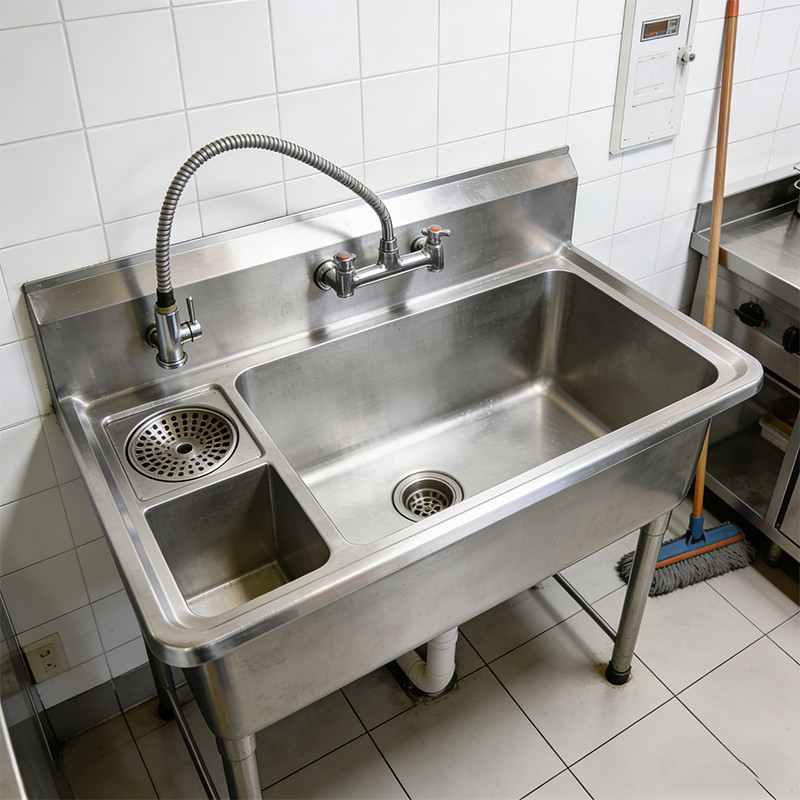
As facilities managers and business owners, we understand the critical role that efficiency and hygiene play in our operations. One often-overlooked yet incredibly essential fixture is the mop sink. It's more than just a basin; it's a dedicated sanitation station that helps maintain cleanliness, streamlines cleaning processes, and ensures facilities meet health code standards.
In this blog post, we'll explore how mop sink manufacturers offering customizable and space-saving designs are revolutionizing facility optimization. We'll delve into the best practices that ensure you're choosing the right mop sink to meet your facility's unique needs, enhance operational efficiency, and even contribute to a more ergonomic workspace.
Join us as we uncover the innovative ways these specialized manufacturers are helping businesses achieve cleaner, safer, and more productive environments.
Key Takeaways
- Hygiene and Compliance are Paramount: A dedicated mop sink is essential for preventing cross-contamination by ensuring the proper disposal of dirty water and harsh chemicals. It is a fundamental requirement for meeting local and state health codes, thereby avoiding fines and protecting public health.
- Efficiency is a Major Benefit: Mop sinks create a centralized station for all cleaning activities, which significantly streamlines the workflow for janitorial staff. They are specifically designed to handle solids and debris that would otherwise clog standard plumbing, saving businesses from costly repairs.
- Material Choice Dictates Durability: Stainless steel is the industry standard for mop sinks due to its exceptional resistance to corrosion, rust, and physical damage. Other materials like molded stone and terrazzo offer aesthetic variety and high durability for specific applications, though they may require different maintenance protocols.
- Space-Saving Designs Maximize Utility: In modern facilities where space is a premium, innovative designs are crucial. Wall-mounted sinks free up valuable floor space, corner units utilize awkward layouts effectively, and drop-front models improve ergonomics by reducing the strain of lifting heavy mop buckets.
- Customization Unlocks Peak Performance: Leading manufacturers offer extensive customization options. This allows facilities to tailor sink dimensions, drain locations, and shapes to fit perfectly within unique or challenging spaces. Integrating features like faucets, storage cabinets, and backsplashes can create a comprehensive, all-in-one cleaning station.
- Ergonomics and Workflow Matter: The design and placement of a mop sink directly impact staff well-being and efficiency. A properly designed sink area with an appropriate height and depth can reduce physical strain, minimize the risk of workplace injuries, and create a more logical and productive cleaning process.
- Proper Installation and Maintenance Ensure Longevity: To realize the full value of a high-quality mop sink, professional installation is non-negotiable. This ensures correct plumbing and drainage. Furthermore, a routine maintenance schedule involving regular cleaning and inspection of strainers is vital for preventing clogs and extending the lifespan of the sink.
The Indispensable Role of Mop Sinks and Why Mop Sink Manufacturers for Customizable and Space-Saving Designs are Key
In any commercial or public facility, from bustling restaurants and hospitals to schools and office buildings, cleanliness is non-negotiable. While much attention is given to cleaning agents and techniques, the humble mop sink often remains in the shadows. However, this essential fixture is a cornerstone of any effective sanitation program. It serves as the command center for cleaning operations, providing a dedicated space that is critical for maintaining hygiene, ensuring regulatory compliance, and boosting the overall efficiency of janitorial staff. Forward-thinking manufacturers who specialize in customizable and space-saving designs are elevating this role, transforming the janitor's closet into a highly optimized and ergonomic workspace.
Beyond Basic Functionality: Hygiene and Compliance
A mop sink, also known as a janitorial sink or utility basin, is far more than a simple drain. Its primary purpose is to provide a safe and contained area for the disposal of contaminated water and the filling and emptying of mop buckets. This separation from sinks used for food preparation or handwashing is a fundamental principle of hygiene management.
Ensuring proper disposal of dirty water and chemicals to prevent cross-contamination.
The most significant risk in any cleaning process is cross-contamination—the unintentional transfer of bacteria, viruses, and other pathogens from one surface to another. Disposing of soiled water in a standard toilet or a food-prep sink is a major violation of hygiene protocol and can lead to the aerosolization of germs and the contamination of other surfaces. A dedicated mop sink is specifically designed to handle wastewater laden with dirt, grime, and potent cleaning chemicals. Its deep basin minimizes splashing, ensuring that contaminated liquids are contained and funneled directly into the drainage system, which is built to withstand harsh substances over the long term. This proper disposal is a critical step in breaking the chain of infection and maintaining a genuinely clean environment.
Meeting state and local health code requirements to avoid fines and ensure public safety.
Health inspectors across the United States place significant emphasis on the separation of janitorial and sanitation functions. Health codes, such as those outlined by local public health departments and guided by bodies like the FDA, often mandate the presence of a dedicated utility sink for cleaning activities. For instance, regulations typically require that a mop sink be available for the disposal of mop water and for the cleaning of mops and other janitorial equipment. Failure to comply can result in severe penalties, including hefty fines, mandatory closures, and damage to a business's reputation. By installing a proper mop sink, facility managers are not just making a practical choice; they are upholding their legal and ethical responsibility to protect the health and safety of employees, customers, and the general public.
Enhancing Efficiency in Cleaning Operations
Beyond the critical hygiene benefits, a well-designed mop sink is a powerful tool for optimizing operational efficiency. When janitorial staff have a dedicated and properly equipped space to work, their processes become faster, more organized, and more effective.
Providing a dedicated space for cleaning tools, minimizing cleaning time.
An efficient cleaning workflow depends on having everything in its right place. A mop sink area serves as a natural hub for janitorial operations. It's the designated spot for filling buckets, wringing mops, and rinsing equipment. When manufacturers add custom features like integrated shelving for cleaning supplies or hooks for hanging tools, this efficiency is magnified. Staff no longer waste time searching for supplies or moving between different parts of a facility to complete their tasks. This centralization of the cleaning process can significantly reduce the time spent on preparation and cleanup, allowing staff to focus more of their energy on the cleaning tasks themselves, ultimately leading to a higher standard of cleanliness in less time.
Protecting plumbing systems by preventing clogs from debris.
One of the most common—and costly—problems in facilities without a dedicated mop sink is plumbing damage. Standard sinks and toilets are not designed to handle the debris that is routinely collected during mopping, such as dirt, hair, food particles, and small bits of trash. This material can quickly accumulate in pipes, leading to severe clogs, backups, and expensive plumbing emergencies. Mop sinks, by contrast, are engineered specifically for this purpose. They feature larger drain openings and are often equipped with heavy-duty strainers or sediment traps that catch larger debris before it can enter the plumbing system. This preventative design protects the building's entire drainage infrastructure, saving thousands of dollars in potential repair costs and preventing the operational disruptions that come with a major plumbing failure.
Choosing the Right Mop Sink Manufacturers for Customizable and Space-Saving Designs: Key Considerations
Selecting the right mop sink is a strategic decision that impacts a facility's long-term maintenance costs, operational efficiency, and overall hygiene. The market offers a wide array of options, but partnering with a manufacturer that specializes in durable, customizable, and space-conscious designs provides the greatest advantage. Key considerations revolve around the material, design innovation, and the potential for customization.
Material Matters: Durability and Longevity
The material of a mop sink is the primary determinant of its lifespan and performance. Janitorial environments are harsh; sinks are constantly exposed to abrasive chemicals, heavy impacts from buckets, and a steady flow of gritty water. The right material must withstand this abuse day in and day out.
Stainless steel as a popular choice for its resistance to corrosion and heavy use.
Stainless steel is the undisputed leader in materials for commercial mop sinks, and for good reason. Its inherent properties make it uniquely suited for demanding environments:
- Corrosion Resistance: High-quality stainless steel alloys, particularly types 304 and 316, contain chromium, which forms a passive, non-reactive layer on the surface. This layer prevents rust and corrosion even when exposed to harsh disinfectants and chemicals.
- Durability: Stainless steel has excellent impact resistance, meaning it can withstand being struck by heavy mop buckets without cracking or chipping, unlike more brittle materials.
- Hygienic Surface: The non-porous nature of stainless steel means that bacteria, mold, and other microbes have nowhere to hide. It's easy to clean and sanitize, making it an ideal choice for healthcare and food service settings.
- Longevity: While the initial investment might be higher than some alternatives, a well-made stainless steel sink can last for decades, offering a superior return on investment.
Exploring other durable materials like molded stone and terrazzo for specific needs.
While stainless steel is a top contender, other materials offer unique benefits that may be better suited for specific applications:
- Molded Stone / Composite: These sinks are made from a mixture of crushed stone and polymer resins. They are incredibly robust, offering extreme resistance to chipping, scratches, and stains. They can be molded into various shapes and colors, providing some aesthetic flexibility.
- Terrazzo: A classic choice, terrazzo sinks are made by embedding marble, quartz, granite, or glass chips in a cement or epoxy binder. Each sink is unique, offering a high-end look. They are exceptionally heavy and durable, making them a permanent, long-lasting installation.
Material Comparison Table:
| Material | Pros | Cons | Best For |
|---|---|---|---|
| Stainless Steel | Highly resistant to corrosion and chemicals, hygienic, durable, relatively lightweight. | Can be dented by extreme impact, can show water spots if not wiped down. | Hospitals, restaurants, laboratories, high-traffic commercial facilities. |
| Molded Stone | Extremely resistant to impact and scratches, available in various colors, uniform appearance. | Can be heavy, may be susceptible to staining from certain potent chemicals if not cleaned promptly. | Schools, industrial sites, retail spaces where aesthetics and durability are both key. |
| Terrazzo | Aesthetically unique and high-end, extremely durable and long-lasting, highly resistant to heavy use. | Very heavy, installation is complex and permanent, higher initial cost. | High-end architectural buildings, public venues, institutions seeking a permanent fixture. |
Space-Saving Innovations from Mop Sink Manufacturers for Customizable and Space-Saving Designs
In many facilities, janitorial closets and utility rooms are small and oddly shaped. Maximizing every square inch is crucial. Innovative manufacturers have developed several space-saving designs to address this challenge directly.
Wall-mounted mop sinks for maximizing floor space in smaller facilities.
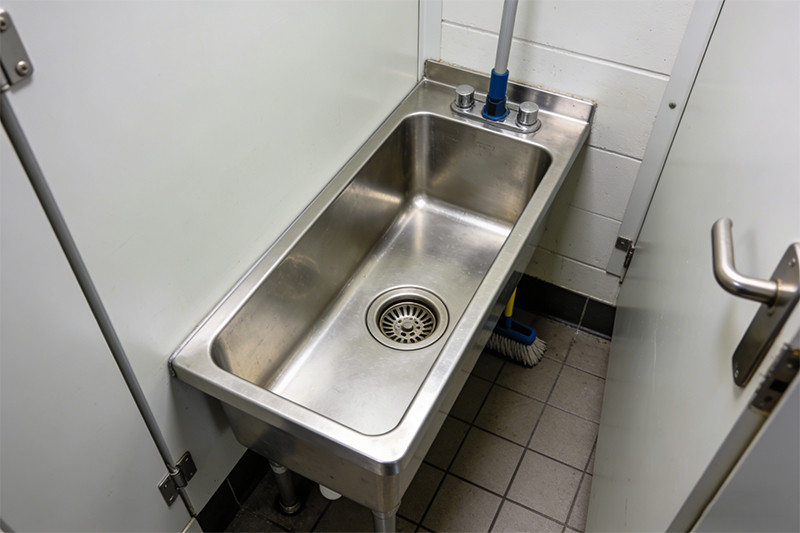
Traditional floor-mounted mop sinks occupy a significant footprint. Wall-mounted, or "floating," mop sinks are anchored directly to the wall, freeing up the floor space underneath. This clever design offers several advantages: it makes the floor much easier to clean, creates storage space for a bucket or cleaning caddy, and gives a small room a more open and less cluttered feel. It's an ideal solution for retrofitting older buildings or for new constructions with limited utility space.
Multi-compartment mop sinks for increased efficiency in high-volume tasks.
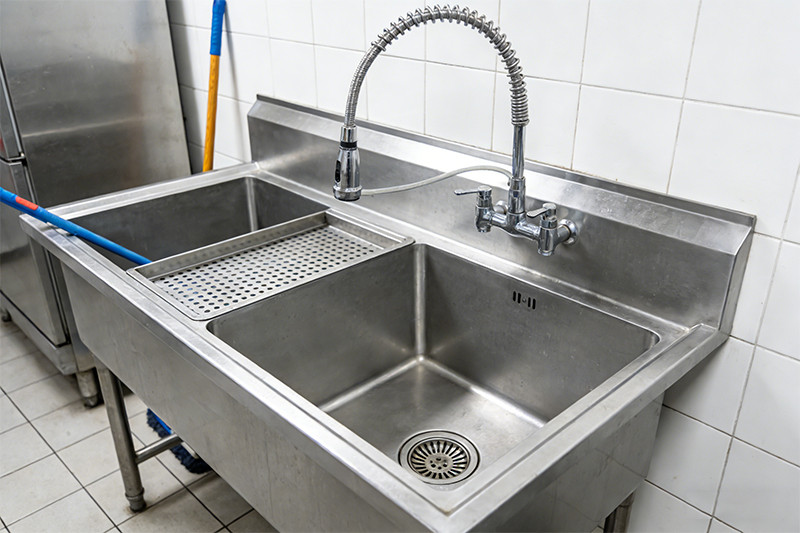
In large facilities like hospitals or event venues, cleaning staff may need to perform multiple tasks simultaneously. A multi-compartment sink can be a game-changer. For example, a two-compartment model allows staff to use one basin for disposing of dirty water and the other for filling buckets with fresh cleaning solution. This separation prevents cross-contamination and streamlines the workflow, eliminating the need to wait for a single basin to be emptied and rinsed.
Corner mop sinks and drop-front designs for easy access and bucket dumping.
Awkward corner spaces that might otherwise go unused can be made highly functional with a corner-mounted mop sink. These sinks have a triangular or five-sided shape that fits snugly into a 90-degree corner, making excellent use of the available layout. Another key innovation is the drop-front or lowered-front-edge design. This feature significantly reduces the height one has to lift a heavy, water-filled bucket to empty it. This ergonomic improvement is critical for reducing physical strain on staff and minimizing the risk of back injuries.
The Power of Customization from Mop Sink Manufacturers for Customizable and Space-Saving Designs
No two facilities are exactly alike. Off-the-shelf solutions may not always fit the unique layout or workflow of a specific building. This is where partnering with a manufacturer specializing in customization becomes invaluable. Customization allows a facility to get a mop sink that functions as if it were designed for the space from the very beginning.
Tailoring sink dimensions, shapes, and drain locations to fit unique facility layouts.
Standard sink sizes may not fit into a narrow closet or an irregularly shaped alcove. A custom manufacturer can build a sink to precise dimensions—whether it needs to be extra-long and narrow or have a specific angled cut to fit around a column. Furthermore, the drain location can be specified to align with existing plumbing rough-ins, saving significant time and money during installation by avoiding the need to re-pipe the floor or wall.
Adding integrated features like backsplashes, storage cabinets, and service faucets.
Customization extends beyond basic dimensions. Manufacturers can create a fully integrated cleaning station by adding a variety of features:
- High Backsplashes and Side Splashes: These protect surrounding walls from water damage and chemical splashes, reducing maintenance and improving hygiene.
- Integrated Storage: Cabinets or shelves can be built directly into the sink unit, providing a designated space for chemicals, sponges, and other supplies.
- Service Faucets: Sinks can be equipped with specialized faucets, such as wall-mounted braces for connecting hoses or swing-spout faucets that can be moved out of the way, making it easier to maneuver large buckets.
- Built-in Strainers and Guards: Heavy-duty sediment strainers and splash guards can be integrated directly into the design for enhanced performance and safety.
By leveraging these custom options, a facility can transform a simple utility sink into a high-performance, ergonomic, and perfectly integrated component of its maintenance infrastructure.
Best Practices for Implementing Solutions from Mop Sink Manufacturers for Customizable and Space-Saving Designs
Acquiring a high-quality, customized mop sink is the first step. To truly unlock its full potential, facilities must focus on proper implementation. This involves thoughtfully designing the surrounding workspace to optimize workflow and ergonomics, as well as committing to professional installation and a consistent maintenance routine to ensure long-term value and performance.
Optimizing Workflow and Ergonomics for Staff Well-being
A mop sink does not exist in a vacuum; it is the centerpiece of the janitorial workspace. How that space is arranged has a direct impact on the health, safety, and efficiency of the cleaning staff. An ergonomic approach is not a luxury—it's a critical component of responsible facility management.
Designing the sink area to facilitate proper workflow and reduce physical strain.
An efficient workflow follows a logical sequence. Consider the typical cleaning process: gathering supplies, preparing cleaning solutions, performing the cleaning task, and finally, cleaning and storing the equipment. The area around the mop sink should support this flow seamlessly.
- Storage: Shelving for chemicals and supplies should be located adjacent to the sink, within easy reach, to minimize unnecessary steps.
- Preparation: There should be adequate clearance around the sink to easily maneuver mop buckets.
- Disposal: The path to the sink for emptying buckets should be clear and unobstructed.
- Cleaning & Storage: Wall-mounted hooks for hanging mops and brooms to dry properly should be installed nearby. This prevents mold growth and prolongs the life of the tools.
By mapping out this process, you can create a highly efficient "work triangle" within the janitor's closet that reduces wasted motion and saves valuable time.
Considering sink height and depth to prevent back injuries and ensure easy access.
Ergonomics plays a crucial role in preventing workplace injuries, which are a major concern in physically demanding jobs like janitorial services. The design of the mop sink itself is a key factor.
- Sink Height: A floor-mounted sink with a low basin forces staff to bend over repeatedly, placing significant strain on the lower back. A custom wall-mounted sink can be installed at an optimal ergonomic height. Even better, a model with a "drop-front" design dramatically lowers the front lip, reducing the lift height required to empty a heavy bucket of water. According to occupational safety guidelines, reducing lifting height and frequency is a key strategy for preventing musculoskeletal disorders.
- Basin Depth: A basin that is too deep can also cause strain when reaching to the bottom to clean it or retrieve a dropped item. A moderately deep basin (e.g., 10-12 inches) is often sufficient to prevent splashing without creating an ergonomic hazard.
Investing in an ergonomically designed sink area is an investment in your staff's health, leading to fewer injuries, reduced absenteeism, and higher morale.
Installation and Maintenance for Long-Term Value
A top-of-the-line mop sink will only perform as well as its installation and upkeep allow. Shortcuts in these areas can negate the benefits of a quality product and lead to costly problems down the road.
Ensuring proper plumbing and drainage connections for efficient water disposal.
Professional installation is non-negotiable. An experienced plumber will ensure that the sink is securely mounted and that all connections are sound. Key considerations include:
- Drainage Line: The drain pipe for a mop sink should be adequately sized (typically a 3-inch drain is recommended) to handle the high volume of water and potential debris without clogging.
- Venting: Proper plumbing vents are essential to allow the drain to flow freely and prevent siphoning of the P-trap, which could allow sewer gases to enter the facility.
- Water Supply: The hot and cold water lines must be correctly installed with shut-off valves for easy maintenance. The faucet should be robust and capable of withstanding heavy commercial use.
Correct installation from the outset prevents slow drains, leaks, backups, and foul odors, ensuring the sink functions efficiently and hygienically for its entire lifespan.
Implementing regular cleaning and strainer maintenance to prevent clogs and extend sink life.
Just like any other piece of equipment, a mop sink requires routine maintenance to stay in optimal condition. A simple, consistent maintenance schedule is key.
Recommended Mop Sink Maintenance Checklist:
| Frequency | Task | Purpose |
|---|---|---|
| Daily | 1. Rinse the basin thoroughly after the last use. 2. Clear any visible debris from the strainer. |
Prevents buildup of grime and dirt. Ensures the strainer is ready for the next use and prevents immediate blockages. |
| Weekly | 1. Scrub the entire sink basin with a mild-to-moderate, non-abrasive cleaner (use appropriate cleaners for the material, e.g., specialized stainless steel cleaner). 2. Remove the strainer basket and clean it thoroughly, removing all trapped hair and debris. |
Removes stubborn stains, sanitizes the surface, and prevents mold/mildew growth. Prevents accumulation in the trap that leads to slow drains and clogs. |
| Monthly | 1. Inspect the faucet and plumbing connections for any signs of leaks or drips. 2. Pour a mixture of hot water and baking soda/vinegar down the drain (or use an approved enzymatic drain cleaner). |
Catches small problems before they become large ones. Helps to break down organic buildup and keep the drain flowing smoothly. |
This proactive approach to maintenance not only extends the life of the sink but also ensures it remains a hygienic and fully functional asset for the facility.
Frequently Asked Questions (FAQs)
Q: What is the best material for a mop sink in a busy restaurant kitchen?
A: For a high-traffic environment like a restaurant kitchen, stainless steel is unequivocally the best choice. Its superior hygienic properties are the number one reason. A stainless steel surface is non-porous, meaning it won't harbor bacteria, odors, or stains from food spills or harsh cleaning chemicals, which is a critical feature for passing health inspections. Secondly, its durability is unmatched in this setting. Restaurant kitchens are fast-paced, and the mop sink will inevitably be subject to impacts from heavy buckets, carts, and other equipment. Stainless steel can withstand this abuse without cracking or chipping, unlike more brittle materials. Finally, its resistance to corrosion from both water and the aggressive degreasers and sanitizers used in food service ensures a long, reliable service life. While other materials exist, none offer the same optimal balance of hygiene, durability, and chemical resistance required for a restaurant environment.
Q: How high should a mop sink be installed for good ergonomics?
A: The ideal installation height for a mop sink depends on the specific design of the sink. The primary ergonomic goal is to minimize the lifting height required to empty a full, heavy mop bucket, which can weigh up to 40-50 pounds.
- For sinks with a "drop-front" or lowered front edge, the top of that front lip should ideally be no more than 20-24 inches from the floor. This allows staff to tip the bucket with minimal lifting, primarily using leverage rather than back strength.
- For standard floor-mounted or wall-mounted sinks with a uniform rim height, the rim should generally be between 24 and 28 inches off the ground. While higher than a drop-front model, this is still a manageable height that reduces the need for deep bending. Ultimately, consulting with an ergonomics expert or using guidelines from bodies like OSHA can help determine the perfect height for your specific staff and equipment, but the key principle is always to make the lifting and dumping motion as easy and low-impact as possible to prevent long-term strain and injury.
Q: Do I really need a custom mop sink, or is a standard one enough?
A: Whether you need a custom mop sink depends entirely on your facility's specific constraints and goals. A standard, off-the-shelf mop sink is often sufficient for new constructions with dedicated, well-proportioned janitorial closets. However, a custom sink becomes a necessity or a significant value-add in several scenarios:
- Challenging Spaces: If you are retrofitting an older building or have a small, oddly shaped utility room, a custom sink built to exact dimensions may be the only way to make the space functional.
- Workflow Optimization: If you want to create a truly integrated sanitation station, customization is key. Adding built-in backsplashes, side guards, shelves for chemical storage, or specialized faucets turns a simple sink into a comprehensive work zone, drastically improving efficiency.
- Plumbing Alignment: In existing buildings, plumbing drains may be in fixed, inconvenient locations. A custom mop sink can be manufactured with the drain placed precisely where it needs to be, saving you a tremendous amount on plumbing costs associated with moving pipes. If your space is straightforward and your needs are basic, a standard model may work. But if you face spatial challenges or are aiming for peak operational efficiency, the investment in a custom solution often pays for itself through improved workflow, better space utilization, and lower installation costs.
Q: What are the main health codes related to mop sinks?
A: Health codes vary by state and municipality, but they generally follow a common set of principles derived from FDA Food Code guidelines and public health best practices. The main requirements related to mop sinks include:
- Mandatory Presence: Most codes mandate that any establishment involved in food service or public accommodation (like hotels and hospitals) must have at least one dedicated service sink or curbed cleaning facility for cleaning mops and disposing of wastewater.
- Separation of Functions: It is strictly forbidden to use sinks designated for food preparation, dishwashing, or handwashing for janitorial purposes. The mop sink must be a separate, distinct fixture.
- Proper Location: The sink should be located in a position where it does not create a contamination risk to food, clean linens, or sterile supplies. It is typically required to be in a dedicated janitor's closet or a service area away from guest or food-prep zones.
- Hot and Cold Water: The mop sink must be supplied with both hot and cold running water through a mixing faucet to allow for effective cleaning.
- Proper Drainage: The sink must be properly connected to a sanitary sewer drainage system, and the plumbing must be installed to code to prevent backups and the escape of sewer gases. Failing to meet these codes can result in significant fines, failed inspections, and even temporary closure of the business.
By strategically partnering with mop sink manufacturers who specialize in customizable and space-saving designs, businesses can transform their cleaning operations from a necessary chore into a highly efficient, hygienic, and ergonomically sound process. The right mop sink contributes significantly to overall facility management best practices.
We've seen that the investment in a well-chosen and properly maintained mop sink, especially those offering customization and space-saving features, is an investment in the overall cleanliness, regulatory compliance, and operational efficiency of your business. This choice directly impacts staff well-being, protects building infrastructure, and upholds public health standards.
Let's continue to prioritize these essential components of facility infrastructure. By doing so, we commit to ensuring a cleaner, safer, and more productive environment for everyone who walks through our doors.