How to Choose the Best Double Stainless Steel Sink with Drainboard for Your Kitchen
- Share
- Issue Time
- Aug 20,2026
Summary
This comprehensive guide assists homeowners in selecting the ideal double stainless steel sink with an integrated drainboard, highlighting its critical role in kitchen functionality and aesthetics. The article underscores how this specific configuration can substantially improve daily kitchen tasks and overall user satisfaction. Key benefits include the multitasking efficiency of a double-bowl design, which allows for simultaneous activities like soaking dishes and rinsing produce, thereby also
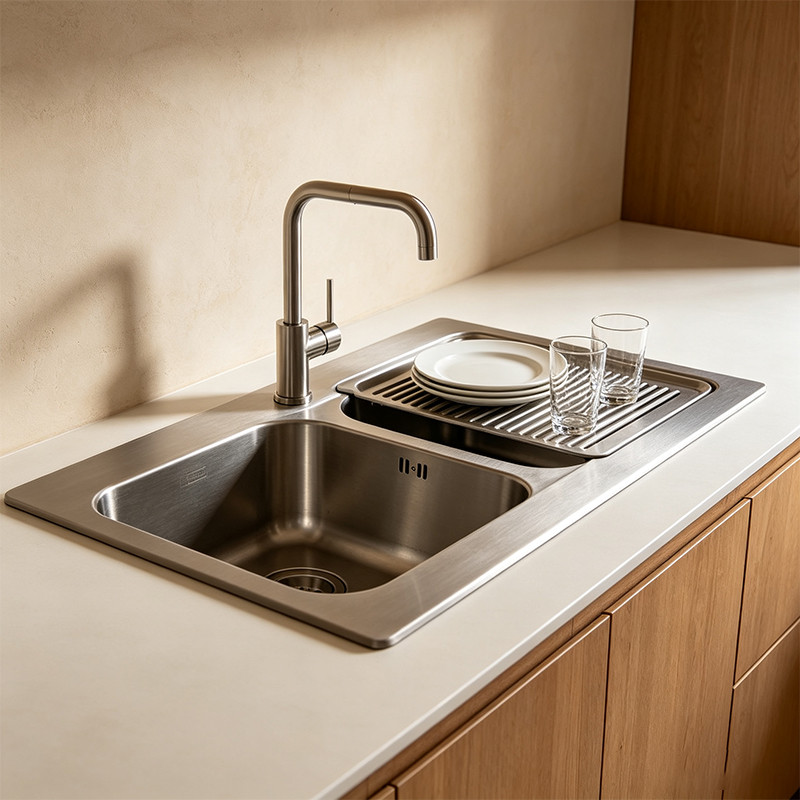
Choosing the perfect kitchen sink is a crucial decision for any homeowner. It’s a central hub for daily activities and, unlike other appliances, it’s not something we replace often. A well-chosen sink can significantly enhance your kitchen's workflow, aesthetics, and overall enjoyment for years to come.
Today, I'm here to guide you through selecting the ideal double stainless steel sink with drainboard, a versatile and practical option that can elevate your kitchen’s functionality to a professional level. This configuration is a favorite among home chefs and busy families for good reason. I'll help you explore why this specific sink might be the best fit for your home and how to make an informed choice, breaking down every factor from material quality to installation style.
Key Takeaways
Choosing the right double stainless steel sink with a drainboard is a multi-faceted decision that balances functionality, durability, and aesthetics. For busy homeowners and passionate cooks, understanding the key variables is essential to investing in a fixture that will serve you well for decades. This section distills the most critical points from our comprehensive guide to help you make a quick but informed decision.
Embrace the Power of Multitasking: The primary advantage of a double bowl sink is its ability to handle multiple tasks simultaneously. You can soak dirty dishes in one bowl while rinsing fresh vegetables in the other, creating a highly efficient workflow. This separation is also more hygienic, preventing cross-contamination between raw foods and dirty dishes. When evaluating options, consider how you typically work in the kitchen. Do you often hand-wash delicate items? Do you need a dedicated space for food prep? The double bowl design inherently supports these divided tasks.
Don't Underestimate the Drainboard: An integrated drainboard is more than just a drying rack; it's a strategic extension of your workspace. It protects your expensive countertops—whether they are quartz, granite, or butcher block—from water damage, puddles, and mineral deposits. It provides a clean, sloped surface for air-drying everything from pots and pans to delicate wine glasses, freeing up counter space that would otherwise be occupied by a separate drying rack. This feature is invaluable in kitchens of all sizes, but it's a true game-changer in smaller layouts where every inch of counter space counts.
Material Quality is Non-Negotiable: When it comes to stainless steel, not all sinks are created equal. The two most important factors to consider are gauge and grade.
- Gauge: This refers to the thickness of the steel. Counterintuitively, a lower gauge number means thicker steel. For a durable, long-lasting residential sink, look for 16 to 18-gauge steel. Thicker steel is more resistant to denting and bowing, and it also helps dampen noise from water and clanging dishes.
- Grade: The most common and recommended grade for kitchen sinks is 304 stainless steel. It contains an 18/8 mix of chromium and nickel, which gives it excellent resistance to rust and corrosion. This is the industry standard for quality and longevity.
Design Features Dictate Daily Use: Beyond the basic configuration, specific design elements will significantly impact the sink's usability.
- Low-Divide vs. Full-Divide: A traditional full-height divider offers complete separation, which is great for hygiene. However, a low-divide sink provides the best of both worlds: you get the separation of a double bowl with the ability to wash large items like baking sheets and stockpots by laying them across the divider.
- Depth and Dimensions: A deeper sink (9-10 inches) can hide dirty dishes and reduce splashing, but it might cause back strain for taller users. Consider your own height and physical comfort. Ensure the overall sink dimensions fit your cabinet base, leaving adequate room for installation and plumbing.
- Mounting Style: Top-mount (drop-in) sinks are easier and cheaper to install, while undermount sinks offer a seamless, modern look and make it incredibly easy to wipe countertop debris directly into the sink.
By focusing on these core pillars—multitasking capability, the utility of a drainboard, material quality, and user-centric design features—you can confidently select a double stainless steel sink that not only looks great but also transforms your kitchen into a more functional and enjoyable space.
Unpacking the Versatility and Practicality of a Double Stainless Steel Sink with Drainboard
A kitchen sink isn't just a place to wash dishes; it's the epicenter of food preparation, cleaning, and daily household chores. A double stainless steel sink with an integrated drainboard stands out as a uniquely functional and robust solution, merging three powerful features into one cohesive unit. Let's delve into why this combination is so highly regarded.
Why I See the Double Basin as a Kitchen Workhorse
The standout benefit of a double basin sink is its incredible capacity for multitasking. This design splits the sink into two separate compartments, which can be of equal or unequal size, allowing you to perform two different tasks at the same time. Imagine this common scenario: one basin is filled with soapy water for soaking stubborn, caked-on pots and pans, while the other remains free for rinsing fresh vegetables, washing your hands, or filling a pot with water. This separation creates a more organized, efficient, and hygienic workflow.
For those who enjoy cooking, this division is a significant advantage. You can safely handle and wash raw meat or poultry in one basin without fear of cross-contaminating the fresh salad greens you're rinsing in the other. This dedicated space for food preparation versus cleanup minimizes the risk of spreading bacteria and promotes better food safety habits in your home. Furthermore, many users find it streamlines the entire dishwashing process; you can wash in one bowl and place rinsed items in the other, ready for the drainboard. This methodical approach prevents clutter and keeps your kitchen activities neatly compartmentalized.
The Unbeatable Convenience of an Integrated Drainboard
An integrated drainboard takes the functionality of a kitchen sink to the next level. This feature is essentially a built-in, sloped surface on one or both sides of the sink basins, designed to channel water directly back into the sink. Its convenience is multifaceted:
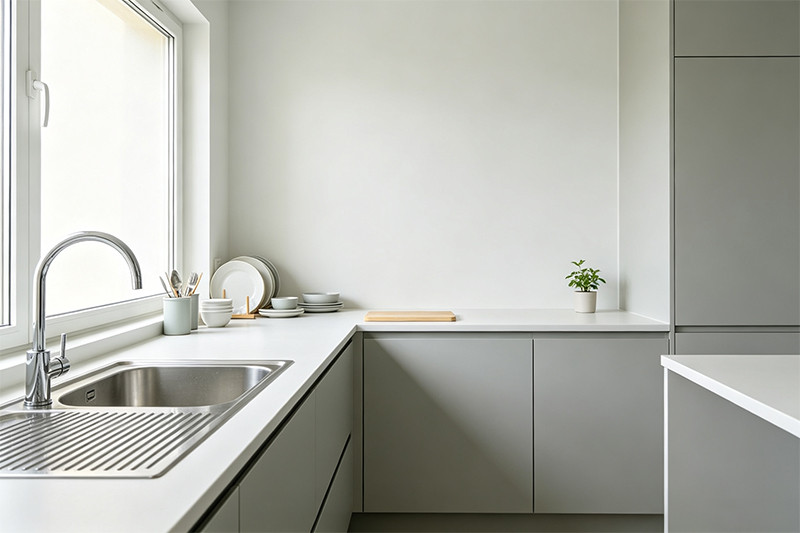
Hygienic Drying and Countertop Protection: The most obvious benefit is providing a dedicated, clean space for air-drying dishes. Unlike placing a separate dish rack on the counter—which can trap moisture and lead to bacteria or mold growth—an integrated drainboard ensures water drains away efficiently. This prevents water from pooling on your expensive countertops, safeguarding them from water spots, mineral buildup, and potential damage, especially for materials like wood or laminate.
Expanded Workspace: The drainboard is not just for drying. It serves as a valuable extension of your "wet zone." You can use it to thaw frozen foods, giving drips a direct path to the drain. It’s also the perfect spot to place a colander while rinsing large quantities of fruits and vegetables, keeping your main countertops dry and available for other prep tasks like chopping and mixing.
Reduced Clutter: By eliminating the need for a separate, often bulky, dish drying rack, a drainboard sink helps maintain a cleaner, more streamlined look in your kitchen. This is particularly beneficial in smaller kitchens where counter space is a precious commodity. The result is a more organized and visually cohesive work area.
The Enduring Appeal of Stainless Steel as a Material
Stainless steel is the most popular material for kitchen sinks for a host of compelling reasons. It offers a unique combination of practicality, durability, and timeless aesthetics that is hard to match.
- Exceptional Durability and Longevity: High-quality stainless steel sinks are incredibly durable, with a typical lifespan of 15 to 30 years. They are resistant to chipping, cracking, and corrosion. Unlike porcelain or enamel, you don't have to worry about a dropped pot causing a chip that compromises the surface. It is also highly resistant to high heat, meaning you can pour boiling water from pasta directly into the sink without causing any damage.
- Hygienic and Easy to Maintain: Stainless steel has a non-porous surface, which means that bacteria, mold, and germs have nowhere to hide. This makes it an incredibly hygienic choice for a food preparation area and very easy to clean and sanitize. A simple daily cleaning with mild soap and water, followed by a quick wipe-down to prevent water spots, is all that's needed to keep it looking great.
- Timeless and Versatile Aesthetic: The sleek, neutral appearance of stainless steel complements virtually any kitchen style, from ultra-modern to traditional farmhouse. It seamlessly integrates with other stainless steel appliances, creating a cohesive and professional look. It doesn't go out of style, ensuring your investment remains relevant through any future kitchen updates.
- Affordable Quality: Compared to other materials like fireclay, cast iron, or natural stone, stainless steel offers exceptional value. It provides top-tier performance and durability at a more accessible price point, making it a budget-friendly choice without sacrificing quality.
Navigating Options: Finding the Right Design Features for Your Double Stainless Steel Sink with Drainboard
Once you've settled on the configuration, the next step is to examine the specific design features that will define how you interact with your sink daily. Details like the divider height, basin dimensions, and mounting style play a huge role in the sink's overall convenience and its integration into your kitchen's design.
Considering Low Dividers for Enhanced Flexibility
The divider in a double bowl sink traditionally reaches the full height of the sink. However, a popular and highly practical alternative has emerged: the low-divide or "smart divide" sink. This design features a central partition that is several inches lower than the sink's outer rim.
This simple modification offers what many consider the best of both worlds. You still get the benefits of two separate basins for multitasking—like keeping dirty dishes separate from food prep—but the lower barrier provides newfound flexibility. The key advantage is the ability to handle large cookware that would be awkward or impossible to fit in a standard double bowl. A large baking sheet, a roasting pan, or the handle of a stockpot can now comfortably stretch across the divider, allowing you to wash it without struggling.
This design effectively merges the spaciousness of a single bowl with the organizational benefits of a double bowl. You can fill one side with water for soaking without it spilling over, yet you retain the clearance needed for oversized items. This makes a low-divide sink an excellent choice for home cooks who appreciate the separation but frequently use large pots and pans.
Optimal Dimensions: Depth and Size for My Daily Needs
Selecting the correct sink dimensions is critical for both functionality and ergonomics. An ill-fitting sink can lead to an inefficient kitchen and even physical discomfort.
Overall Width and Cabinet Size: The first rule of sink sizing is that it must fit your base cabinet. A standard double bowl sink with a drainboard typically requires a base cabinet of at least 36 inches (91 cm) wide, though larger models may need 42 inches (107 cm) or more. As a general rule, the sink's overall width should be about 3 inches less than the interior width of the cabinet to allow room for mounting clips and plumbing.
Sink Depth and Ergonomics: The depth of the sink bowls is a trade-off between capacity and comfort.
- Standard Depth (8-9 inches): This is a comfortable middle ground for most people and provides adequate space for most tasks.
- Deep Sinks (10+ inches): Deeper sinks are excellent for hiding stacks of dirty dishes and minimizing splashing, which is great for busy households or open-concept kitchens. However, they can cause back strain for shorter individuals or those with mobility issues, as you have to bend over further to reach the bottom of the sink. It's often recommended that you test out different sink depths in a showroom to see what feels most comfortable for your height.
- Shallow Sinks (6-7 inches): These are less common for main kitchen sinks but can be ergonomically better for very tall users or for those who require wheelchair accessibility.
Here is a quick reference table to guide your choice:
| Sink Depth | Best For | Potential Downsides |
|---|---|---|
| 6-7 inches | Very tall users; accessibility (wheelchair use) | Limited capacity; more splashing |
| 8-9 inches | Most users; good balance of capacity and comfort | A compromise; not specialized for extreme needs |
| 10+ inches | Hiding dishes; washing large pots; reducing splashes | Can cause back strain for shorter users |
Mounting Styles: Top-mount vs. Undermount for Your Double Stainless Steel Sink with Drainboard
The way your sink is mounted to the countertop affects its aesthetics, cleaning routine, and installation process. There are two primary styles to choose from.
Top-mount (or Drop-in) Sinks
A top-mount sink, also known as a drop-in sink, is installed from above into a pre-cut hole in the countertop. The sink's weight is supported by its visible rim, which rests on the counter surface.
- Pros: Top-mount sinks are generally less expensive and significantly easier to install, making them a more budget-friendly and DIY-friendly option. They are compatible with almost any countertop material, including laminate, which cannot be used with undermount sinks.
- Cons: The main drawback is the raised lip around the perimeter. This rim can trap food particles, grime, and water, requiring more diligent cleaning. It also creates a visual break on the countertop and prevents you from sweeping crumbs and spills directly into the sink.
Undermount Sinks
An undermount sink is installed from below the countertop, attached with specialized clips and adhesive. The edge of the countertop forms the "rim" of the sink.
- Pros: The primary advantage of an undermount sink is its seamless, modern appearance. This design makes countertop cleanup a breeze, as you can wipe water and debris directly into the sink without any obstruction. It also maximizes usable counter space right up to the sink's edge.
- Cons: Undermount sinks are more expensive and complex to install, almost always requiring a professional. They are only compatible with solid-surface countertops like granite, quartz, or marble that can support the sink's weight and have a finished, water-resistant edge.
| Feature | Top-mount (Drop-in) | Undermount |
|---|---|---|
| Aesthetics | Traditional look, visible rim | Sleek, seamless, modern |
| Installation | Easier, DIY-friendly | More complex, often requires a pro |
| Cost | More affordable | More expensive |
| Countertop Cleaning | Rim can trap debris | Easy; sweep debris directly into sink |
| Counter Compatibility | All materials (incl. laminate) | Solid surface only (stone, quartz) |
Ensuring Longevity and Performance in Your Double Stainless Steel Sink with Drainboard
A kitchen sink is a long-term investment, so choosing one built to last is paramount. The quality of the stainless steel, its finish, and your maintenance routine will all determine how well your sink withstands the rigors of daily use and retains its beauty over time.
Choosing the Right Gauge for Durable Stainless Steel
When shopping for a stainless steel sink, one of the most important specifications you'll encounter is its "gauge." This term refers to the thickness of the steel. It's a slightly counterintuitive measurement: the lower the gauge number, the thicker and more durable the steel.
- 16-Gauge: This is considered a premium, high-quality thickness for residential kitchen sinks. It is thicker (approx. 1.59 mm or 1/16"), making it highly resistant to dents, bowing, and damage from heavy pots and pans. Thicker steel also has better sound-dampening qualities, resulting in a quieter sink when water is running or dishes are being washed.
- 18-Gauge: This is the most popular choice for residential kitchens and offers an excellent balance of durability, performance, and affordability. At about 1.27 mm thick, it is still very robust and suitable for the demands of daily use in a busy household.
- 20-Gauge or Higher: Sinks with a gauge of 20 or higher are thinner and more susceptible to denting and noise. While they are more budget-friendly, they are generally best reserved for less frequently used areas like a bar or laundry room, not the main kitchen sink.
For a hardworking double bowl sink that you expect to last for decades, investing in a 16 or 18-gauge model is highly recommended. The added thickness provides a feeling of quality and ensures the sink can withstand the test of time.
Addressing Aesthetic Considerations and Countertop Space
Beyond its functional aspects, a double stainless steel sink with a drainboard has a significant visual impact and affects the use of your countertop space.
Countertop Real Estate: The most direct trade-off for the convenience of a drainboard is the countertop space it occupies. While this can be a drawback in very small kitchens, many users find the trade-off worthwhile. An integrated drainboard effectively replaces a separate dish rack, keeping your primary counter surfaces clear and dry. It concentrates all "wet" activities—washing, rinsing, and drying—into one efficient zone.
Aesthetic Finishes: Stainless steel sinks are available in several finishes, each offering a slightly different look and maintenance profile.
- Satin or Brushed Finish: This is the most common and practical finish. It features fine, uniform lines that create a soft, low-sheen luster. A major advantage of this finish is its ability to hide minor scratches and water spots better than a polished finish. The grain of the finish typically runs in one direction, and cleaning along this grain helps maintain its appearance.
- Polished or Mirrored Finish: This finish is highly reflective and provides a brilliant, mirror-like shine. While visually striking, it is the most high-maintenance option, as it shows every fingerprint, water spot, and scratch. It requires diligent wiping and polishing to keep it looking pristine.
By selecting a finish that aligns with your tolerance for maintenance and a size that respects your kitchen's layout, you can ensure your new sink is both a beautiful and a practical addition.
Maintaining Your Double Stainless Steel Sink with Drainboard for Years to Come
Even the most durable sink requires proper care to stay in pristine condition. Adopting a simple but consistent maintenance routine will protect your investment and keep your stainless steel sink looking new for years.
- Daily Cleaning: The best defense is a good offense. After each use, give the sink a quick rinse with warm water to wash away any food particles or soap residue. Then, use a soft cloth or sponge to wipe the entire surface dry. This simple habit is the most effective way to prevent water spots and mineral deposits from forming, especially if you have hard water.
- Weekly Deep Cleaning: Once a week, perform a more thorough cleaning. Sprinkle baking soda generously across the entire sink surface. Using a soft sponge or cloth, scrub gently in the direction of the steel's grain. Baking soda is a mild abrasive that is excellent for removing tougher residue without scratching the finish. For hard water stains, you can spray white vinegar over the baking soda, let it fizz for a few minutes, and then scrub and rinse.
- Addressing Scratches: It's important to accept that even the highest quality stainless steel will accumulate fine scratches over time. This is a natural characteristic of the material. A brushed or satin finish helps to camouflage these scratches as they blend together to form a unique patina. For a more noticeable scratch, a non-abrasive scouring pad (like a 3M Scotch-Brite pad) can be used gently along the grain to help blend it in.
- What to Avoid: To prevent damage, never use steel wool, wire brushes, or abrasive scouring pads, as these will scratch the surface. Also, avoid harsh chemicals like bleach or drain cleaners. If these chemicals come into contact with your sink, rinse the surface immediately and thoroughly with water to prevent corrosion. Finally, try not to leave wet sponges, metal cans, or cast-iron cookware sitting in the sink for long periods, as this can trap moisture and lead to rust stains.
Investing in a bottom grid for each bowl is also highly recommended. These grids elevate dishes and protect the bottom surface of the sink from direct contact with heavy pots and sharp utensils, significantly reducing the risk of deep scratches and dents.
Aligning Your Double Stainless Steel Sink with Drainboard with Your Kitchen Lifestyle
The perfect sink is one that feels like a natural extension of the way you cook, clean, and live. Beyond the technical specifications, consider how the features of a double stainless steel sink with a drainboard will integrate into your personal habits and your kitchen's overall design.
Matching Your Sink to Your Cooking and Cleaning Habits
Different lifestyles place different demands on a kitchen sink. By creating a few "user personas," you can better visualize how a double bowl sink with a drainboard would fit into your daily routine.
- For the Avid Home Cook: If you love to experiment with complex recipes, a double bowl sink is your command center. One bowl can be dedicated to washing and prepping fresh produce, while the other is used for cleaning mixing bowls and utensils as you go. The drainboard becomes an indispensable staging area, perfect for holding rinsed vegetables, draining pasta in a colander, or even setting down hot pans. A low-divide model would be especially useful here, accommodating large stockpots and baking sheets used for batch cooking or elaborate meals.
- For the Busy Family: In a household with children, the sink is in constant use. A double bowl configuration is a lifesaver for managing the endless cycle of dishes, snack prep, and hand washing. You can keep dirty breakfast dishes contained in one bowl while still having the other free to rinse fruit, fill water bottles, or wash little hands. The drainboard provides a safe, out-of-the-way space for air-drying baby bottles, sippy cups, and lunch containers, keeping primary countertops free for homework or other activities. Durability is key here, so a 16-gauge steel sink would be a wise investment to withstand accidental drops and heavy traffic.
- For the Person Who Entertains Frequently: If you often host dinner parties or gatherings, your sink needs to handle high-volume cleanup efficiently. The double bowl allows you to soak delicate wine glasses and serving platters separately from greasy pots and pans, preventing breakage. The drainboard is perfect for drying those hand-wash-only items like crystal glasses or large charcuterie boards, allowing you to clean up progressively during the evening instead of facing a mountain of dishes at the end. An undermount sink would offer a particularly sleek look, impressing guests and making post-party cleanup seamless.
Integrating Your Double Stainless Steel Sink with Drainboard with Your Kitchen Layout
How and where you place your sink is just as important as the sink itself. A well-placed sink creates an efficient "work triangle" between the refrigerator, stove, and sink, which streamlines kitchen tasks.
- Placement and Workflow: A double bowl sink with a drainboard is a large fixture, so its placement requires careful planning. Ideally, it should be located with easy access to both your food prep areas and your dishwasher. Consider the flow: moving items from the refrigerator to the sink for washing, then to the countertop for prep, and finally to the stove for cooking. The drainboard should ideally be positioned on the side leading to your drying racks or dishwasher to create a seamless clean-up process.
- Reversible Drainboards: Many models offer a "reversible" design. This means the drainboard is not pre-destined for the left or right side, giving you or your installer the flexibility to orient the sink according to your kitchen layout and personal preference. This is a crucial feature that allows a single sink model to adapt to a wide variety of kitchen configurations.
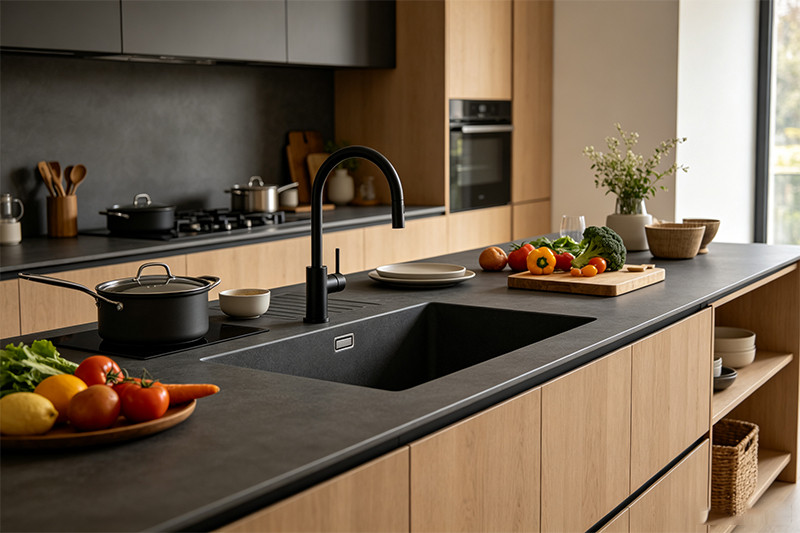
- Corner and Island Solutions: While traditionally placed under a window, these sinks can also be innovative solutions for tricky layouts. A corner installation can make excellent use of an often-awkward space, turning it into a highly functional wet zone. Placing a drainboard sink on a large kitchen island can create a central hub for food prep and entertaining, allowing the cook to face guests while working. This setup consolidates tasks and keeps the perimeter counters free for serving or small appliances.
By thoughtfully considering the placement within the broader context of your kitchen layout, you ensure that your sink is not just a standalone feature but an integrated component that enhances the entire room's efficiency and flow.
Conclusion
Choosing the best double stainless steel sink with drainboard is an investment in your kitchen's future. It involves carefully weighing its many benefits—multitasking efficiency, hygienic drying space, and material durability—against your specific day-to-day needs, aesthetic preferences, and kitchen layout.
By understanding the nuances of different features like low-dividers, the importance of steel gauge, and the pros and cons of mounting styles, I believe you’ve gained the knowledge to make a confident and informed decision for your home. This is more than just a purchase; it's about optimizing the heart of your kitchen for years of enjoyment and utility.
A brand like Samsink offers a premium range of designs that embody these principles of quality and functionality. I encourage you to explore their collection to find the perfect centerpiece that will elevate your daily kitchen activities. With the right choice, your new double stainless steel sink with drainboard will serve as a highly functional, durable, and stylish workhorse, simplifying everything from meal prep to cleanup. Share this guide with anyone embarking on a kitchen renovation, and feel free to leave a comment below with your own experiences or questions!
Frequently Asked Questions (FAQs)
1. Are stainless steel sinks noisy, and how can I minimize the sound?
Yes, stainless steel sinks, especially those made from thinner gauge steel, can be noisy when water is running or when dishes and utensils are dropped in. The sound is often described as a "tinny" or drumming echo. However, quality manufacturers address this in two primary ways:
- Thicker Gauge Steel: As discussed, a lower gauge number (like 16-gauge) means thicker steel. Thicker steel naturally vibrates less, which significantly reduces noise.
- Sound Dampening Pads and Undercoating: Reputable brands apply large, thick rubber or silicone pads to the underside of the sink bowls and drainboard. These pads absorb vibrations and deaden sound effectively. Additionally, a layer of spray-on undercoating is often applied, which not only helps with soundproofing but also prevents condensation from forming on the sink's underside in the cabinet below. When shopping, be sure to check the product specifications for sound-dampening features. A quiet sink is a sign of a high-quality product.
2. Do stainless steel sinks scratch easily, and how can I prevent or fix scratches?
It is a fact that all stainless steel sinks will scratch with use. This is an inherent characteristic of the material. However, how noticeable these scratches are and how you manage them makes all the difference.
- Prevention: The best way to minimize deep scratches is to use a stainless steel bottom grid. This accessory sits on the bottom of the sink and elevates dishes, preventing direct contact between sharp utensils or heavy pots and the sink's surface. Also, avoid using abrasive cleaners like steel wool or harsh scouring pads.
- Living with Scratches: Over time, the accumulation of fine, hairline scratches will create a unique patina on the sink's surface, which tends to look uniform. A brushed or satin finish is excellent at masking these minor imperfections.
- Repairing Scratches: For minor scratches, you can often buff them out by using a non-abrasive cleaner (like Bar Keepers Friend) and a soft cloth, always scrubbing in the direction of the steel's grain. For deeper scratches, specialized stainless steel scratch removal kits are available, but it's best to test them on an inconspicuous area first.
3. Can I install a garbage disposal with a double bowl sink?
Absolutely. Installing a garbage disposal on a double bowl sink is very common and straightforward. You simply choose which of the two drains you want to attach it to. Most people install it on the bowl that will be used for rinsing food scraps and food prep, keeping the other bowl free for soaking or washing dishes without obstruction. The installation process is the same as for a single bowl sink; the disposal unit attaches to the underside of the sink drain flange. The plumbing will simply be configured with a T-fitting to connect both drains into a single P-trap before it goes into the wall drain.
4. What is the difference between 304 and 316 grade stainless steel?
The grade of stainless steel refers to its composition, specifically the percentages of chromium and nickel, which provide its rust and corrosion resistance.
- 304 Stainless Steel: This is the industry standard for high-quality kitchen sinks. It typically contains 18% chromium and 8% nickel (often referred to as 18/8 stainless steel). This composition provides excellent resistance to rust, corrosion, and stains from everyday household acids and cleaners. For the vast majority of indoor residential kitchens, 304 grade is more than sufficient and offers a great balance of performance and cost.
- 316 Stainless Steel: This is a premium, "marine-grade" stainless steel. It contains the same amount of chromium but has more nickel and, crucially, includes molybdenum (around 2-3%). The addition of molybdenum provides superior resistance to corrosion from chlorides (like salt) and harsh chemicals. While generally overkill for a standard indoor kitchen, a 316-grade sink might be a worthwhile investment for outdoor kitchens, coastal environments with salty air, or labs where harsh chemicals are used.
5. Is a drainboard worth the countertop space it occupies?
This is a subjective question that depends heavily on your kitchen size and personal workflow.
- For larger kitchens: The space a drainboard occupies is often seen as a small price to pay for the immense functionality it adds. It centralizes wet tasks, protects countertops, and eliminates the clutter of a separate dish rack.
- For smaller kitchens: The decision is more critical. However, many find that the drainboard is even more valuable in a small space because every inch of the counter is precious. By integrating the drying area into the sink unit, the drainboard frees up what little primary countertop space you have, which would otherwise be taken up by a wet, messy drying mat or rack. The drainboard can also double as extra prep space (e.g., placing a cutting board over it) when not used for drying. Ultimately, if you frequently hand-wash items and are tired of wet countertops, a drainboard is almost always worth the space.