How to Choose the Right Size Stainless Steel Sink for Your Space
- Share
- publisher
- Samsink
- Issue Time
- Dec 25,2025
Summary
Stainless steel sinks, stainless steel utility sinks, and stainless steel farmhouse sinks are common and durable fixtures for kitchens and work areas, all crafted from corrosion-resistant and easy-to-clean stainless steel, designed for standard installation, deep practical use, and front-facing decorative styles, respectively.

Selecting the ideal stainless steel sink for your kitchen or laundry area is a crucial decision that impacts both functionality and aesthetic appeal. The right size ensures efficient workflow, maximizes space utilization, and complements your overall design. In this comprehensive guide, we will walk you through every aspect of choosing the perfect stainless steel sink size, backed by expert insights, detailed measurements, and practical tips to help you make an informed decision.
Understanding the Importance of Proper Sink Sizing
The size of your stainless steel sink directly influences your daily routines, from dishwashing to food prep and cleanup. An ill-fitting sink can cause frustration, reduce efficiency, and even compromise your kitchen's design harmony. Conversely, selecting the correct size enhances ergonomics, provides ample space for cleaning tasks, and ensures seamless integration with your countertop.
Measuring Your Space: The First Step Toward the Perfect Fit
Accurate Measurements Are Key
Before purchasing a stainless steel sink, precise measurements of your available space are essential. This involves measuring the cutout dimensions on your countertop and considering the overall size of the sink.
Tools Needed for Accurate Measurement
-Tape measure
-Pencil or marker
-Level (to ensure measurements are straight)
-Template or cardboard cutout (for visualizing fit)
Step-by-Step Measurement Process
Determine the Cutout Space:
Measure the length and width of the existing cutout or the area where the sink will be installed. Allow for at least 1-2 inches of clearance around the edges to facilitate installation and future maintenance.
Assess Depth and Height Constraints:
Measure the height from the countertop surface to the bottom of any overhead cabinets or shelves to ensure the chosen sink does not interfere with clearance.
Account for Plumbing and Accessories:
Consider existing plumbing connections and space needed for accessories such as soap dispensers, sprayers, or garbage disposals. These may influence the size and configuration of your sink.
Visualizing the Fit
Using a cardboard template matching your measurements can help visualize how different sizes will look and function within your space. This step minimizes errors and ensures a perfect fit before making a purchase.
Standard Stainless Steel Sink Sizes and Configurations
Single Bowl Sinks
| Size (Inches) | Ideal For | Features |
| 22" x 24" | Small kitchens, apartments | Compact, space-saving |
24" x 24" | Medium-sized kitchens | Versatile, common |
| 30" x 18" | Larger kitchens | More room for washing large items |
| 33" x 22" | Gourmet kitchens | Spacious, professional feel |

Double Bowl Sinks
| Size (Inches) | Ideal For | Features |
| 33" x 22" | Family homes | Separate washing and rinsing areas |
| 36" x 22" | Larger households | Increased capacity, multitasking |
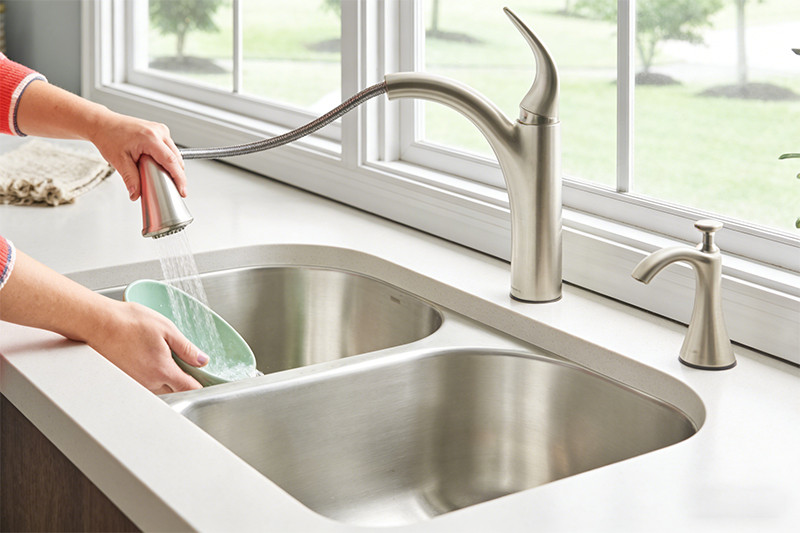
Farmhouse and Apron-Front Sinks
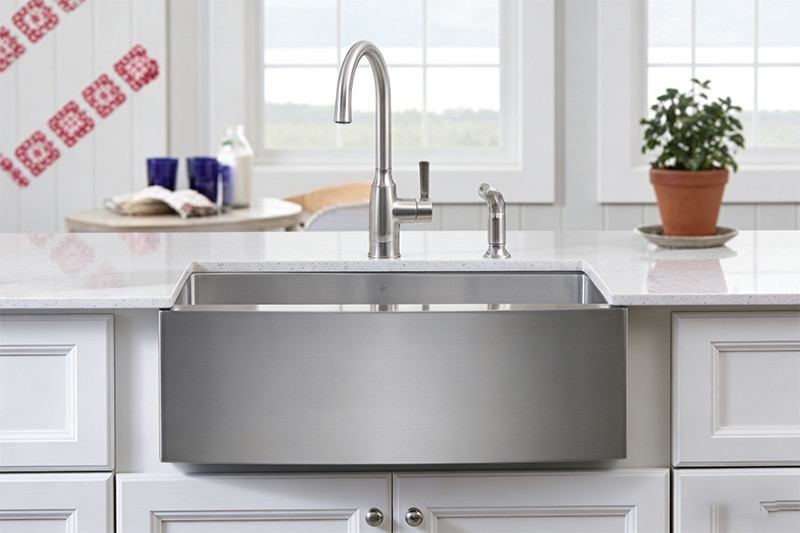
-Usually larger, starting at 30 inches wide and up to 36 inches or more.
-Designed for aesthetic appeal and larger washing tasks.
Choosing the Right Size Based on Your Kitchen Layout
Small Kitchens and Apartments
Opt for compact single bowl sinks (around 22-24 inches). These maximize space without sacrificing functionality.
Medium to Large Kitchens
Consider double bowl models or larger single bowls (up to 36 inches). These provide greater flexibility for multitasking and accommodate larger cookware.
Open-Plan and Contemporary Designs
Farmhouse or apron-front sinks often serve as focal points. Sizes range from 30 to 36 inches or more, blending functionality with style.
Factors to Consider When Selecting Your Stainless Steel Sink Size
Countertop Thickness and Material Compatibility
Ensure your chosen sink fits the thickness of your countertop material. Thicker countertops may require specialized mounting hardware or thicker rim designs.
Depth and Bowl Capacity
Standard depths range from 8 to 10 inches. Deeper bowls are advantageous for washing bulky items but may require more elbow room and ergonomic considerations.
Number of Users and Usage Patterns
A household with multiple users benefits from larger or double bowls to streamline chores and reduce wait times.
Future-Proofing Your Kitchen
Anticipate future needs by selecting a size that can handle larger pots, pans, and appliances, ensuring longevity and continued satisfaction.
Design and Aesthetic Considerations
Matching Sink Size with Countertop and Cabinet Dimensions
Your sink should harmonize with your cabinetry and countertop size. Leave at least 1-2 inches of clearance on all sides for installation ease and visual balance.
Balancing Functionality and Style
Large sinks make a statement but can overpower smaller kitchens. Conversely, a too-small sink may hinder daily tasks. Strive for a balanced proportion that complements your overall kitchen design.
Installation Types and Their Impact on Size Selection
Undermount vs. Top-Mount Sinks
-Undermount sinks require precise measurements for seamless integration.
-Top-mount (drop-in) sinks offer more flexibility but require accurate cutouts.
Farmhouse and Apron-Front Sinks
These are often larger and require additional space for installation, including front-facing panels.
Popular Stainless Steel Sink Brands and Models
| Brand | Notable Features | Typical Sizes | Price Range |
Samsink | Durable, stylish designs | 24"-36" | $200 - $800 |
| Blanco | Noise reduction, premium finishes | 30"-36" | $300 - $1000 |
| Ruvati | Heavy-duty stainless steel | 33"-36" | $250 - $700 |
| Franke | Innovative features, sleek designs | 24"-36" | $300 - $900 |
Expert Tips for Finalizing Your Sizing Decision
-Always measure twice, and verify with manufacturer specifications.
-Consider ergonomics: the sink should be comfortably reachable without excessive bending.
-Factor in additional accessories like cutting boards or drying racks that may influence size.
-Think about future renovations—a slightly larger sink may be a worthwhile investment.
Conclusion: Your Roadmap to the Perfect Stainless Steel Sink Size
Choosing the appropriate size stainless steel sink is an investment in your kitchen’s functionality, style, and long-term satisfaction. By meticulously measuring your space, considering your household needs, and balancing aesthetic preferences, you can select a sink that seamlessly integrates with your environment and enhances your daily routines.
Remember, the ideal sink size does not just fit your current space—it adapts to your lifestyle, anticipates future needs, and elevates your kitchen’s overall design. Armed with this detailed guide, you are well-equipped to make a confident, informed decision that will serve you well for years to come.