How to Maintain Commercial Stainless Steel Sinks for Lasting Durability and Sanitation
- Share
- Issue Time
- May 21,2026
Summary
Commercial stainless steel sinks are indispensable for maintaining high standards of hygiene and efficiency across various professional settings, including kitchens, medical facilities, and laboratories. Their fundamental role stems from inherent material properties and thoughtful design, which are crucial for ensuring cleanliness and safety. Key material considerations involve selecting between Type 304 stainless steel, suitable for most general applications due to its excellent corrosion resis
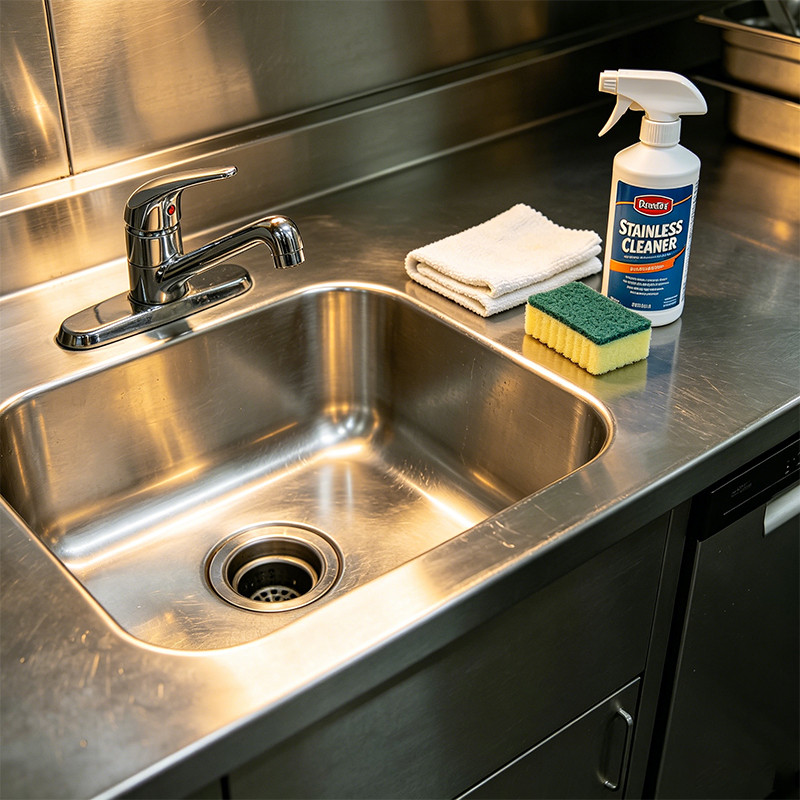
As business owners, we understand the critical role that commercial stainless steel sinks play in maintaining hygiene and efficiency in our daily operations. From bustling kitchens to sterile medical facilities, these workhorses are essential for upholding cleanliness and safety standards. The right sink, like a quality unit from a trusted brand such as Samsink, isn't just a piece of equipment; it's a cornerstone of your business's commitment to quality and safety.
I'm here to share how we can maximize the lifespan and ensure the impeccable sanitation of our commercial stainless steel sinks through proper care and informed choices. Let's delve into the best practices to keep our investments shining and functional for years to come.
Key Takeaways
- Material Matters: The choice between 304 and 316 stainless steel is crucial. Type 304 is the industry standard for most applications, offering excellent corrosion resistance, while Type 316 provides superior protection in harsh, saline, or chemical-heavy environments.
- Design for Durability: Features like welded construction, coved corners, and appropriate gauge thickness are not just details—they are essential for a sink's longevity and ease of cleaning. A well-designed sink withstands heavy use and prevents the buildup of bacteria.
- Daily Maintenance is Non-Negotiable: A simple daily routine of cleaning with mild soap, rinsing thoroughly, and drying the surface can prevent a majority of common issues like water spots, mineral deposits, and surface corrosion.
- The "Wash, Rinse, Sanitize" Protocol: For food service operations, mastering the three-compartment sink method is fundamental to preventing foodborne illnesses and complying with health codes. This involves specific temperatures and sanitizer concentrations.
- Compliance is Key: Always choose sinks that are NSF Certified and comply with your local health codes. This not only ensures you pass inspections but also guarantees the sink is safe, durable, and designed for hygienic use.
- Choose the Right Supplier: Partnering with a knowledgeable supplier like Samsink ensures you get expert advice on selecting the right configuration, material, and size for your specific needs, along with reliable customer support.
Why Commercial Stainless Steel Sinks Are Essential for Durability and Sanitation
Commercial stainless steel sinks are the unsung heroes of professional environments, providing a robust and hygienic foundation for countless daily tasks. Their prevalence in kitchens, hospitals, and laboratories is no accident. The material's inherent properties and the thoughtful design of these sinks make them indispensable for any operation that prioritizes durability, cleanliness, and compliance. Understanding these foundational aspects is the first step toward effective maintenance and maximizing the value of your investment.
The Unbeatable Material: Understanding 304 and 316 Stainless Steel for Our Sinks
The "stainless steel" label covers a family of alloys, but for commercial sinks, two types reign supreme: 304 and 316. Type 304 stainless steel is the most common variety used in kitchen equipment, and for good reason. It typically contains 18% chromium and 8% nickel, a composition that provides excellent resistance to corrosion and rust. This makes it perfectly suited for the daily rigors of a standard commercial kitchen, capable of handling everything from food prep to dishwashing without degrading.
Type 316 stainless steel is a premium option that includes molybdenum in its composition. This addition gives it significantly enhanced resistance to chlorides, such as salt and certain harsh cleaning chemicals. While more expensive, Type 316 is the necessary choice for facilities in coastal areas with salt in the air, laboratories that use aggressive chemicals, or any environment where the sink will face extreme corrosive elements. Choosing between them is a matter of matching the material to your specific operational environment to ensure long-term durability.
Another critical factor in the material's performance is its gauge, which refers to the thickness of the steel. In this case, a lower gauge number means thicker steel. For example, 16-gauge steel is thicker and more durable than 18-gauge steel. For most heavy-duty commercial applications, a 14- or 16-gauge sink is recommended to resist dents, reduce noise, and provide a stable work surface.
| Steel Type | Key Components | Best Use Cases | Corrosion Resistance |
|---|---|---|---|
| Type 304 | 18% Chromium, 8% Nickel | General food service, hospitals, labs | Excellent against most oxidizing acids |
| Type 316 | 16% Chromium, 10% Nickel, 2% Molybdenum | Coastal areas, high-saline environments, chemical labs | Superior against chlorides and acids |
Built for Heavy-Duty Use: How Design Ensures Longevity in Commercial Stainless Steel Sinks
Beyond the metal itself, the construction of a commercial sink is paramount to its longevity. Unlike residential sinks that are often stamped from a single sheet of metal, high-quality commercial sinks, such as those offered by Samsink, are typically fabricated using a fully welded process. This means the bowls, drainboards, and backsplashes are welded together to form a seamless and incredibly strong unit. This construction eliminates the mechanical fasteners and seams that can loosen or trap grime over time.
The design of the sink's corners also plays a role in its durability and cleanability. While sharp, 90-degree corners are cheaper to produce, they create weak points that are prone to collecting bacteria. High-quality commercial sinks feature coved corners, which are rounded and seamless transitions between the bottom and sides of the sink. This design not only makes the sink easier to wipe clean but also distributes stress more evenly, enhancing the structural integrity of the bowl.
Finally, consider the support system. Heavy-duty commercial sinks are supported by robust legs, often made from the same stainless or galvanized steel, and feature cross-bracing. This bracing connects the legs to each other, preventing them from wobbling or shifting under the weight of water, dishes, and equipment. Adjustable, non-marking bullet feet allow for leveling the sink on uneven floors, ensuring proper drainage and a stable working environment. These thoughtful design elements work together to create a sink that can withstand the demanding pace of a commercial setting for decades.
Hygienic by Design: Features That Boost Sanitation in Our Commercial Stainless Steel Sinks
Sanitation is the top priority in any professional setting, and the design of a commercial stainless steel sink is engineered to support it. The primary advantage of stainless steel is its non-porous surface. Unlike materials like porcelain or plastic, stainless steel has no microscopic pores where bacteria, mold, and other pathogens can hide and multiply. This makes the surface inherently more hygienic and easier to sanitize effectively.
As mentioned, coved corners are a critical feature for sanitation. The smooth, rounded transition from the sink wall to the floor eliminates crevices where food particles and bacteria can accumulate, making cleaning faster and more thorough. This design is often a requirement for equipment to be certified by organizations like the NSF (National Sanitation Foundation). An NSF certification on a sink indicates that it has been tested and verified to meet stringent standards for public health protection, including being easy to clean and sanitize.
Proper drainage is another key hygienic feature. Commercial sinks are designed with a positive pitch towards the drain, ensuring that all water and debris flow out efficiently, leaving no standing water behind. Standing water is a breeding ground for bacteria and can lead to unpleasant odors. Large basket strainers are also standard, designed to catch food scraps and prevent them from clogging the plumbing while being easy to remove and clean. Together, these features create a system that is inherently easy to keep clean, safe, and fully sanitized.
Daily Rituals: Keeping Our Commercial Stainless Steel Sinks Spotless and Sanitary
A high-quality stainless steel sink is a fantastic starting point, but its lasting durability and sanitation depend entirely on consistent, proper care. Establishing simple daily rituals is the most effective way to protect your investment, ensure a hygienic workspace, and keep your sinks looking professional. These practices aren't complicated or time-consuming, but they make all the difference in preventing long-term damage and contamination.
The Routine Clean: Simple Steps for Daily Maintenance of Commercial Stainless Steel Sinks
Daily cleaning is the frontline defense against stains, mineral buildup, and bacterial growth. The goal is to remove food particles and hard water deposits before they have a chance to cause problems. A consistent routine will keep your Samsink unit in pristine condition.
Your Step-by-Step Daily Cleaning Protocol:
- Clear the Sink: Remove all dishes, utensils, food scraps, and any sink mats or grids.
- Thorough Rinse: Use a sprayer to rinse the entire sink—bowls, drainboards, and backsplash—with warm water. This initial rinse dislodges loose debris.
- Gentle Scrub: Apply a small amount of mild detergent or a pH-neutral cleaner to a soft cloth, sponge, or nylon brush. Always scrub in the direction of the metal's grain or polish lines. This prevents micro-scratches and maintains the original finish.
- Rinse Again: Thoroughly rinse away all soap residue with clean water. Any leftover cleaner can leave a film that dulls the surface.
- Sanitize (If Required): For food prep sinks, follow with a sanitizing step as per your health department's guidelines.
- Wipe Dry: This is the most overlooked but crucial step. Use a soft, dry cloth to wipe down the entire sink. Drying the sink prevents water spots and mineral deposits from forming, which can dull the surface and, over time, lead to discoloration.
What to Avoid:
- Steel wool, scouring pads, and abrasive powders: These will scratch and permanently damage the sink's surface.
- Harsh Chemicals: Never use chlorine bleach, oven cleaners, or cleaners containing chlorides on your sink. If these chemicals accidentally come into contact, rinse the surface immediately and thoroughly with clean water.
- Leaving wet sponges or cloths in the sink: Trapped moisture can lead to discoloration and water spots.
Mastering the 'Wash, Rinse, Sanitize' Protocol for Multi-Compartment Commercial Stainless Steel Sinks
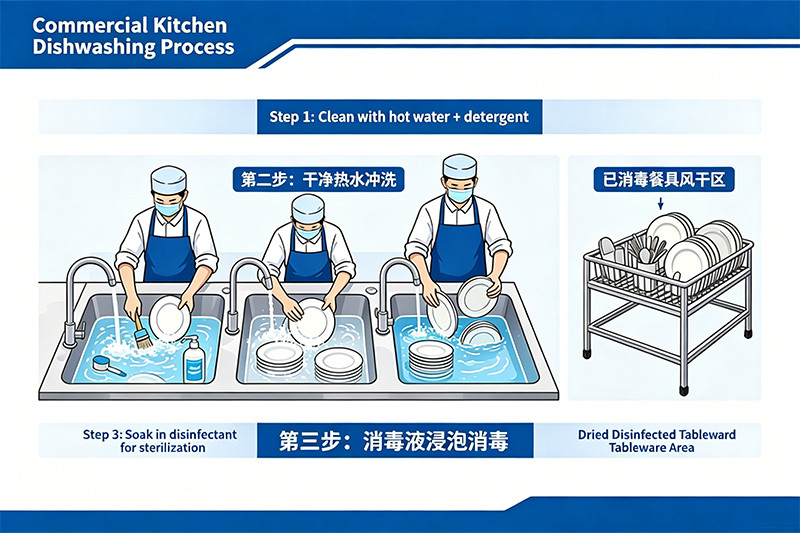
For any establishment serving food, the three-compartment sink is the heart of the dishwashing operation, and the "Wash, Rinse, Sanitize" method is a non-negotiable health code requirement. Following this protocol correctly is essential for preventing cross-contamination and foodborne illness.
Setting Up Your Three Compartments:
- First Compartment (Wash): Fill with hot water, ideally at least 110°F (43°C), and a commercial-grade detergent. Use a brush to scrub dishes and remove all food soil. The water should be changed when it becomes greasy or full of suds.
- Second Compartment (Rinse): Fill with clean, hot water, also at least 110°F (43°C). The goal here is to remove all traces of detergent from the washed items. If the water becomes soapy, it needs to be drained and refilled.
- Third Compartment (Sanitize): This compartment uses either hot water or a chemical sanitizer to kill remaining bacteria.
- Hot Water Sanitizing: The water must be maintained at a minimum of 171°F (77°C), and items must be submerged for at least 30 seconds.
- Chemical Sanitizing: This is the more common method. Submerge items in a solution of water and a chemical sanitizer (like chlorine, iodine, or quaternary ammonium) mixed to the correct concentration as specified by the manufacturer and your local health code. Check the concentration regularly with test strips.
After sanitizing, items should be air-dried on a clean drainboard. Do not towel-dry, as this can reintroduce bacteria.
Preventing Damage: Protecting Our Investment in Commercial Stainless Steel Sinks
Beyond daily cleaning, a few preventative measures can go a long way in protecting your sink from common types of damage, ensuring it looks and performs its best for years.
- Preventing Scratches: While stainless steel is tough, it's not scratch-proof. The best protection is a bottom grid or sink mat. These vinyl-coated or stainless steel grids sit on the bottom of the sink bowl, elevating dishes and preventing heavy pots or sharp utensils from directly scraping the surface. They also promote better drainage.
- Tackling Hard Water Stains: In areas with hard water, mineral deposits (calcium and magnesium) can leave a white, chalky film on the sink's surface. The best solution is prevention: a daily wipe-down is very effective. For existing buildup, a solution of equal parts white vinegar and water can be sprayed on the surface, left for a few minutes, and then rinsed away.
- Addressing "Rust" Spots: It's a common misconception that stainless steel can rust on its own. It can't. Those small orange or brown specks you might see are typically the result of external factors. Often, they are small iron particles from water pipes, a scouring pad, or metal cans left in the sink that have started to rust and deposit themselves on the surface. To remove them, use a non-abrasive cleaner like Bar Keepers Friend and a soft cloth, scrubbing gently with the grain. Rinse thoroughly to prevent any reoccurrence.
Tailoring Our Setup: Different Types of Commercial Stainless Steel Sinks and Their Maintenance Needs
There is no one-size-fits-all solution when it comes to commercial sinks. The right choice depends on your available space, the specific tasks you perform, and the volume of use. From compact handwashing stations to large multi-user troughs, each type has unique features and, consequently, specific maintenance considerations to keep in mind. Selecting the right configuration is as important as choosing the right material for long-term satisfaction.
Space-Saving Solutions: Wall-Mounted Commercial Stainless Steel Sinks and Side Splashguards
In tight spaces like small kitchens, utility closets, or bar areas, floor space is a precious commodity. Wall-mounted commercial sinks are an excellent solution. By mounting directly to the wall, they free up the floor underneath, which not only creates a more open feel but also makes cleaning the floor significantly easier. There are no legs to mop around, eliminating corners where dirt and grime can accumulate.
Maintenance for wall-mounted sinks is similar to other stainless steel units, with one key area of focus: the wall seal. Ensure the silicone or sealant used to create a watertight seal between the sink's backsplash and the wall is intact and free of cracks or mold. This should be inspected regularly and reapplied if it shows any signs of wear to prevent water from seeping behind the sink and causing damage to the wall.
Many of these sinks come equipped with side splashguards. These are vertical panels on one or both sides of the sink bowl that serve a simple but crucial purpose: containing splashes. In a busy environment, this prevents water from getting onto adjacent surfaces, equipment, or the floor, which improves safety by reducing slip hazards and promotes hygiene by limiting the spread of bacteria-laden water. Cleaning these splashguards should be part of the daily ritual, wiping them down just as you would the sink bowl and backsplash.
Hands-Free Hygiene: Base-Mounted and Freestanding Commercial Stainless Steel Sinks with Special Faucets
In environments where hygiene is paramount, such as healthcare facilities and food processing plants, minimizing contact with surfaces is critical to preventing cross-contamination. Hands-free sinks are the gold standard for this purpose. These can be freestanding units, which are self-contained stations that can be placed anywhere a water connection is available, or base-mounted sinks built into a cabinet.
The defining feature is their activation method. Instead of traditional handles, these sinks use:
- Knee Pedals or Levers: A panel located beneath the sink is pushed with the knee to activate water flow.
- Foot Pedals: A floor-mounted pedal controls the water, a common setup in surgical scrub sinks.
- Electronic Sensors: An infrared sensor detects the presence of hands and turns the water on and off automatically. This is the most common and convenient option for public restrooms and handwashing stations.
Maintenance for these sinks includes the standard stainless steel care, with added attention to the activation mechanisms. For sensor faucets, it's important to periodically clean the sensor eye to ensure it remains responsive and check the batteries or power supply. For mechanical pedals, ensure the linkages are clean and operating smoothly. Trusted brands like Samsink offer a variety of these hygienic, hands-free solutions designed for reliability and ease of use.
High-Volume Solutions: Understanding Trough and Multi-Wash Commercial Stainless Steel Sinks
When you need to accommodate multiple users simultaneously, trough sinks and multi-wash stations are the most efficient solution. You'll often find them in school restrooms, factory washrooms, stadiums, and airports—anywhere high traffic is expected.
- Trough Sinks: These are long, single-basin sinks that can be several feet in length, equipped with multiple faucets along their span. They are exceptionally durable and easy to clean due to their simple, open design with minimal seams and corners. A single large drain can serve the entire unit, simplifying plumbing.
- Multi-Wash Stations: These are more modular units, often circular or semi-circular, with individual bowls or a continuous solid surface basin designed for two to eight users at once. They are often pre-plumbed and can come with integrated soap dispensers and faucet controls.
Maintenance for these large-scale sinks is a matter of scale. The same principles of daily cleaning—rinsing, washing with a mild detergent, and drying—apply. However, given the high volume of use, it may need to be done more frequently throughout the day. It's particularly important to ensure the multiple drains are kept clear and that all faucets are functioning correctly. The large, continuous surfaces are easy to wipe down, making the cleaning process efficient despite the size of the unit.
Making Informed Choices: Selecting the Right Commercial Stainless Steel Sinks for Optimal Performance
Selecting the right commercial sink is a long-term investment in your business's efficiency, hygiene, and compliance. It’s a decision that goes beyond just picking a size; it involves understanding health regulations, accurately assessing your own operational needs, and partnering with a supplier you can trust. Making an informed choice from the outset will prevent costly replacements and operational headaches down the line.
Regulatory Compliance: The Importance of Health Codes and NSF Certification for Commercial Stainless Steel Sinks
Before you purchase any sink, you must be aware of the regulations that govern your industry. For food service, healthcare, and other public-facing businesses, this is non-negotiable. Your local health department will have specific codes dictating the type, size, and number of sinks required for different tasks (e.g., handwashing, food prep, dishwashing). Ignoring these codes can lead to failed inspections, fines, and even business closure.
One of the most important things to look for when selecting a sink is the NSF mark. The National Sanitation Foundation (NSF) is an independent organization that tests and certifies products to ensure they meet strict standards for public health. For a sink to earn NSF certification, it must be made from materials that are safe and non-toxic, and it must be designed and constructed in a way that makes it easy to clean and prevents the harboring of bacteria. This often means having features like coved corners and a non-porous finish. An NSF-certified sink gives you confidence that you are purchasing a product built for safe, hygienic commercial use.
Sizing Up Our Needs: How Depth, Volume, and Configuration Impact Commercial Stainless Steel Sinks
To choose the right sink, you must perform a thorough assessment of your operational needs. Start by considering the tasks the sink will be used for. A handwashing sink can be small and shallow, while a pot-washing sink needs to be deep and wide enough to accommodate your largest cookware.
- Bowl Depth and Volume: A standard commercial sink bowl is typically 12 to 14 inches deep. This depth helps contain splashes and allows for submerging large items without overflowing. Deeper bowls may be necessary for high-volume pot washing, while shallower bowls might suffice for prep work or handwashing.
- Number of Compartments: The required number of compartments is often dictated by health codes. A dedicated handwashing sink is almost always required. For dishwashing, a three-compartment sink is the standard for the wash, rinse, and sanitize process. You may also need a separate two-compartment sink for food prep (e.g., washing and rinsing produce).
- Configuration: Think about the workflow. Do you need drainboards? If so, on which side? Left, right, or both? Drainboards provide valuable space for staging dirty dishes or air-drying clean ones. Consider the overall footprint of the unit, including the drainboards, and ensure it fits comfortably in your available space while allowing for efficient movement around it.
Working with Trusted Suppliers to Choose Our Commercial Stainless Steel Sinks
The world of commercial sinks can be complex, with endless combinations of materials, gauges, sizes, and configurations. This is why partnering with a trusted and knowledgeable supplier is so important. A good supplier does more than just sell you a product; they act as a consultant to help you navigate the options and make the best choice for your specific application and budget.
Look for a supplier with a proven track record and deep product knowledge. They should be able to answer your questions about the differences between 304 and 316 steel, explain the benefits of a 14-gauge sink over an 18-gauge one, and help you understand the requirements of your local health codes. A reputable supplier, such as the experts at Samsink, will stand behind their products, offering strong warranties and accessible customer support to help with any issues that may arise after the sale. They are invested in your success, because your long-term satisfaction is the foundation of their business.
Frequently Asked Questions (FAQ)
Q1: How do I remove stubborn stains or discoloration from my stainless steel sink? For tough stains like hard water spots or rust deposits from external sources, a paste of baking soda and water or a specialized non-abrasive cleaner like Bar Keepers Friend can be effective. Apply the cleaner with a soft cloth, scrubbing gently in the direction of the metal grain. Always rinse the sink thoroughly with water and wipe it dry after treatment.
Q2: What is the best gauge for a commercial kitchen sink? For most commercial kitchen environments, 16-gauge stainless steel is an excellent choice, offering a great balance of durability, dent resistance, and cost. For extremely heavy-duty use, such as in high-volume pot wash areas, upgrading to thicker 14-gauge steel provides maximum longevity and strength.
Q3: Can I use bleach to sanitize my stainless steel sink? No, you should never use chlorine bleach or any cleaners containing chlorides directly on your stainless steel sink. Bleach is highly corrosive to stainless steel and can cause pitting and permanent damage. If a sanitizing solution containing bleach is used for dishes in the third compartment, you should ensure the sink is thoroughly rinsed with clean water and wiped dry afterward to remove any residual chemicals.
Q4: My sink has rust spots. Isn't stainless steel supposed to be rust-proof? True stainless steel does not rust. The "rust" spots you see are almost always caused by tiny iron particles from other sources (like cast iron cookware, steel wool, or certain metal cans) that have been left on the wet sink surface. These external particles rust and deposit themselves onto the sink. They can be removed with a non-abrasive cleaner. To prevent them, avoid leaving metal items sitting in your sink and always rinse and dry the sink after use.
Q5: How often should I perform a deep clean on my commercial sink? While daily cleaning is essential, a more thorough deep clean should be performed on a weekly basis, or more often depending on usage. This involves using a specialized stainless steel cleaner to polish the surface, paying close attention to corners and drains, and inspecting the plumbing connections and sealant for any signs of leaks or wear.
Conclusion
By understanding the unique properties and diverse configurations of commercial stainless steel sinks, and by committing to consistent, proper maintenance, we can ensure their lasting durability and sanitation. From choosing the right material like 304 or 316 steel to implementing a strict daily cleaning regimen, each step we take contributes to the longevity and performance of these essential fixtures. Investing in a high-quality sink from a reputable brand like Samsink sets the foundation for success.
Our diligent care not only extends the life of these essential fixtures but also reinforces our commitment to a hygienic and efficient environment for our business and everyone who interacts with it. A sparkling, well-maintained sink is a clear reflection of the high standards we uphold in our operations. We encourage you to implement these practices and share your own tips for sink maintenance in the comments below.