How to Select High-Quality Stainless Steel Commercial Kitchen Equipment
- Share
- Issue Time
- Jul 8,2026
Summary
Equipping a commercial kitchen represents a significant investment, with the deliberate selection of high-quality stainless steel equipment being foundational for operational efficiency, productivity, and sustained success. This comprehensive guide underscores that high-grade stainless steel is a critical necessity, not just a preference, especially within the demanding environment of professional kitchens which are characterized by intense heat, moisture, and constant use. The article outlines
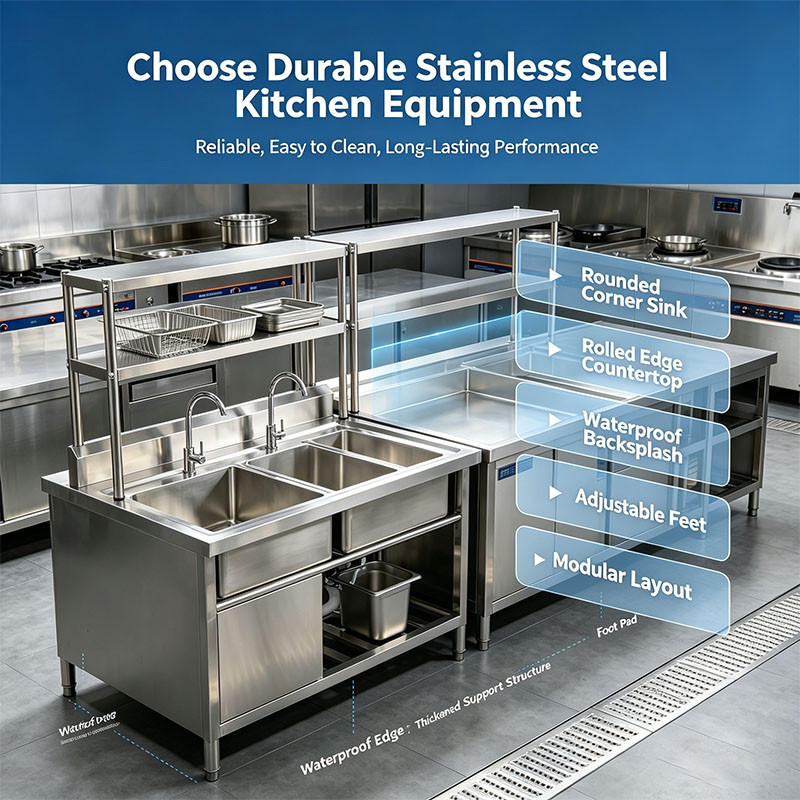
As a restaurant owner or kitchen manager, you know that equipping a commercial kitchen is one of the most significant investments for any foodservice operation. The right equipment forms the foundation for efficiency, productivity, and long-term success. In the bustling environment of a professional kitchen, where every piece of apparatus must perform under extreme conditions of heat, moisture, and constant use, selecting high-quality stainless steel commercial kitchen equipment is not just a preference but a critical necessity. This comprehensive guide will walk you through the essential factors to consider, ensuring you make informed decisions that will benefit your kitchen for years to come, safeguarding your investment and empowering your culinary team.
Key Takeaways
Choosing the right stainless steel commercial kitchen equipment is a foundational decision that significantly influences your operation's success. Here are the key takeaways from this guide to help you make a strategic and informed choice:
- Prioritize Durability and Hygiene: High-quality stainless steel is paramount for the demanding environment of a commercial kitchen. Its resistance to corrosion, heat, and impact ensures longevity and a high return on investment. The non-porous nature of stainless steel is critical for food safety, as it prevents bacteria from harboring and simplifies cleaning, helping you meet and exceed health code standards.
- Understand Stainless Steel Grades and Gauges: Not all stainless steel is created equal. The grade (like 304 or 430) determines its corrosion resistance and durability, while the gauge indicates its thickness. For food-contact surfaces and high-moisture areas, a 304-grade stainless steel is often the best choice. A lower gauge number means thicker, more durable steel, with 14 or 16-gauge being ideal for heavy-duty worktables and sinks.
- Focus on Total Cost of Ownership (TCO): Look beyond the initial purchase price. The TCO includes the long-term costs of energy consumption, maintenance, and potential repairs. Energy-efficient, ENERGY STAR-certified equipment can lead to significant savings on utility bills over its lifespan. While higher-quality equipment may have a higher upfront cost, its durability, lower maintenance needs, and energy savings often result in a lower total cost of ownership.
- Ensure Compliance and Safety: All commercial kitchen equipment must meet specific safety and sanitation standards. Look for certifications from organizations like NSF International (for sanitation) and UL (for electrical safety). Compliance is not only a legal requirement but also a crucial aspect of protecting your staff and customers.
- Design for Workflow and Efficiency: The right equipment should enhance your kitchen's workflow. Consider features like rounded edges for safety and easier cleaning, adjustable shelves for flexibility, and ergonomic designs that reduce staff fatigue. Well-designed equipment, arranged to optimize your kitchen's layout, can dramatically improve productivity and reduce operational bottlenecks.
- Build a Partnership with a Trusted Supplier: A reliable supplier is an invaluable partner. They can provide expert advice, help you select the right equipment for your specific needs, and offer crucial post-purchase support, including warranties and maintenance services. A great supplier, like Samsink, is invested in your long-term success, offering high-quality, durable solutions designed for the rigors of a commercial kitchen.
By keeping these key principles in mind, you can confidently invest in stainless steel equipment that forms a resilient, efficient, and profitable backbone for your culinary business.
The Indispensable Role of High-Quality Stainless Steel Commercial Kitchen Equipment
The choice of materials in a commercial kitchen has a direct and profound impact on daily operations, food quality, and the bottom line. Among all available options, stainless steel stands out as the undisputed champion. Its unique combination of properties makes it more than just a shiny surface; it is an essential component for creating a functional, safe, and profitable foodservice establishment. From its ability to withstand the relentless pace of a busy kitchen to its role in upholding the strictest food safety standards, high-quality stainless steel equipment is an investment that pays dividends in performance and peace of mind.
Durability and Longevity in Demanding Kitchen Environments
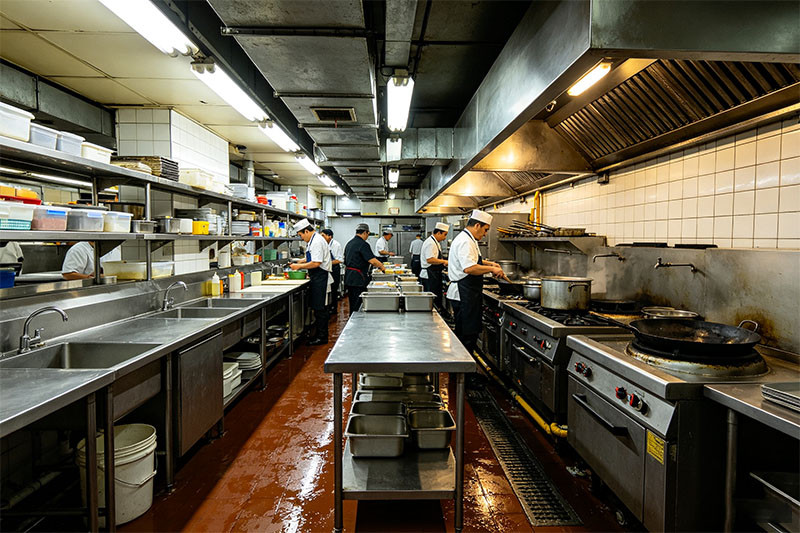
Commercial kitchens are environments of controlled chaos, characterized by high temperatures, constant moisture, heavy foot traffic, and the relentless clatter of pots and pans. Equipment in this setting must be built to last, resisting dents, scratches, and the corrosive effects of cleaning chemicals and acidic foods. This is where the inherent durability of high-quality stainless steel shines. Its robust nature ensures that worktables, sinks, and shelves can withstand the daily abuse of a high-volume operation without failing. Cheaper alternatives might seem cost-effective initially, but they often lack the resilience needed, leading to premature warping, rusting, and an overall decline in functionality that can disrupt workflow and necessitate costly replacements.
Furthermore, the longevity of stainless steel equipment is a cornerstone of its value proposition. Properly maintained stainless steel fixtures can serve a kitchen for decades, making the initial investment a predictable, long-term asset rather than a recurring operational expense. This durability ensures operational continuity, allowing chefs and staff to rely on their tools day in and day out, fostering an environment of efficiency and professionalism.
Ensuring Uncompromised Hygiene and Food Safety
In the foodservice industry, hygiene is non-negotiable. The health and safety of patrons depend on the kitchen's ability to prevent foodborne illnesses, and stainless steel is a critical ally in this effort. The key to its hygienic properties lies in its non-porous surface. Unlike materials like wood or plastic, which can develop microscopic cracks and crevices that harbor bacteria, stainless steel presents a smooth, seamless face that is remarkably easy to clean and sanitize. This makes it difficult for germs, bacteria, and pathogens like E. coli and Listeria to find a foothold, drastically reducing the risk of cross-contamination.
This quality is so vital that regulatory bodies and food safety experts universally recommend stainless steel for food contact surfaces. Organizations like NSF International certify equipment that meets stringent standards for public health protection, and stainless steel is a predominant material in certified products. Choosing NSF-certified stainless steel equipment demonstrates a commitment to the highest food safety standards, protecting both your customers and your restaurant's reputation.
Long-Term Cost-Effectiveness and Return on Investment
While the upfront cost of premium stainless steel equipment can be higher than that of other materials, it's crucial to evaluate the investment through the lens of Total Cost of Ownership (TCO). A cheaper, less durable worktable that needs to be replaced every few years represents a recurring expense that drains capital and disrupts operations. In contrast, a high-quality stainless steel table, while requiring a larger initial outlay, may last for the entire life of the restaurant. Its resistance to rust, corrosion, and damage minimizes repair and maintenance costs over its long lifespan.
This long-term value is the essence of a strong return on investment (ROI). By investing in equipment that won't need frequent replacement, you free up future capital for other business priorities. Furthermore, the efficiency and safety benefits contribute indirectly to profitability by enabling staff to work more effectively and by preventing costly incidents related to food safety or equipment failure. When viewed as a long-term asset, high-quality stainless steel equipment is not an expense but a strategic investment in the financial health and stability of your business.
Strategic Considerations When Selecting Your Stainless Steel Commercial Kitchen Equipment
Making the right choice in stainless steel equipment goes beyond simply recognizing its benefits. It requires a strategic approach that aligns your purchases with the specific operational needs of your kitchen. A well-thought-out selection process ensures that every piece of equipment not only fits physically but also integrates seamlessly into your workflow, menu, and long-term business goals. This involves a careful analysis of your space, a forward-thinking approach to energy consumption, and a thorough understanding of the regulatory landscape.
Matching Equipment to Your Menu, Volume, and Space
The first step in strategic selection is a comprehensive needs assessment. The equipment you require is directly dictated by your menu and projected business volume. A steakhouse will have different needs than a bakery or a high-volume pizzeria.
- Menu Analysis: List every item on your menu and map out the preparation process. What type of cooking, prep, and storage does each item require? This will dictate whether you need more griddle space, refrigerated prep tables, or specialized holding cabinets.
- Volume Projection: Consider your expected peak and off-peak customer volume. This determines the necessary capacity for your refrigerators, ovens, and sinks. Undersized equipment will create bottlenecks and slow down service, while oversized equipment wastes expensive space and energy.
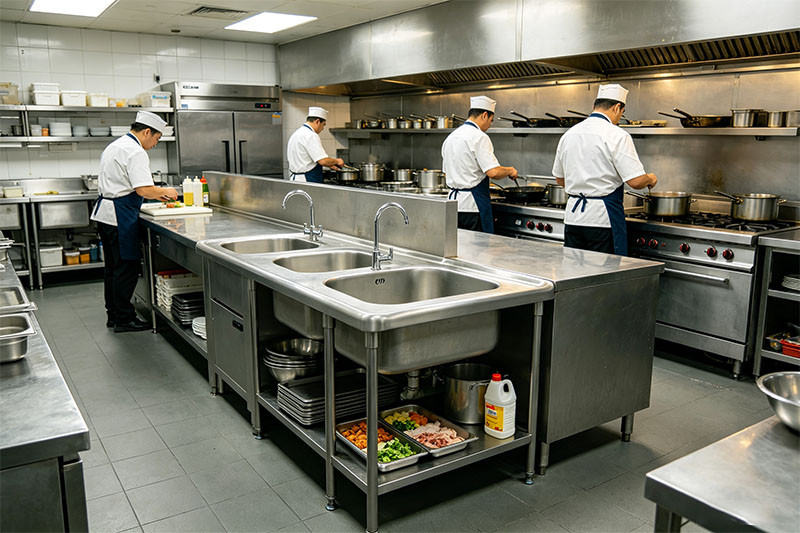
- Space Optimization: Every square foot in a commercial kitchen is valuable. You must meticulously measure your available space and plan your layout to ensure a logical and efficient workflow. Consider multifunctional equipment to save space, and always account for clearance requirements for an safe and ergonomic kitchen environment. Prioritizing a layout that promotes a smooth flow from receiving to prep, cooking, and plating can significantly enhance productivity.
Understanding Energy Efficiency and Sustainability Benefits
In an era of rising utility costs and growing environmental awareness, the energy efficiency of your kitchen equipment is a critical consideration. Commercial kitchens are notoriously energy-intensive, but modern stainless steel appliances offer opportunities for significant savings. Look for the ENERGY STAR® label, which certifies that a piece of equipment meets strict energy efficiency guidelines set by the U.S. Environmental Protection Agency.
ENERGY STAR certified equipment, such as refrigerators, freezers, ovens, and dishwashers, can be 10% to 70% more efficient than standard models, translating into substantial savings on your monthly utility bills. These appliances achieve efficiency through features like better insulation, high-efficiency compressors, and smarter controls. Beyond the cost savings, choosing energy-efficient equipment reduces your restaurant's carbon footprint, a factor that can be a valuable marketing point for eco-conscious customers. This commitment to sustainability reflects positively on your brand and contributes to a healthier planet.
Navigating Compliance and Safety Standards
The commercial food service industry is heavily regulated to protect public health and workplace safety. All equipment must comply with a complex web of local, state, and federal codes. Failure to do so can result in failed inspections, hefty fines, and even forced shutdowns.
Two of the most important certifications to look for are:
- NSF International (NSF): An NSF mark indicates that the equipment has been tested and certified to meet standards for sanitation, material safety, and design that promotes easy cleaning. Health inspectors will look for this mark on all food contact surfaces.
- Underwriters Laboratories (UL): A UL listing pertains to electrical safety. It certifies that the equipment's electrical components, wiring, and construction have been tested to prevent fire, electric shock, and other hazards. A similar certification is ETL (Intertek), which tests to the same standards.
Navigating these standards can be complex, but reputable manufacturers and suppliers will ensure their products are properly certified for commercial use. Always verify these certifications before purchase to ensure you are investing in equipment that is safe, legal, and built to the highest industry standards.
Decoding the Specifications of Stainless Steel Commercial Kitchen Equipment
Once you have a strategic plan, the next step is to dive into the technical details. Understanding the specifications of stainless steel—its grade, gauge, and construction—is crucial for selecting equipment that will deliver the performance and longevity you expect. These technical details are not just for engineers; they are practical indicators of an item's durability, suitability for a specific task, and overall quality. Making an informed decision at this level ensures you get the right tool for the job.
Choosing the Right Stainless Steel Grade and Gauge for Optimal Performance
The term "stainless steel" refers to a family of iron-based alloys, not a single material. The two most common types, or "grades," found in commercial kitchens are 304 and 430.
- 304 Stainless Steel: Often referred to as "18/8" or "18/10" (referring to its chromium and nickel content, respectively), this is the premium choice for foodservice. The inclusion of nickel gives it superior resistance to corrosion from salt, acidic foods, and harsh cleaning chemicals. It is the ideal grade for sinks, food prep tables, and any surface that will have frequent contact with food and moisture.
- 430 Stainless Steel: This is a more budget-friendly, nickel-free alternative. While still durable, its corrosion resistance is lower than that of the 304 grade. It is suitable for applications that don't involve constant exposure to moisture or corrosive substances, such as equipment stands, paneling, or backsplashes in dry areas.
Equally important is the gauge, which refers to the thickness of the steel. In a counterintuitive system, a lower gauge number means thicker, stronger, and more durable steel.
- 14-Gauge: This is a heavy-duty thickness, ideal for work surfaces that will endure heavy chopping and pounding, or for sinks that need to support heavy pots and equipment.
- 16-Gauge: A common standard for good quality worktables and sinks, offering a great balance of durability and cost.
- 18-Gauge: Lighter and more affordable, this is often used for less demanding applications like wall shelves, overhead shelving, or cabinet enclosures.
Choosing a thicker gauge (lower number) for high-impact surfaces is a wise investment in the equipment's longevity.
Below is a table to help you decide:
| Gauge Number | Thickness (approx.) | Common Applications | Durability |
|---|---|---|---|
| 14 Gauge | 1.9 mm | Heavy-duty worktables, butcher blocks, high-volume sinks | Highest |
| 16 Gauge | 1.5 mm | All-purpose worktables, equipment stands, standard sinks | High |
| 18 Gauge | 1.2 mm | Wall shelves, cabinet panels, light-duty prep surfaces | Standard |
| 20 Gauge | 0.9 mm | Paneling, light-duty storage | Moderate |
The Advantages of Welded Construction for Stainless Steel Equipment
The way a piece of stainless steel equipment is assembled is just as important as the material itself. You will typically encounter two primary methods: welded and knock-down (or bolted). For most applications in a demanding commercial kitchen, welded construction is vastly superior.
In a welded unit, the joints are fused together to create a single, solid piece. This offers several key advantages:
- Superior Strength and Stability: Welded joints are inherently stronger and more rigid than bolted connections. A welded table will not wobble or loosen over time, even under heavy use. This is crucial for safety, especially when dealing with hot liquids, sharp knives, or heavy equipment.
- Enhanced Hygiene: Welded and polished seams eliminate the tiny cracks and crevices found in bolted joints. These crevices are prime breeding grounds for bacteria and are notoriously difficult to clean. A seamless welded surface is easier to wipe down and sanitize, supporting a more hygienic environment.
- Longevity: Because bolted assemblies can loosen due to vibrations and daily wear, they require regular tightening and maintenance. Welded units, being structurally unified, eliminate this maintenance headache and are less prone to failure over their lifespan.
While knock-down equipment may be cheaper to ship and offer some modular flexibility, for core pieces like prep tables and sinks, the durability and sanitation benefits of a fully welded construction are well worth the investment.
Essential Design Features for Easy Maintenance and Workflow
Good design is about more than just aesthetics; it's about functionality, safety, and efficiency. When evaluating stainless steel equipment, look for design features that will make it easier to use and maintain.
- Coved Corners and Rolled Edges: Sink compartments with coved (rounded) corners eliminate the sharp 90-degree angles where grime accumulates, making them much easier to clean. Similarly, worktables with rolled or "marine" edges contain spills, preventing liquids from dripping onto the floor and creating a slip hazard.
- Adjustability and Modularity: Look for features like adjustable feet to level the equipment on uneven floors and adjustable shelving (or undershelves) to customize storage to your needs. Modularity allows you to configure your kitchen layout more effectively and adapt as your needs change.
- Backsplashes: Integrated backsplashes on sinks and worktables protect your walls from splashes and spills, making cleanup easier and preventing moisture damage and mold growth.
- Ergonomics: Equipment should be designed to support a safe and comfortable working posture for your staff. Consider the height of work surfaces and the accessibility of controls and storage to minimize physical strain and reduce the risk of injury.
Beyond the Purchase: Total Cost of Ownership for Stainless Steel Commercial Kitchen Equipment
A savvy operator knows that the sticker price of a piece of equipment is only the beginning of the story. The true cost emerges over the lifetime of the product. This concept, known as the Total Cost of Ownership (TCO), encompasses not only the initial purchase price but also all ongoing expenses, including energy use, maintenance, repairs, and even eventual replacement. Evaluating stainless steel equipment through the lens of TCO provides a more accurate financial picture and leads to smarter, more profitable long-term decisions.
Factoring in Energy, Maintenance, and Future Growth
To accurately calculate TCO, you must consider several post-purchase factors that will impact your budget for years to come.
- Energy Consumption: As previously discussed, energy-efficient models are crucial. An appliance with a higher upfront cost but significantly lower annual energy consumption can save you thousands of dollars over its lifespan, resulting in a much lower TCO. Always compare the ENERGY STAR ratings and estimated annual operating costs when choosing between models.
- Maintenance and Repair Costs: High-quality equipment, with its durable construction and reliable components, generally requires less frequent and less costly maintenance. Cheaper equipment is more prone to breakdowns, leading not only to repair bills but also to costly downtime in the kitchen, lost revenue, and staff frustration. Consider the availability and cost of replacement parts when making your selection.
- Planning for Future Growth: Your business is not static. When selecting equipment, think about your growth plans. Will your current volume double in the next three years? Investing in a slightly larger or more powerful piece of equipment now may prevent the need for a costly complete replacement down the road. Modularity and scalability are key features that can lower the future cost of expansion.
Avoiding Common Mistakes in Equipment Procurement
Procuring kitchen equipment is a high-stakes process where mistakes can be costly and long-lasting. By being aware of common pitfalls, you can navigate the process more effectively.
- Prioritizing Price Over Value: The single most common mistake is choosing the cheapest option without considering its long-term performance and durability. This often leads to a cycle of repair and replacement, a phenomenon known as "buying it twice." Remember to focus on TCO, not just the initial price tag.
- Ignoring Workflow and Ergonomics: Buying equipment without considering how it fits into your kitchen's layout and workflow can create major inefficiencies. A poorly placed refrigerator or a worktable at the wrong height can create bottlenecks, increase staff fatigue, and even lead to workplace injuries. Meticulous planning of your kitchen layout is essential.
- Failing to Verify Measurements: A classic and entirely avoidable error. Always "measure twice, cut once." Measure your doorways, hallways, and the final installation space to ensure the equipment will not only fit in its designated spot but can also be delivered into the building without issue.
- Overlooking Warranty and Service: A strong warranty is a sign that the manufacturer stands behind its product. Understand the terms of the warranty—what it covers, for how long, and what the service process entails. A weak warranty or a lack of accessible service technicians can turn a minor issue into a major problem.
The Value of Trusted Suppliers and Expert Partnerships
In a complex field like commercial kitchen equipment, you don't have to be an expert in everything—but you should partner with people who are. A reputable and knowledgeable supplier is one of your most valuable assets in the procurement process.
A trusted supplier does more than just sell you a box. They act as a consultant, using their industry experience to:
- Guide Your Selection: They can help you analyze your menu, volume, and space to recommend the right equipment with the right specifications for your unique needs.
- Navigate Compliance: They are knowledgeable about local health and safety codes and can ensure the equipment you purchase is fully compliant.
- Provide Post-Sale Support: The relationship doesn't end after the sale. A good partner will assist with installation, provide training for your staff, and facilitate warranty claims and service calls, ensuring you get the most out of your investment.
Building a long-term relationship with a supplier you trust provides ongoing support and peace of mind. For those looking to outfit their kitchen with durable, high-performance equipment, exploring the range of solutions from a dedicated manufacturer like Samsink is an excellent step. A specialized company like Samsink understands the rigors of the commercial kitchen and can be the expert partner you need to ensure success. Visit the Samsink website or contact our team today to discuss your project and discover a range of stainless steel solutions designed for maximum durability, hygiene, and performance.
Frequently Asked Questions (FAQ)
1. What is the difference between 304 and 430 grade stainless steel, and which one should I choose? The main difference between these two common grades is their composition and, consequently, their performance. 304-grade stainless steel contains a significant amount of chromium and nickel, which gives it superior resistance to rust and corrosion, especially from acids and salt. This makes it the ideal choice for high-moisture and food-contact surfaces like sinks, prep tables, and dish tables. 430-grade stainless steel is a nickel-free, more affordable option. While still durable, its corrosion resistance is lower. It's best suited for dry applications or surfaces that won't have prolonged contact with corrosive substances, such as equipment stands, backsplashes in dry areas, or exterior paneling. For any core kitchen component that will be regularly exposed to water, food, and cleaning chemicals, investing in 304 grade is the recommended and safer long-term choice.
2. How does the gauge (thickness) of stainless steel affect its performance and cost? The gauge of stainless steel refers to its thickness, with a lower number indicating thicker, more durable steel. For example, 14-gauge steel is thicker and stronger than 18-gauge steel. The thickness directly impacts the equipment's durability, resistance to dents, and ability to bear weight.
- 14-Gauge: This is heavy-duty and best for high-impact uses, like worktables for butchering or sinks that will hold heavy pots.
- 16-Gauge: A very common and reliable choice for general-purpose worktables and sinks, offering an excellent balance of strength and cost.
- 18-Gauge: Lighter and less expensive, this is suitable for less demanding applications like wall shelves or cabinet enclosures. While higher-gauge (thinner) steel is cheaper, it can easily dent and may wobble under heavy loads. For fundamental work surfaces, investing in a lower gauge (14 or 16) is a wise decision that enhances longevity and safety.
3. What are NSF and UL certifications, and why are they important for commercial kitchen equipment? NSF International and Underwriters Laboratories (UL) are third-party organizations that provide critical certifications for commercial kitchen equipment, ensuring they meet specific safety and sanitation standards.
- NSF Certification: This focuses on public health and sanitation. An NSF mark means the equipment is designed and constructed in a way that promotes food safety—it's easy to clean, made from non-toxic materials, and resistant to bacterial growth. Health inspectors will always look for the NSF mark on your equipment.
- UL Certification: This relates to electrical safety. A UL mark indicates that the product's electrical components have been tested and meet safety standards to prevent fire and electric shock hazards. These certifications are not optional; they are often required by local health and building codes. Purchasing certified equipment is essential for passing inspections, ensuring the safety of your staff and customers, and protecting your business from liability.
4. What are the key benefits of welded construction over "knock-down" or bolted equipment? Welded construction means the equipment's joints are fused together into a single, permanent unit, while knock-down equipment is shipped in pieces and bolted together on-site. For most primary kitchen equipment, welded construction is far superior. The main benefits are strength and hygiene. Welded units are incredibly rigid and stable, and they won't loosen or wobble over time. From a sanitation perspective, the seamless welded joints eliminate cracks and crevices where food particles and bacteria can accumulate, making them much easier to clean and sanitize. While knock-down equipment may be cheaper initially, the long-term stability, durability, and superior hygiene of welded equipment make it a much better investment for the core components of any professional kitchen.
Conclusion
As we've explored, selecting high-quality stainless steel commercial kitchen equipment is a complex but crucial decision that profoundly impacts your kitchen's efficiency, food quality, and overall profitability. It is a strategic choice that extends far beyond surface appeal, influencing everything from daily workflows and staff morale to customer safety and your brand's reputation.
By focusing on the core principles of durability, hygiene, regulatory compliance, and the total cost of ownership, you can move beyond short-term savings and make strategic investments that ensure optimal performance and a strong, lasting return. Avoiding common pitfalls like prioritizing price over value and failing to plan for workflow allows you to build a foundation of excellence.
Ultimately, investing in the right stainless steel equipment from a trusted partner like Samsink helps you build a resilient, compliant, and highly productive kitchen. It empowers your culinary team with the reliable tools they need to create exceptional food, ensuring your business not only survives but thrives for years to come. By making these informed choices today, you are paving the way for a more efficient, safe, and successful future.