Maximizing Versatility: The Benefits of a Multi-Purpose Commercial Drop-In Sink
- Share
- Issue Time
- Aug 31,2026
Summary
Commercial kitchens rely heavily on specialized equipment, with the multi-purpose commercial drop-in sink being a critical, often overlooked, component for operational success. These sinks are designed to maximize workspace versatility, boost efficiency, and uphold stringent hygiene standards. A core advantage is their adaptability, offering varied materials, sizes, and compartment configurations, crucially including multi-compartment setups needed for health department compliance, such as three
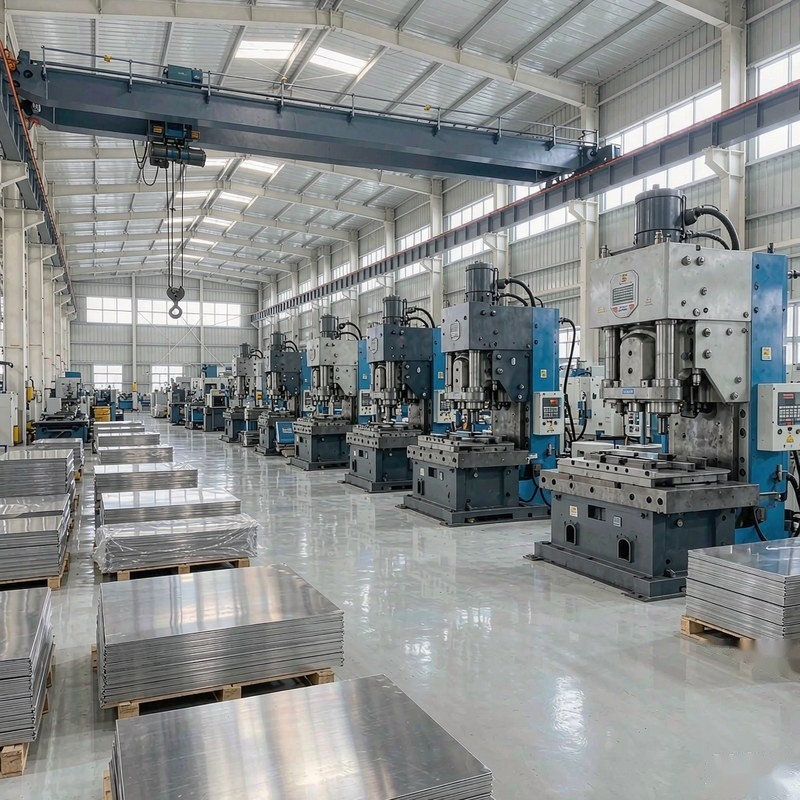
As someone deeply involved in the world of commercial kitchens, I understand that choosing the right equipment is crucial for success. One decision that often gets overlooked, but is incredibly important, is selecting the perfect sink for your operations. In an industrial setting, our sinks endure harsh conditions and heavy use, acting as true workhorses.
Today, I want to talk about the unsung hero of many commercial kitchens: the multi-purpose commercial drop-in sink. We'll explore how these sinks can maximize the versatility of your workspace, boost efficiency, and ensure critical hygiene standards are met. This isn't just about washing dishes; it's about optimizing your entire kitchen workflow.
Key Takeaways
For busy professionals, here are the essential benefits of integrating a multi-purpose commercial drop-in sink into your workspace:
- Unmatched Versatility: These sinks are highly adaptable, with various materials, sizes, and compartment configurations available. A multi-compartment setup allows for a seamless workflow, enabling staff to prep, wash, rinse, and sanitize in a single, organized station, which is often a requirement by local health departments.
- Simplified Installation: The drop-in design, with its self-rimming edge, makes installation significantly easier and more cost-effective than other sink types. It rests directly on the countertop, requiring only a simple cutout and securing, minimizing labor costs and downtime.
- Exceptional Durability: Primarily constructed from heavy-duty stainless steel, particularly 16-gauge, these sinks are built to withstand the intense demands of a commercial environment. This material offers superior resistance to corrosion, impacts, and high temperatures, ensuring a long service life.
- Enhanced Hygiene: The non-porous surface of stainless steel prevents bacteria from harboring, making it easy to clean and sanitize. Coved corners, a feature in quality sinks, eliminate 90-degree angles where germs and debris accumulate, further promoting a safe and sanitary food preparation area that meets strict health codes.
- Optimized Workflow and Value: Features like deep basins accommodate large pots and pans, while integrated drainboards and accessories streamline kitchen tasks. This efficiency, combined with the sink's durability and relatively low initial cost, provides excellent long-term value and a significant return on investment.
Unlocking Adaptability: The Versatility of a Commercial Drop-in Sink
The modern commercial kitchen is a dynamic environment that demands equipment capable of performing multiple roles. The commercial drop-in sink is a prime example of such adaptability. These are not merely places to wash hands or dishes; they are integral workstations that can be tailored to the unique workflow of any foodservice operation, from a bustling restaurant to a school cafeteria or hospital. Their design is inherently versatile, intended to fit seamlessly into countertops to provide a functional and hygienic workspace. This integration is key to maximizing efficiency in environments where every second and square inch counts.
Leading manufacturers offer a wealth of customization options, allowing kitchen managers to create a sink that perfectly matches their operational needs. You can specify everything from the number of compartments and bowl dimensions to the type of metal and placement of drainboards. This ability to configure a sink for industrial-scale use while maintaining a level of artisan craftsmanship is what sets high-quality commercial sinks apart. A well-chosen drop-in sink becomes more than just a fixture; it becomes a cornerstone of kitchen productivity, sanitation, and workflow optimization.
Customization to Fit Every Need
No two kitchens are exactly alike, and a one-size-fits-all approach to equipment is rarely effective. This is where the profound customization potential of commercial drop-in sinks truly shines. The ability to tailor a sink to your specific processes is its greatest strength. Do you run a high-volume dishwashing operation? A three or four-compartment sink might be essential. Do you need a compact prep area in a small cafe? A single, deep-basin drop-in sink could be the perfect solution.
Brands that specialize in commercial applications, such as the highly-regarded Sansink, understand that customization is not a luxury but a necessity. They provide options to select features that streamline workflow, such as integrated drainboards for air-drying, various faucet configurations, and even different backsplash heights to protect walls. This level of personalization ensures that the sink you install is not just a piece of equipment, but a purpose-built tool designed to enhance your kitchen's unique rhythm and flow.
Diverse Material Options
The material of a commercial sink is a critical decision that impacts its durability, hygiene, and long-term value. While several options exist, one material stands as the undisputed champion for most professional kitchens.
Stainless Steel: This is the industry standard, and for good reason. Stainless steel, particularly Type 304 (also known as "18/8" for its 18% chromium and 8% nickel content), offers an unparalleled combination of durability, hygiene, and corrosion resistance. Its non-porous surface is easy to clean and sanitize, preventing the growth of bacteria and ensuring it can withstand harsh cleaning chemicals and extreme temperatures without degrading. For most food service applications, Type 304 is the cost-effective and reliable choice. In environments with high salinity or exposure to potent chemicals, such as coastal areas or certain processing plants, Type 316 stainless steel provides even greater corrosion resistance due to the addition of molybdenum.
Composite Granite: Gaining popularity, composite granite sinks are made from a mixture of crushed natural stone and resin. This creates a highly durable, non-porous surface that is resistant to scratches, heat, and stains. One of their key advantages is aesthetics, as they are available in a variety of colors and finishes, allowing for greater design flexibility. They also tend to be quieter than stainless steel sinks. However, they can be susceptible to damage from harsh chemicals and may be more expensive upfront.
Cast Iron: These sinks feature a core of heavy cast iron coated in a thick layer of enamel. They are exceptionally durable and have a classic, high-end appearance. The enamel provides a smooth, glossy, and easy-to-clean surface. The primary drawback is that the enamel can chip or scratch if heavy objects are dropped, exposing the iron underneath to potential rust.
| Material | Durability | Hygiene | Heat Resistance | Maintenance | Cost |
|---|---|---|---|---|---|
| Stainless Steel | Excellent | Excellent | Excellent | Easy | Moderate |
| Composite Granite | Very Good | Excellent | Good | Moderate | High |
| Cast Iron (Enameled) | Good | Very Good | Very Good | High (prone to chipping) | High |
For the vast majority of commercial applications, stainless steel remains the superior choice, balancing performance, longevity, and cost-effectiveness. Its proven track record in the most demanding kitchen environments makes it the go-to material for professionals.
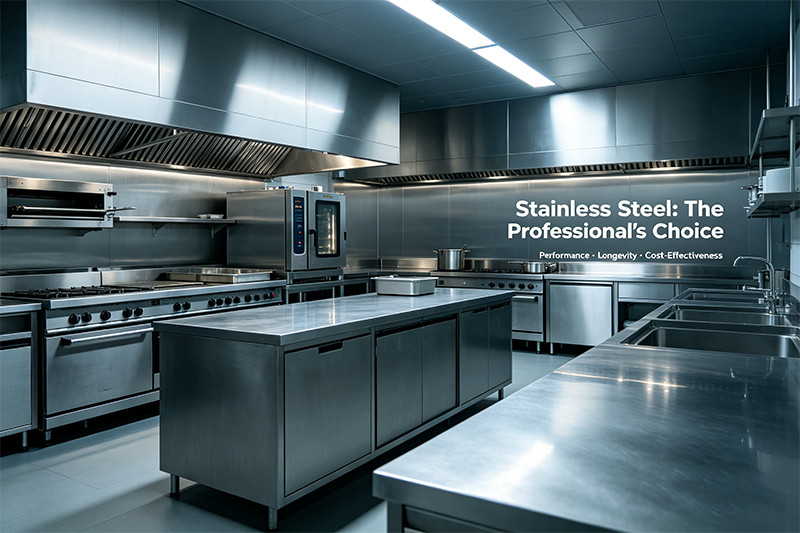
Multi-Compartment Advantages for Varied Tasks
The efficiency of a commercial kitchen is often determined by its workflow. A multi-compartment drop-in sink is specifically designed to streamline this workflow by creating a dedicated, linear process for cleaning and preparation. The most common configuration, the three-compartment sink, is a staple in the industry and is frequently required by health departments to ensure food safety.
This setup allows staff to follow a logical and hygienic sequence:
- Wash: The first compartment is filled with hot, soapy water for scrubbing dishes, pots, and utensils.
- Rinse: The second compartment contains clean water for rinsing away all soap residue.
- Sanitize: The third compartment holds a chemical sanitizing solution or very hot water to kill any remaining bacteria.
This separation of tasks is critical for preventing cross-contamination and ensuring that all wares are cleaned to health code standards. Sinks with two compartments also offer enhanced flexibility over a single basin, allowing for the separation of tasks like washing produce and rinsing dishes. Four-compartment sinks provide even greater versatility, perhaps adding a pre-soak basin for heavily soiled items. By designating each compartment for a specific purpose, you create an organized, efficient system that saves time and keeps the kitchen running smoothly, especially during peak hours.
Supporting Food Prep, Washing, and Sanitizing
A multi-purpose sink station is the backbone of a safe and efficient kitchen, but it's crucial to use it correctly to comply with health regulations and prevent foodborne illness. According to the FDA Food Code, the multi-compartment sink used for warewashing has a very specific purpose and must be kept separate from other kitchen tasks to avoid cross-contamination.
The standard procedure for a three-compartment sink involves a five-step process:
- Scrape: Before washing, all excess food debris must be scraped from dishes into a garbage disposal or trash bin.
- Wash: In the first compartment, items are scrubbed in hot, soapy water. The FDA recommends a minimum water temperature of 110°F (43°C) to effectively break down grease and grime.
- Rinse: In the second compartment, all soap and detergent residue is rinsed off with clean, warm water. Any leftover soap can neutralize the sanitizer in the next step, making this rinse critical.
- Sanitize: In the third compartment, cleaned and rinsed items are fully submerged in either a chemical sanitizing solution for a specific contact time or in water heated to at least 171°F (77°C) for a minimum of 30 seconds.
- Air Dry: Finally, all items must be placed on a clean drainboard or rack to air dry completely. Towel drying is prohibited as it can reintroduce bacteria onto the sanitized surfaces.
It is a major health code violation to use a warewashing sink for other activities like handwashing, dumping mop water, or even certain food prep tasks. Health departments mandate that separate, dedicated sinks be used for handwashing and food preparation (like washing produce or thawing meat). This strict separation is vital to create clear zones in the kitchen and prevent pathogens from unwashed hands or raw foods from contaminating clean dishes.
Streamlined Setup: The Ease of Installing a Commercial Drop-in Sink
When upgrading or outfitting a commercial kitchen, minimizing downtime is a top priority. Every hour the kitchen is out of commission can translate to lost revenue and productivity. One of the most significant advantages of a commercial drop-in sink, also known as a top-mount or self-rimming sink, is its straightforward and rapid installation process.
Compared to undermount sinks, which require complex mounting, precise cutouts, and professional installation to ensure a perfect seal and adequate support, drop-in sinks are remarkably simple. This ease of installation makes them a budget-friendly and efficient choice, especially for retrofits or projects with tight timelines. The design itself is user-friendly, catering to both professional installers and skilled DIYers, which adds to its cost-effectiveness. In environments like seasonal businesses or labs where equipment may be swapped out, the non-invasive nature of a drop-in sink installation is a major operational benefit.
Simple Countertop Placement
The name "drop-in" perfectly describes the installation method. The process involves just a few key steps:
- Cutting the Opening: A hole is cut into the countertop according to the manufacturer's template. Unlike undermount sinks where the cutout edge is exposed and must be perfectly polished, the drop-in sink's rim will cover the edge of this cut, allowing for more tolerance.
- Placing the Sink: The sink is then simply "dropped" into the prepared opening. Its weight is supported by the visible rim that rests on the top surface of the counter.
- Sealing and Securing: A bead of silicone sealant is applied under the sink's rim to create a watertight seal between the sink and the countertop. This prevents moisture from seeping underneath and causing damage or creating a space for mold growth. Mounting clips are then tightened from below to pull the sink snugly against the countertop, ensuring a secure and stable fit.
This method is compatible with a wide array of countertop materials, including laminate and tile, which often cannot support the weight or installation requirements of an undermount sink. The rim of the drop-in sink actually helps protect the vulnerable edges of these softer countertop materials from chipping and water damage.
Minimal Support Requirements and Faster Installation
A key distinction of the drop-in sink is that its entire weight is borne by the countertop itself, distributed across the sink's rim. This design eliminates the need for the complex internal support structures, specialized brackets, or heavy-duty adhesives required to mount an undermount sink from below.
This simplified structural requirement directly translates to a faster and less labor-intensive installation. There's no need to build custom bracing inside the cabinet or wait for industrial adhesives to cure. Once the sealant is applied and the clips are tightened, the sink is essentially ready for the plumbing to be connected. This reduction in complexity and time saves significantly on labor costs and allows the kitchen to become operational much more quickly—a critical advantage in the fast-paced food service industry.
Built to Last: Durability and Hygiene in a Commercial Drop-in Sink
In a commercial kitchen, equipment failure is not an option. Sinks, in particular, are subjected to relentless abuse—from the impact of heavy pots and pans and the abrasion of constant scrubbing to exposure to high temperatures and harsh cleaning chemicals. This is why investing in a sink built for durability and hygiene is one of the most critical decisions a kitchen manager can make. Stainless steel is the undisputed material of choice for its ability to withstand these rigors, and a well-constructed sink can be expected to last for 15 to 30 years with proper maintenance. This longevity makes it a cost-effective choice that provides exceptional long-term value.
Hygiene is equally paramount. A commercial sink must not only be durable but also support the highest standards of cleanliness to prevent foodborne illnesses and pass health inspections. The non-porous nature of stainless steel is its greatest hygienic advantage; it prevents bacteria, dirt, and fungi from embedding in the surface, making it easy to clean and sanitize effectively. Choosing a sink with features designed for sanitation, such as coved corners that eliminate germ-trapping crevices, further ensures a safe and healthy kitchen environment.
The Strength of Stainless Steel: Gauge Matters
When evaluating a stainless steel sink, one of the most important specifications to consider is its gauge. In the world of sheet metal, the gauge number has an inverse relationship with thickness: the lower the gauge number, the thicker and more durable the steel. For example, 16-gauge stainless steel is thicker and stronger than 18-gauge steel.
This difference in thickness has a direct impact on the sink's performance and lifespan:
- Dent and Scratch Resistance: Thicker steel is inherently more resistant to dents and dings from dropped pots, pans, and other heavy equipment.
- Vibration and Bowing: A thicker gauge provides greater rigidity, which means the sink is less likely to vibrate or bow under the weight of heavy, water-filled pots.
- Noise Reduction: Thicker metal absorbs sound more effectively, reducing the clanging and clatter associated with washing dishes and utensils.
While a residential sink might be made from 18 or even 20-gauge steel, commercial environments demand more. The constant, intensive wear and tear of a professional kitchen necessitates a thicker, more robust material to hold up over time.
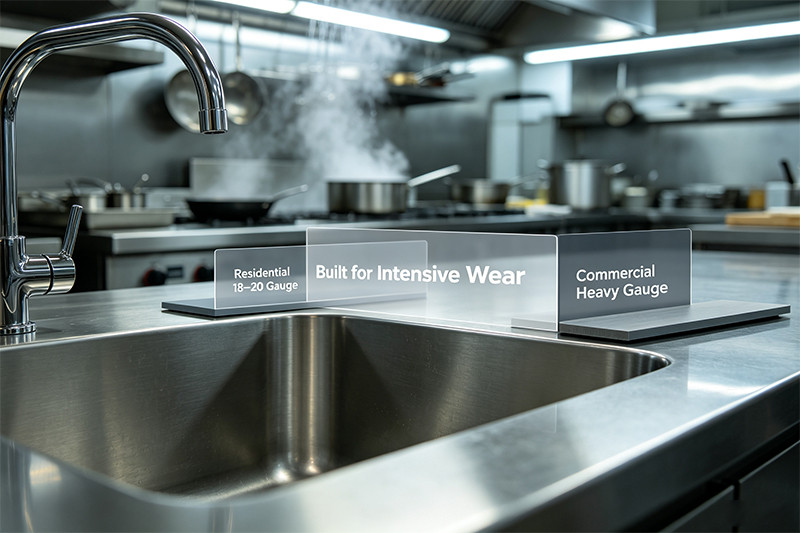
Why 16-Gauge is Our Top Recommendation
For most commercial applications, 16-gauge stainless steel is the gold standard. It strikes the perfect balance between heavy-duty durability, performance, and cost-effectiveness.
An 18-gauge sink may be sufficient for very light-duty applications, but it will not hold up to the rigors of a high-volume restaurant, bakery, or industrial space. Conversely, while even thicker 14-gauge steel offers maximum durability, it is often more than what's needed for typical kitchen operations and comes at a significantly higher price point.
Therefore, we, along with many industry experts, consider 16-gauge the minimum for any serious commercial kitchen. It's strong enough to handle daily abuse for years without denting or warping, providing the long-term reliability and premium feel that professionals expect. Leading manufacturers like Sansink focus on producing sinks from high-quality, 16-gauge, Type 304 stainless steel, ensuring their products are built to perform and last in the most demanding settings.
Corrosion Resistance and Easy Maintenance
Stainless steel's "stainless" quality comes from its chromium content. When exposed to oxygen, the chromium forms a thin, invisible, and passive layer of chromium oxide on the steel's surface. This passive film is self-healing and acts as a powerful barrier, protecting the iron in the steel from rust and corrosion.
Type 304 stainless steel, with its composition of approximately 18% chromium and 8% nickel, offers excellent corrosion resistance against the wide variety of food acids and cleaning solutions found in a commercial kitchen. While it is highly resistant to rust, it's not entirely rust-proof. Proper maintenance is key to preserving its protective layer and appearance.
Here are some simple do's and don'ts for maintaining your stainless steel sink:
- DO rinse the sink thoroughly after each use to remove any soap or food residues, which can cause discoloration if left to sit.
- DO clean regularly with a soft cloth, warm water, and mild dish soap. For a deeper clean, non-abrasive cleaners like Bar Keepers Friend are highly effective.
- DO always scrub in the direction of the metal's grain lines to avoid scratching the finish.
- DO dry the sink with a soft towel after cleaning to prevent water spots and mineral deposits from forming.
- DON'T use steel wool, carbon steel brushes, or highly abrasive scouring pads, as they can scratch the surface and leave behind iron particles that can lead to rust.
- DON'T let harsh chemicals like bleach sit in the sink for extended periods, as they contain chlorides that can damage the passive layer.
- DON'T leave wet sponges or cleaning cloths in the sink, as this can trap moisture and lead to surface rust.
With simple, consistent care, a quality stainless steel sink will maintain its integrity and appearance for decades.
Promoting a Healthy Kitchen Environment
The sink is a critical control point for hygiene in a commercial kitchen. A recent USDA study found that the kitchen sink was one of the most frequently contaminated surfaces during meal preparation, with 34% of sinks testing positive for bacteria after use. This highlights the immense risk of cross-contamination. Bacteria from unwashed produce or raw meat can linger in the sink and then transfer to other foods, utensils, or hands.
Choosing the right sink and using it correctly is fundamental to mitigating this risk. This is where NSF International certification becomes vital. NSF (formerly the National Sanitation Foundation) is an independent organization that tests and certifies products to ensure they meet strict public health and safety standards. For a commercial sink, NSF/ANSI Standard 2 certification signifies that it is designed and constructed for safety and cleanability.
Key features of an NSF-certified sink include:
- Non-Porous Materials: The sink must be made from a material like Type 304 stainless steel that won't harbor bacteria.
- Hygienic Design: The design must be free of cracks or crevices where germs can hide. This often includes coved (rounded) interior corners that allow for thorough cleaning and prevent the buildup of bacteria.
- Smooth Welds: All welds and joints must be smooth to ensure there are no gaps for food particles and bacteria to accumulate.
By investing in an NSF-certified commercial drop-in sink, you are not just buying a piece of equipment; you are implementing a critical tool for food safety, protecting your customers and your business's reputation.
Optimizing Performance: Advanced Features of a Commercial Drop-in Sink
Beyond the basics of material and installation, the true performance of a commercial drop-in sink is defined by its features. Modern sinks are no longer just passive basins; they are engineered workstations designed to actively enhance kitchen efficiency, improve ergonomics, and provide a greater return on investment. Manufacturers have developed a range of advanced features that address the specific challenges of high-volume food service operations. From basin depth to integrated accessories, these elements are designed to optimize every movement and task performed at the sink station. By carefully selecting a sink with the right combination of features, you can create a more productive, safer, and more cost-effective kitchen environment.
Deep Basins for High-Volume Operations
One of the most impactful features for a busy kitchen is the depth of the sink basins. Commercial drop-in sinks typically feature significantly deeper bowls than their residential counterparts, and for good reason. The advantages of a deep basin are numerous:
- Increased Capacity: A deeper bowl can accommodate large, cumbersome items like stock pots, mixing bowls, and full-size sheet pans, which are difficult or impossible to wash in a shallow sink. This is crucial for bakeries and high-volume restaurants.
- Reduced Splashing: The high walls of a deep sink contain splashes when washing large items or when the faucet is running at high pressure, keeping the surrounding floors and countertops drier and safer.
- Concealment of Dishes: In open or semi-open kitchen designs, a deep basin helps to hide stacks of dirty dishes from the view of customers, maintaining a cleaner and more professional appearance.
- Multipurpose Soaking: The large volume allows for soaking multiple items at once, which can save water and time.
While standard residential sinks are often 8-10 inches deep, commercial sink basins typically range from 12 to 14 inches deep, with some specialized models going even deeper. The ability to fully submerge the largest piece of cookware is not just a convenience—it's often a health code requirement for the sanitizing step. A 14-inch deep bowl, for instance, holds substantially more water than a 10-inch bowl, helping to maintain proper water temperatures and sanitizer concentrations for longer periods during a busy shift.
Integrated Features for Enhanced Workflow
To further boost productivity, many commercial sinks come equipped with integrated features that create a more cohesive and efficient workspace. These are not mere add-ons but are thoughtfully designed components that streamline the entire prep, wash, and clean-up process.
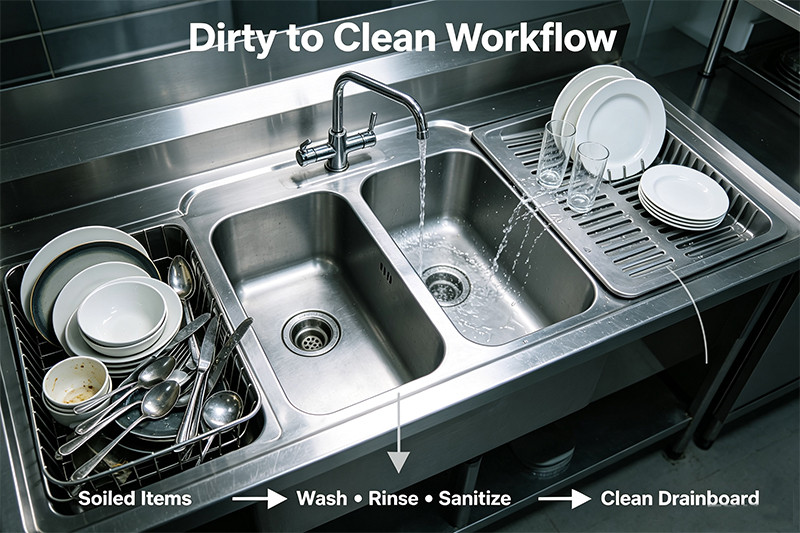
One of the most valuable integrated features is the drainboard. A sink with one or two attached drainboards provides a dedicated, sloped surface for air-drying freshly washed items. This creates a clear "dirty-to-clean" workflow, where soiled items are staged on one side, moved through the wash-rinse-sanitize compartments, and then placed on the clean drainboard to dry. This system is far more efficient and hygienic than moving wet items to a separate drying rack, which can lead to drips and re-contamination. The grooves on the drainboard are designed to channel water directly back into the sink, keeping the work area tidy.
Practical Examples: Dividers and Adjustable Feet
Sink Dividers: Within a single large basin, removable or low-profile sink dividers can add a layer of organization. A low divider, for example, combines the benefits of a single-bowl sink (ample room for large pans) with the task separation of a double-bowl sink. It allows you to wash dishes on one side while rinsing produce on the other, all while being able to easily fit the handle of a large pot across the top.
Sink Protection Grids: Stainless steel grids that sit at the bottom of the basin are another invaluable accessory. They protect the sink's surface from scratches and dents, allow water to drain freely even when the sink is full of dishes, and provide a clean, elevated surface for rinsing vegetables.
Adjustable Feet: For freestanding or cabinet-based drop-in models, adjustable bullet feet are a crucial feature. Kitchen floors are rarely perfectly level, and these feet allow you to fine-tune the height at each corner, ensuring the sink is stable and preventing wobbling. A perfectly level sink is also essential for ensuring proper and complete drainage.
Cost-Effectiveness for Long-Term Value
While it may be tempting to opt for a cheaper, lower-quality sink to save on initial costs, this approach is often a false economy in a commercial setting. The true cost of a piece of kitchen equipment is its Total Cost of Ownership (TCO), which includes not only the purchase price but also maintenance, repairs, and potential replacement costs over its lifespan.
Investing in a high-quality, durable commercial drop-in sink from a reputable brand like Sansink provides a much better return on investment (ROI). Here’s why:
- Reduced Replacement Costs: A robust sink made from 16-gauge stainless steel can last for 15-30 years, whereas a cheaper, thinner-gauge sink might need to be replaced multiple times in the same period. The cost of a single replacement, including the new unit, labor, and operational downtime, can easily exceed the initial savings.
- Lower Maintenance and Repair Costs: Durable construction means fewer dents to repair and less likelihood of structural failure. Equipment downtime in a restaurant, even for a few hours, can result in hundreds or thousands of dollars in lost revenue.
- Increased Efficiency: Features like deep basins and integrated drainboards save labor time, which is one of the biggest operational expenses in a kitchen. If a well-designed sink setup saves even 30 minutes of labor per day, the annual savings can be substantial.
- Higher Resale Value: Quality, NSF-certified equipment retains its value better over time. Should you decide to upgrade or sell your equipment, a high-quality sink will command a much better price than a no-name, lower-grade model.
Ultimately, a commercial sink is not an expense but an investment in your kitchen's productivity, safety, and longevity. Choosing a model that is built to last and designed for efficiency will pay dividends for years to come.
Frequently Asked Questions (FAQ)
1. What is the difference between a drop-in sink and an undermount sink?
The primary difference lies in the installation method and final appearance. A drop-in sink (or top-mount) is installed from above, with its rim resting on the countertop, which supports its weight. This method is simpler, more affordable, and compatible with all countertop materials, including laminate. An undermount sink is installed from below the counter, creating a seamless look where the countertop edge flows directly into the sink basin. This offers easier cleanup but requires a solid-surface countertop (like granite or quartz), professional installation, and is typically more expensive.
2. How many compartments do I need for my commercial kitchen sink?
This depends on your specific operations and local health code requirements.
- One-Compartment Sink: Best for very small spaces, food trucks, or for a dedicated purpose like a prep sink for washing vegetables, separate from the main warewashing station.
- Two-Compartment Sink: Offers more flexibility for separating tasks, such as washing and rinsing, or for keeping food prep and dish-rinsing separate.
- Three-Compartment Sink: This is the industry standard and often a legal requirement for manual warewashing. It allows for the mandatory wash, rinse, and sanitize process, which is critical for food safety and health code compliance.
- Four-Compartment Sink: Provides additional flexibility, often using the extra basin for pre-soaking heavily soiled pots and pans, which keeps the main wash water cleaner for longer.
Always check with your local health department to ensure you are compliant with their specific regulations.
3. What does NSF certification mean for a commercial sink and why is it important?
NSF (National Sanitation Foundation) certification is a seal of approval indicating that a sink meets strict standards for public health and safety. For a commercial sink, this means it has been tested and verified to be:
- Made from Safe Materials: Constructed from non-toxic, corrosion-resistant materials (like Type 304 stainless steel) that won't leach harmful chemicals.
- Designed for Cleanliness: Features smooth surfaces, coved (rounded) corners, and seamless welds to prevent bacteria from accumulating in cracks and crevices, making it easy to clean and sanitize effectively.
- Durable: Built to withstand the rigors of a commercial environment.
NSF certification is important because it ensures the sink is hygienic, helps you pass health inspections, and demonstrates a commitment to food safety, protecting both your customers and your business's reputation.
4. How do I prevent my stainless steel sink from rusting or scratching?
While high-quality Type 304 stainless steel is highly resistant to rust and corrosion, it's not completely immune.
- To prevent rust: Avoid prolonged contact with harsh chemicals like bleach. Don't use steel wool for cleaning, as it can leave behind iron particles that will rust. Rinse the sink well after use, especially after contact with salty or acidic foods.
- To prevent scratches: Avoid using abrasive scouring pads. Always clean in the direction of the metal's grain. A stainless steel sink grid placed at the bottom of the basin is the best way to protect the surface from scratches and dents caused by heavy pots and utensils.
For routine cleaning, simple dish soap and water are sufficient. For tougher stains or to restore shine, use a non-abrasive cleaner like Bar Keepers Friend and a soft cloth.
From enhancing versatility and simplifying installation to providing unmatched durability and hygiene, the right multi-purpose commercial drop-in sink is an invaluable asset to any commercial kitchen. It's more than just a fixture; it's a foundation for efficiency, cleanliness, and long-term savings, helping your business thrive. The ability to customize a sink from a quality manufacturer like Sansink ensures that this foundational piece of equipment is perfectly aligned with your unique operational needs, supporting your staff and elevating your workflow.
When you're equipping or upgrading your professional kitchen, I strongly encourage you to consider the specific benefits a high-quality commercial drop-in sink brings. Investing in the best solution for your needs will empower your team and elevate your operation. Ready to find the perfect sink for your kitchen? Explore the durable and versatile range of commercial drop-in sinks from Sansink today to build a more efficient and hygienic workspace.