One Standard, Two Factories: Inside the Quality System Behind Samsink's Foshan & Bangkok Plants
- Share
- publisher
- Samsink Quality & Engineering Team
- Issue Time
- Sep 9,2026
Summary
How does a sink manufacturer keep quality identical across two countries? This guide walks inside Samsink's Foshan and Bangkok plants to show the shared 304/316 steel spec, 500+ molds, and the five quality gates every sink crosses, plus what dual-base manufacturing means for lead times, risk, and auditability.
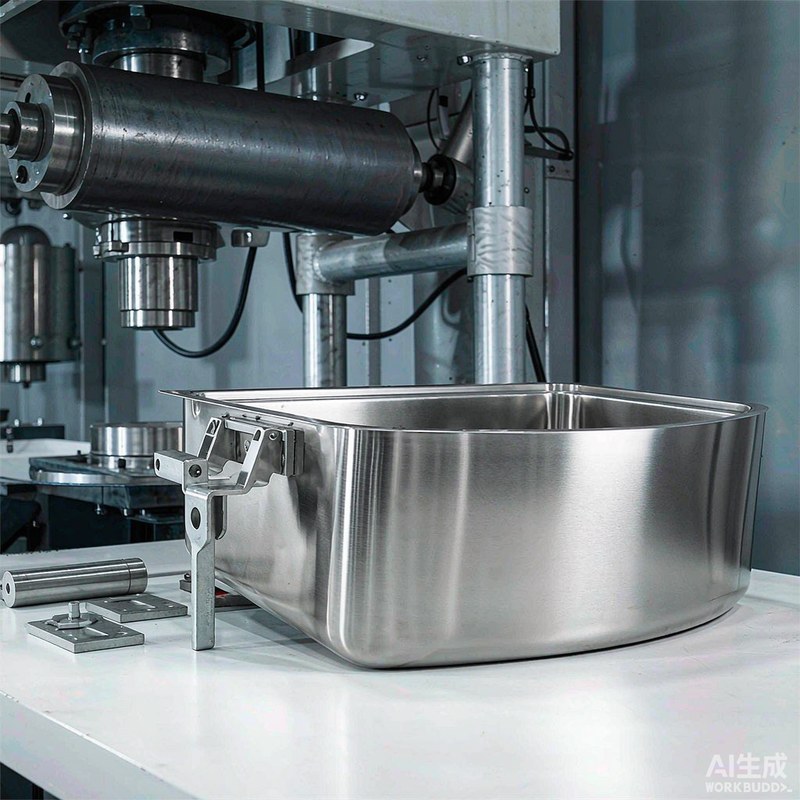
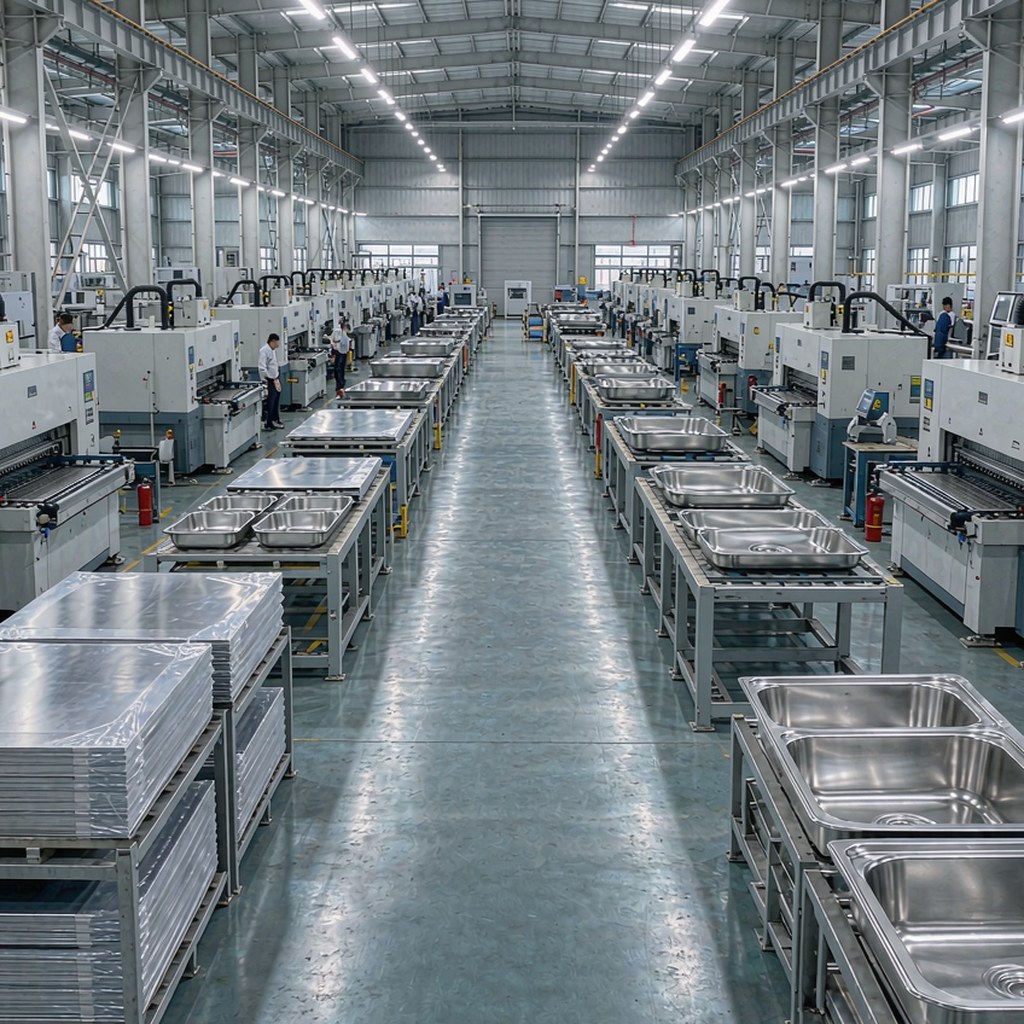
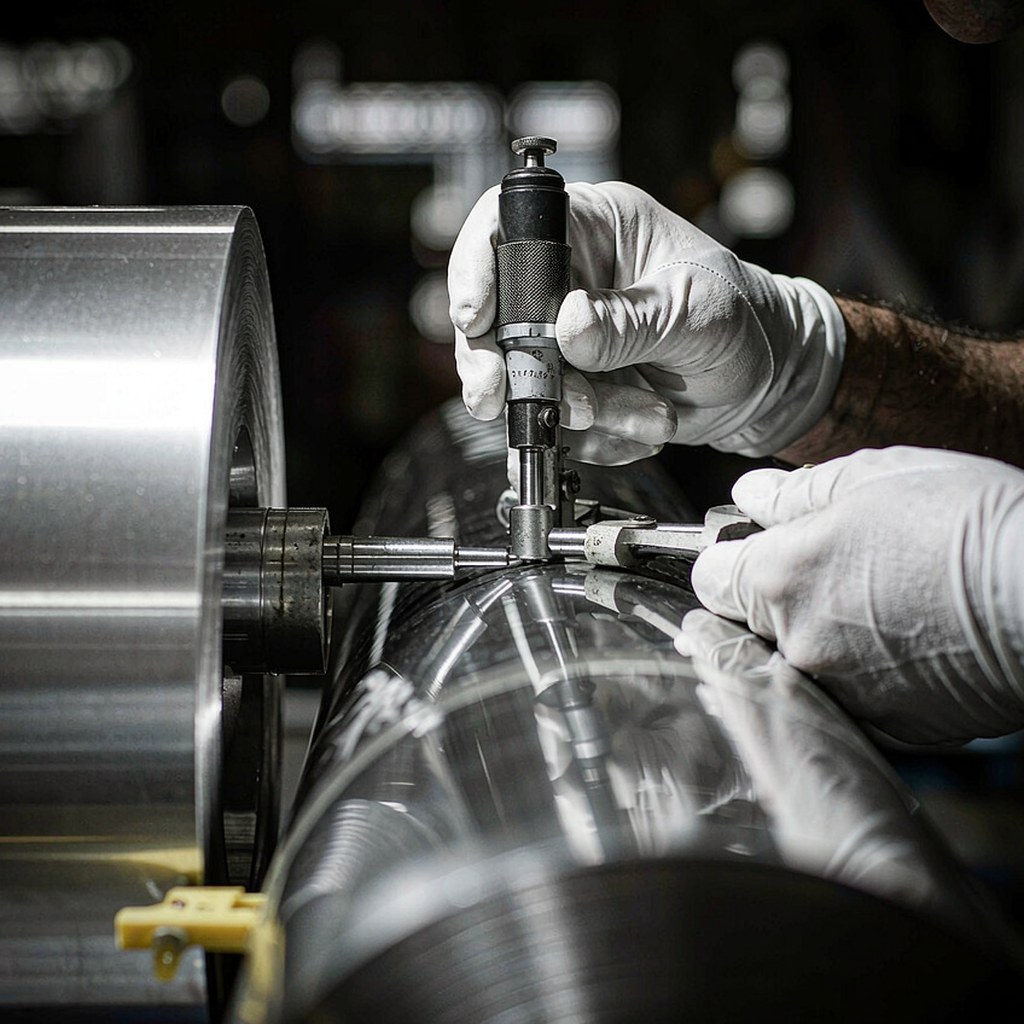
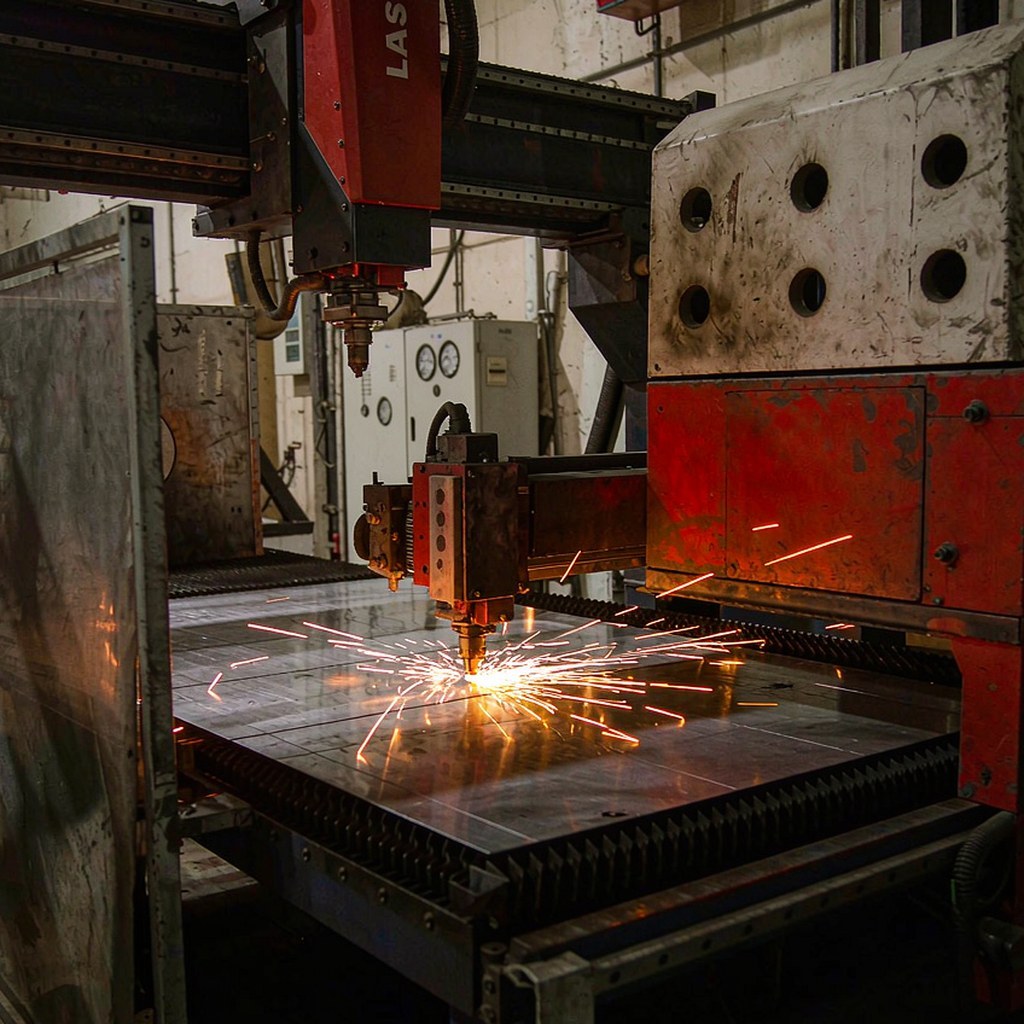
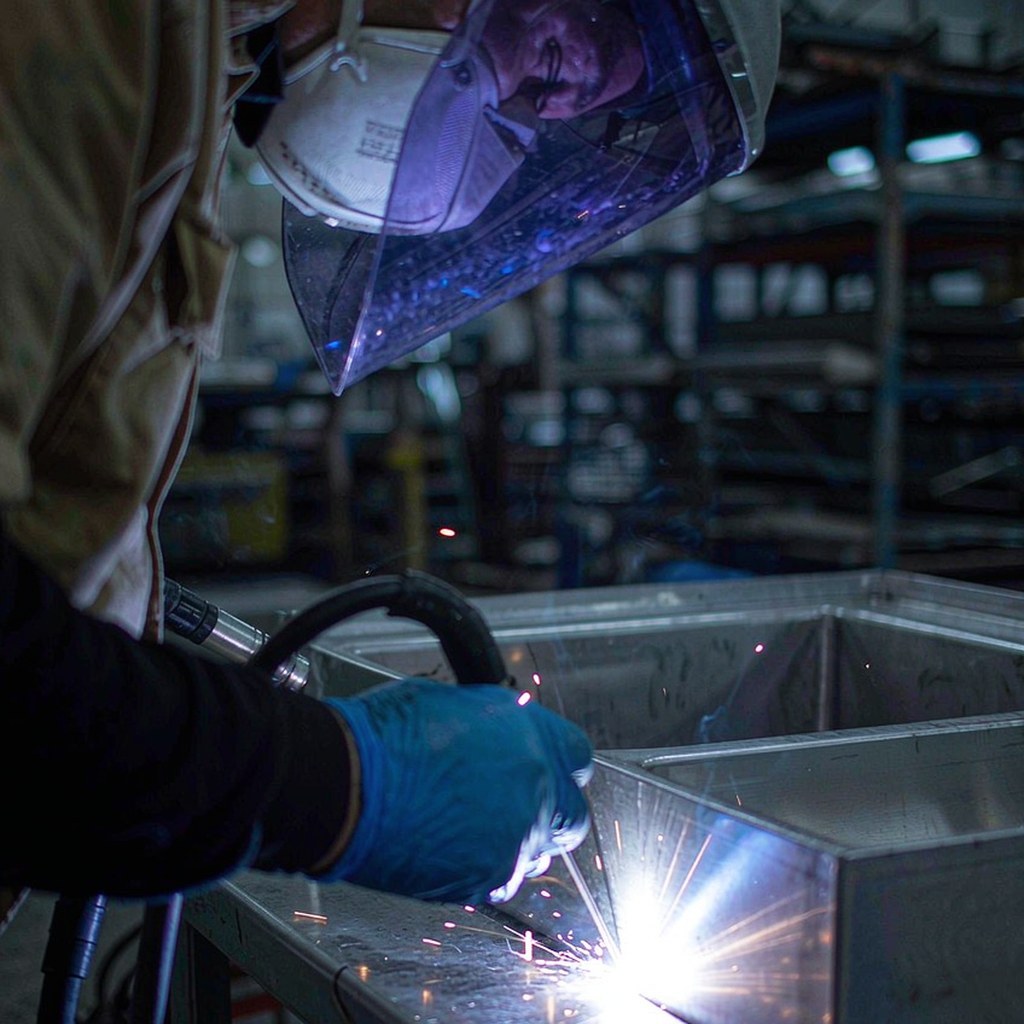
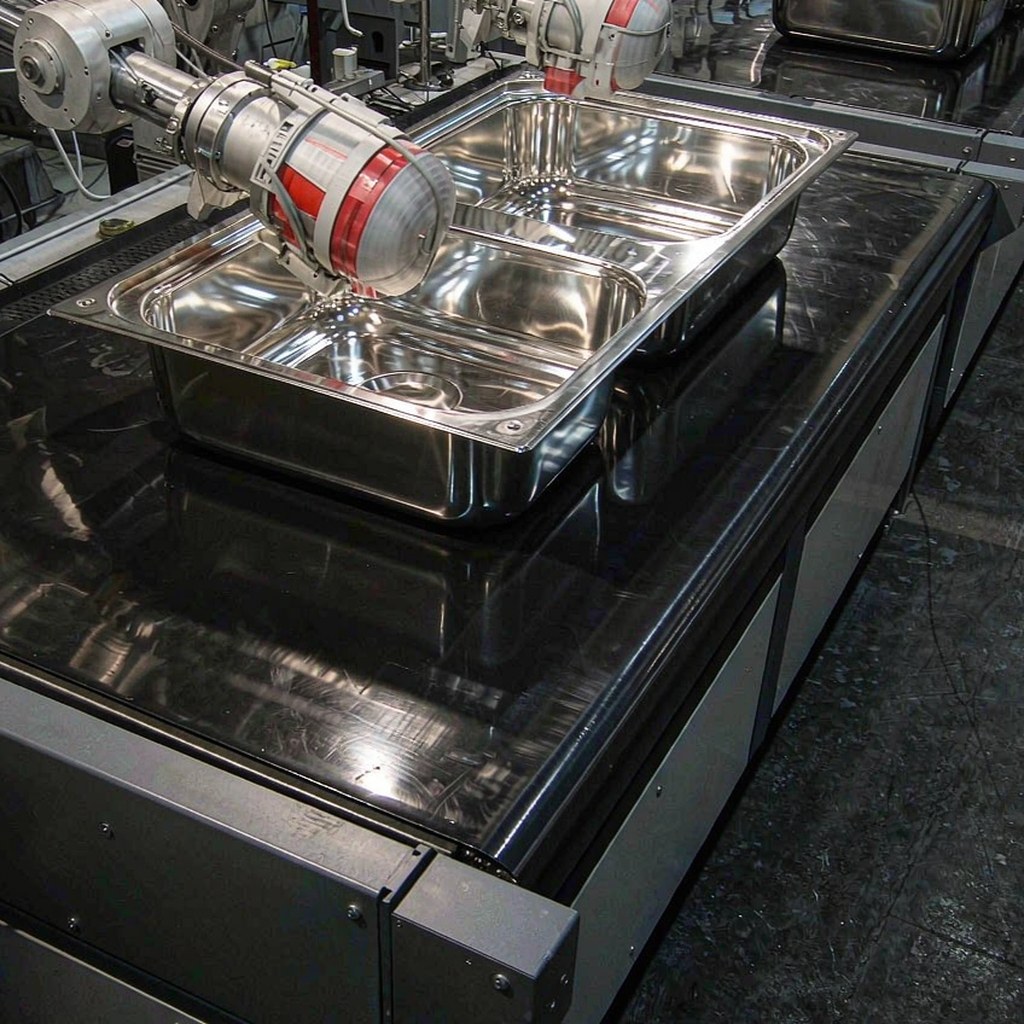
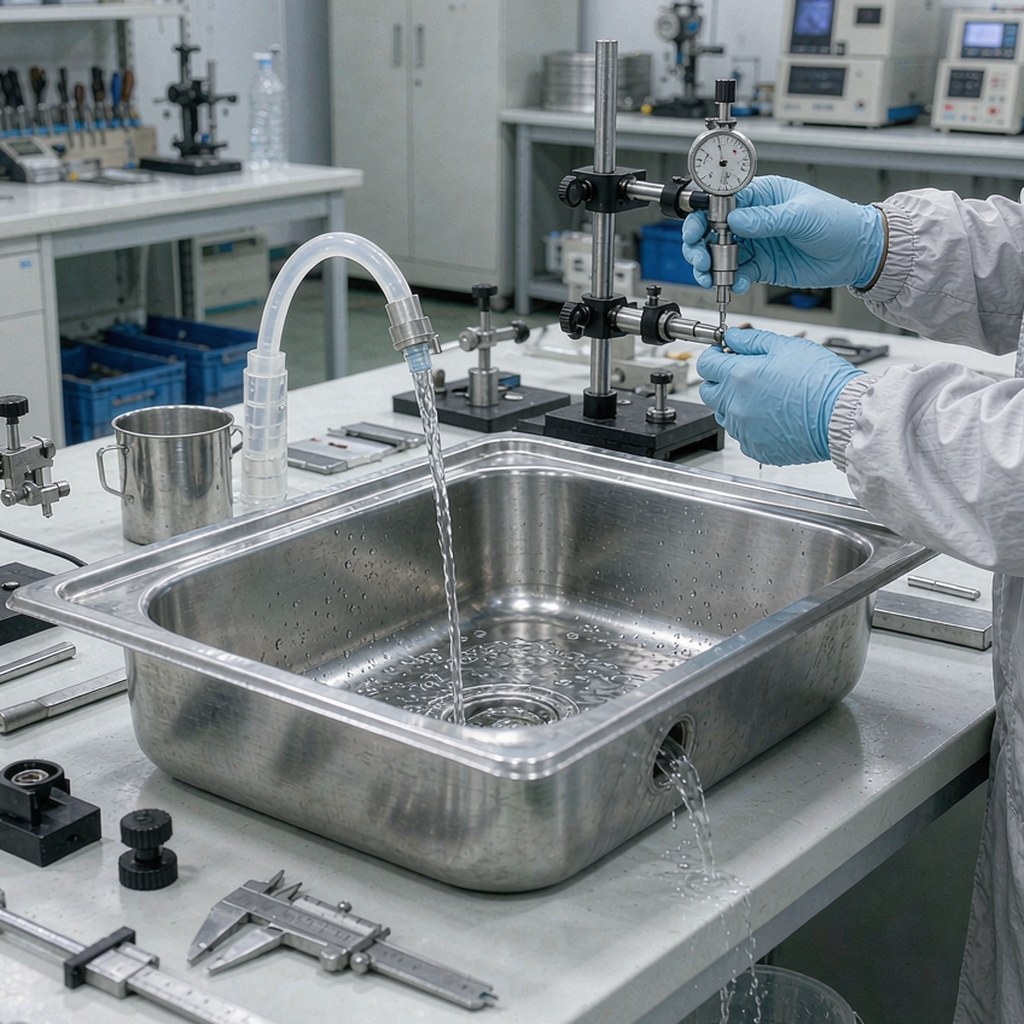
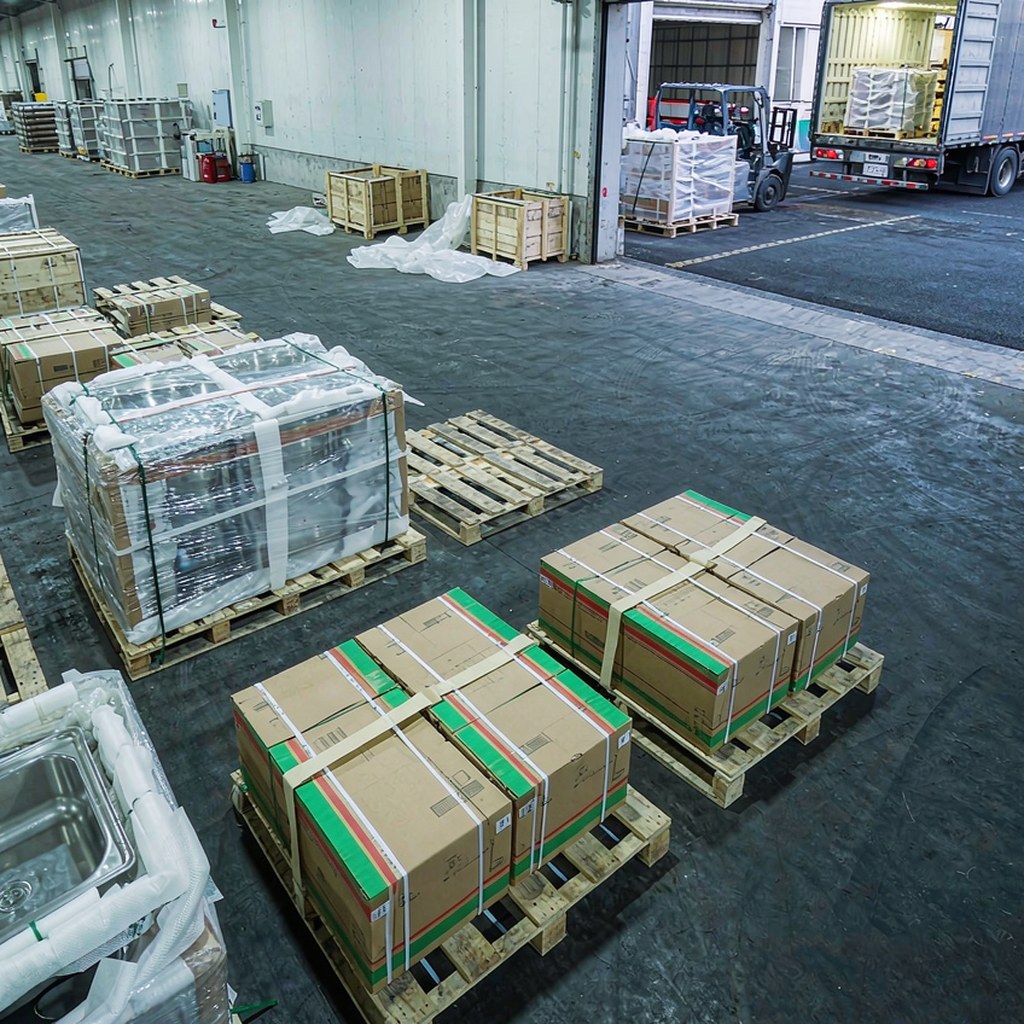
When a sink order arrives and batch two does not match batch one, the problem is rarely the steel. It is the system that released the steel. For buyers who import stainless steel sinks in volume, that difference matters more than any single photo of a shiny bowl: can the factory repeat the same result order after order, and can it prove it? That question gets harder when production is split across two countries. Samsink operates two plants, one in Foshan, China, founded in 1995, and one in Samut Prakan near Bangkok, Thailand, opened in 2018. The reason we can sell the same SKU from both locations and stand behind a single tolerance is simple to say and hard to do: we run the two sites as one production line, thousands of kilometres apart. One specification book. One tooling register. One set of quality gates. This guide walks inside that system, explains the five gates every sink crosses before it is packed, and shows what a dual-base supply chain actually buys an importer, distributor, or kitchen brand. Ask a room of procurement managers what they fear most from a sink supplier and the answers cluster around the same three risks: material substitution, drifting dimensions, and inconsistent finish between shipments. None of them comes from a single bad day on the factory floor. Each one comes from a process that was not locked down. A single-plant supplier with disciplined controls can fail at any of those points too. The difference with a dual-base program is that the standard has to be written down, not carried in the heads of one shift. When two plants must ship an identical product, the company is forced to document six things explicitly: That documentation is what a buyer can actually audit. If a supplier cannot produce these six documents on request, the factory tour photographs are decoration. Samsink started in 1995 in Foshan, Guangdong Province, one of the oldest and densest stainless steel manufacturing clusters in China. The Foshan base remains the engineering heart of the company, with eight production lines, an in-house tool room, and both deep-drawn and handmade-custom production. In 2018 the company commissioned its second plant, operated as KmanKitchenware (Thailand) Co., Ltd. in Samut Prakan, to serve Southeast Asian customers with shorter lead times and to give global buyers a second, independent supply route. The strategic point is not the capacity number. It is that the two plants share the same engineering records, so a mold, a drawing, and a quality gate developed in Foshan can be reproduced in Thailand without re-engineering. Every sink starts as a cold-rolled stainless steel coil. Samsink specifies T304 and T316 grades almost exclusively. T304, roughly 18% chromium and 8% nickel, delivers the corrosion resistance and formability expected of a daily-use kitchen sink. T316 adds molybdenum for chloride resistance, which suits coastal kitchens, food-service environments, and aggressive water conditions. Sheet thickness follows application: 0.8 to 1.2 mm for residential models and 1.2 to 1.5 mm for commercial-grade bowls that must resist denting and thermal warping. Incoming inspection is identical at both plants because it follows the same written gate. Each coil is checked for chemical composition, surface defects, and hardness, typically HRB 80 to 90, and third-party mill certificates are verified against the shipment. The coil number is recorded and linked to the production lots and finished SKUs it becomes. Traceability of that kind is what lets a buyer pull one sink out of a container in Rotterdam and ask where its steel came from, and get an answer. Once steel passes the first gate, a CNC laser cutter trims the coil into blanks with an accuracy of about plus or minus 0.1 mm. Cutting precision is not cosmetic: an uneven blank creates welding gaps and bowl distortion further down the line. The blank then moves to a hydraulic press, where deep drawing is the most technically demanding step in sink production. Presses in the range of 800 to 1,200 tons form the flat sheet into a three-dimensional bowl, and deep models are drawn in multiple stages, an initial draw followed by a finish draw, so the steel is never over-stretched at the corners. This is where the shared tooling register earns its keep. Samsink holds more than 500 in-house molds, and die sets used for dual-location programs are documented so the same geometry can run in Foshan or Samut Prakan. Drawing speed, lubricant, and wall-thickness checks are monitored in real time, and die maintenance is scheduled on cycle counts rather than on memory. A mold that has logged over 100,000 cycles is inspected against drawing dimensions before it runs again. Multi-bowl models and certain configurations require joining formed sections. Samsink uses TIG welding with argon shielding, commonly in the 100 to 150 A range, because it produces a clean, narrow seam with minimal spatter. Heat input is controlled deliberately: excessive heat burns the chromium oxide layer and turns a weld zone into a future corrosion site. After welding, seams are ground flush and blend-polished until the joint disappears to eye and fingertip. For a buyer, the practical test is simple. Run a hand along the weld area, look for discoloration or a visible seam line, and ask to see weld inspection records for the batch. A factory that cannot show weld-level QC records for a welded sink model is asking you to trust luck. Finish determines both how a sink looks on day one and how it cleans for the next ten years. After forming and welding, each sink moves through multi-stage grinding and polishing: coarse abrasives remove draw and weld marks, then finer stages establish the final satin or mirror surface. Surface roughness is held in the range of Ra 0.4 to 0.8 micrometers, and the grain direction runs consistently across bowl and deck. Optional nano anti-fingerprint and antibacterial coatings are applied under controlled line conditions at the factory. Grain direction is a surprisingly good supplier test. Inconsistent brush lines under raking light signal rushed workmanship or mixed process control, and they are visible in a five-second inspection that needs no instruments. Before a sink is released, it crosses a final inspection gate covering appearance, dimensions, and function. Dimensional checks use calibrated gauges and 3D scanning against the approved drawing, and leak testing is performed with water or air pressure to catch pinholes that no visual check can find. Finished goods are sampled at defined rates, typically with a 20 percent final random inspection on top of line-level checks, and volume orders can be covered by AQL sampling agreed with the buyer in advance. Packaging is treated as part of the product. Sinks are protected with rust-preventive measures, foam, and cartons sized to the model, then palletised for sea freight. Samsink also welcomes third-party pre-shipment inspection by agencies such as SGS, Bureau Veritas, or COTECNA, and will schedule the inspection against the same gate criteria the internal team uses. Capacity is the most obvious benefit of a dual base, but it is not the most valuable one. The real advantages show up in procurement terms: Schedule resilience. When one plant is running at full capacity or undergoing maintenance, the other can cover production without starting a new tooling program, because the standard is shared. Regional lead times. Southeast Asian orders can be produced and shipped from Thailand, shortening transit and simplifying documentation for regional buyers. Export flexibility. Foshan ships through Guangzhou and Shenzhen corridors with mature container logistics; the Thai plant offers an independent export route that can be matched to market and trade conditions. Business continuity. A second certified production site is a hedge against regional disruptions, from port congestion to regulatory changes, that a single-location supplier simply does not have. A dual-base program changes very little for the buyer on the surface, and a great deal underneath. The practical flow looks like this: Step one, define. Share target dimensions, gauge, grade, and finish, or send drawings. If drawings do not exist yet, the engineering team can produce them from your target specifications, a standard part of the OEM service. Step two, prove. A sample is produced and checked against the specification sheet, covering dimensions, wall thickness, weld quality, finish, and accessories. Production never starts from a verbal description alone; the approved sample or drawing is signed off in writing. Step three, produce. Mass production runs against the process control plan, with in-process photos and videos available at key gates. Stock models with existing molds can run at low MOQ, from as little as five pieces, while fully customized molds add a development period of roughly four to eight weeks before production. Step four, verify and ship. Internal final inspection is followed by any agreed third-party pre-shipment inspection, then rust-protected packaging and palletising. Standard production lead times are typically four to six weeks, with handmade-custom programs in one to three weeks depending on configuration. Nothing in this article should be taken on faith, and we do not ask you to. Buyers are welcome to verify the system in three ways: A useful habit from buyers we work with: send the same technical question to three suppliers and compare not the answer, but the speed and precision of the response. A factory that cannot answer questions about grade, gauge, and certification fluently is a red flag at any price. Is a sink made in Samut Prakan identical to one made in Foshan? For programs run under the shared standard, yes: same drawing, same tooling register, same material spec, same process parameters, and the same final inspection gate. The quality team audits both plants against the same checklist, and each shipment carries its own inspection documentation so you can verify the batch. Can I choose which plant produces my order? In most programs the source plant is assigned by the planning team based on capacity and destination. For dual-location programs with volume, buyers can discuss splitting or routing production, and the qualification process ensures both sites can run the SKU to the same standard. Do you accept third-party inspections and customer audits? Yes. SGS, Bureau Veritas, COTECNA, or your own nominated inspector can attend in-process or pre-shipment checks against the agreed gate criteria, and on-site audits can be arranged at either plant. What is the MOQ and typical lead time for a custom sink? Stock models with existing molds start at very low MOQ, from five pieces, which suits testing a market. New mold development typically adds four to eight weeks, and standard mass production runs around four to six weeks depending on volume and configuration. The best way to test a quality system is to put a real order in front of it. Samsink's engineering and quality teams can share the specification framework described here, arrange a live factory tour of Foshan or Samut Prakan, and quote your target models against the shared standard. Tell us where you sell, what you need to import, and which certifications your market requires.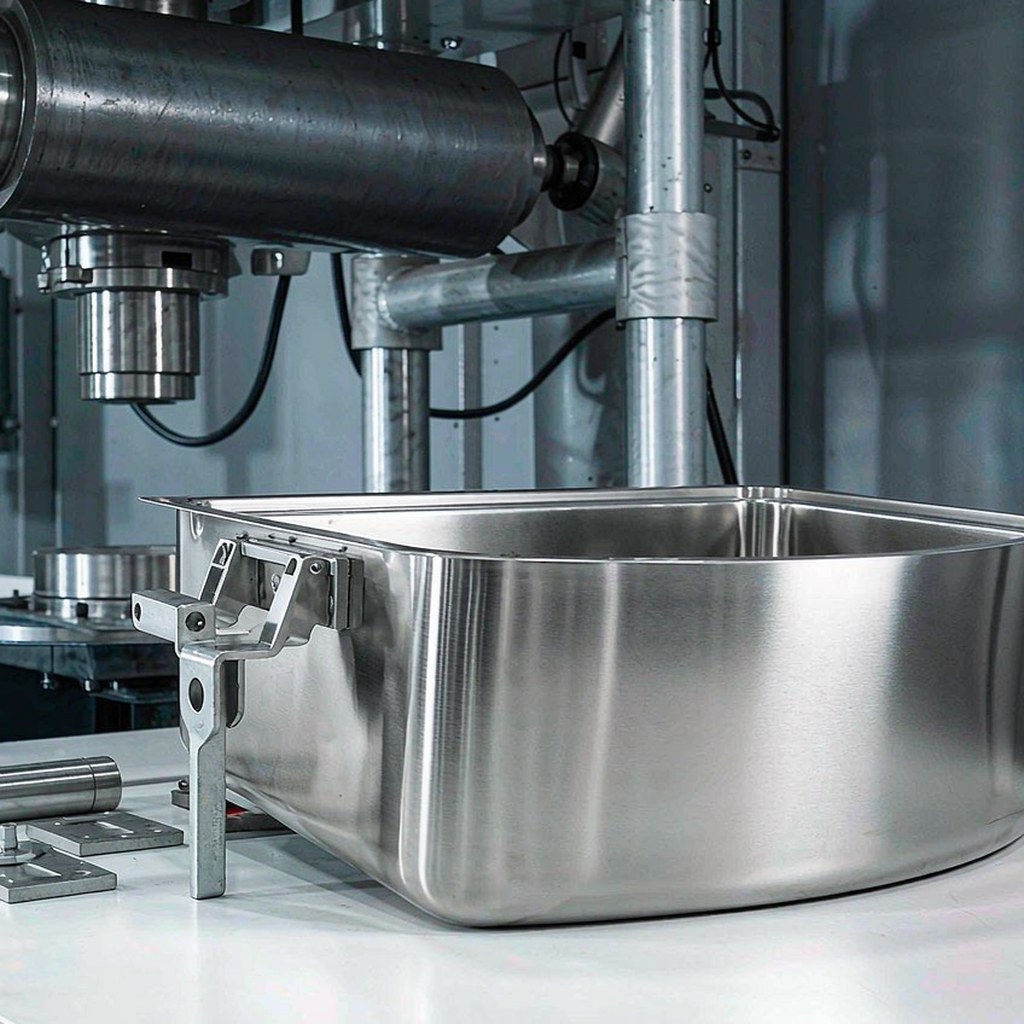
Why One Standard, Two Factories Matters When You Import Sinks
The Network at a Glance: Foshan Since 1995, Samut Prakan Since 2018
in stainless sink manufacturing since 1995
monthly production capacity across both bases
designed and maintained in-house
served across residential and commercial marketsGate 1: Incoming Steel, the Same Spec at Both Doors
Gate 2: Dies and Presses, Tooling Is the DNA
Gate 3: Welding, Where Seamless Is Earned
Gate 4: Finish, Grain, and the Surface Buyers Judge
Gate 5: Testing and Packing, Nothing Ships on Hope
What Two Plants Actually Buy You: Lead Time, Risk, Flexibility
How a Typical OEM Order Runs Through the System
How to Verify All of This for Yourself
Frequently Asked Questions
Talk to the Team Behind the Standard