Stainless Steel Hand Wash Sinks Explained: Meeting Food Safety Standards
- Share
- Issue Time
- Mar 13,2026
Summary
This detailed guide explores the critical role of stainless steel hand wash sinks in maintaining superior hygiene and complying with food safety standards across various commercial and public settings. Stainless steel is highlighted as the material of choice due to its non-porous nature, which effectively prevents bacterial accumulation, and its remarkable corrosion resistance, ensuring longevity and preventing the leaching of harmful substances. The article emphasizes that dedicated handwashing

In this guide, I’ll walk you through the various types, features, and benefits of stainless steel hand wash sinks, emphasizing their importance in meeting and exceeding food safety standards.
Key Takeaways
- Hygiene Superiority: Stainless steel's non-porous surface is crucial for hygiene, as it prevents bacteria and mold from lodging in microscopic cracks, making it easy to clean and sanitize. This is a fundamental reason it is mandated in environments with strict health codes.
- Regulatory Compliance: Health departments across the nation mandate dedicated handwashing stations to prevent foodborne illnesses. These regulations often specify the location, number, and features of sinks, making compliance a top priority for any food-related business.
- Durability and Longevity: The inherent corrosion resistance of stainless steel ensures a long service life, even when exposed to harsh cleaning chemicals and constant use. This makes it a cost-effective investment for high-traffic environments.
- NSF Certification: Choosing an NSF-certified sink guarantees that it meets rigorous standards for public health and safety. This certification is a mark of quality, ensuring the sink's materials, design, and construction are optimized for sanitation and durability.
- Functional Design: Modern stainless steel sinks come in various forms—wall-mounted, freestanding, mobile—and can be equipped with features like hands-free faucets and integrated splashbacks to enhance both hygiene and user convenience.
Why Stainless Steel Hand Wash Sinks are Essential for Food Safety and Hygiene
In any environment where food is handled, from bustling restaurant kitchens to food processing plants, the prevention of cross-contamination is paramount. The materials used for equipment play a pivotal role in this effort. Stainless steel has long been recognized as the premier choice for such applications due to its unique combination of properties that support rigorous food safety and hygiene protocols.
The Indispensable Role of Stainless Steel in Food Preparation Areas
Stainless steel is not just chosen for its sleek, professional appearance; its material science makes it uniquely suited for environments that demand the highest levels of cleanliness. Its widespread use is a direct result of its ability to help businesses comply with health standards and ensure the safety of both employees and consumers.
Stainless steel is a non-porous material, which prevents bacteria, mold, and food residue from accumulating, making it incredibly easy to clean and sanitize.
The primary advantage of stainless steel lies in its microscopic structure. Unlike porous materials such as wood or plastic, stainless steel has a smooth, non-porous surface. This means there are no tiny crevices or holes where bacteria, viruses, or food particles can hide and multiply. This characteristic is fundamental to hygiene, as it ensures that cleaning and sanitization processes are highly effective, removing virtually all contaminants from the surface. Research and industry standards consistently highlight that this non-absorbent quality makes stainless steel the benchmark for hygienic surfaces in food and medical settings.
Its corrosion resistance ensures longevity and prevents harmful substances from leaching into food.
Stainless steel is a ferrous alloy containing a minimum of 10.5% chromium. This chromium content creates a passive, invisible, and self-repairing film on the surface when exposed to oxygen. This protective layer is what gives stainless steel its signature resistance to rust and corrosion, even when in contact with acidic foods, moisture, and harsh cleaning chemicals. This durability is not only a matter of longevity and cost-effectiveness but is also a critical safety feature. A non-corroding surface will not break down and leach harmful metallic substances into food, preserving its taste, quality, and safety.
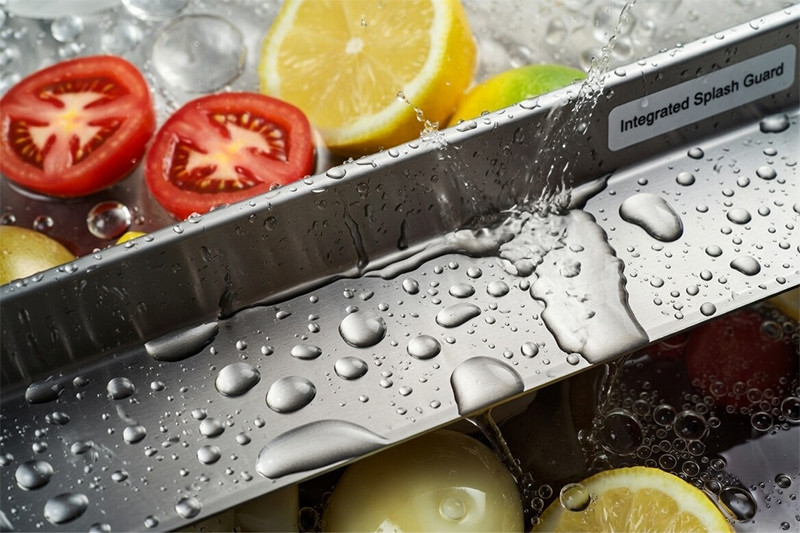
Commercial hand wash sinks are mandated by health departments to prevent foodborne illnesses.
The link between hand hygiene and the prevention of foodborne illness is well-documented and is the basis for strict regulations enforced by health departments. Dirty hands are a primary vehicle for spreading pathogens in a kitchen environment. For this reason, health codes across the United States mandate that all food preparation areas must be equipped with dedicated hand washing sinks. These sinks must be used exclusively for hand hygiene to prevent the cross-contamination that would occur if, for example, a food prep sink were used for washing hands.
Meeting Stringent Health Regulations with Stainless Steel Hand Wash Sinks
Compliance with health codes is not optional; it is a legal requirement for operating a food establishment. Stainless steel hand wash sinks are specifically designed to meet and exceed these regulatory demands, providing a reliable solution for businesses committed to public health.
Most health codes require hand washing sinks in kitchens and workstations to maintain sanitation and avoid cross-contamination.
Health regulations, such as those outlined in the FDA Food Code, are explicit about the necessity of handwashing facilities. A hand sink must be conveniently located within or immediately adjacent to food preparation, dispensing, and warewashing areas to encourage frequent use by employees. The goal is to make handwashing a seamless part of the workflow, thereby minimizing the temptation for employees to skip this critical step.
Dedicated hand wash sinks in food preparation areas are essential and must be easily accessible.
The concept of a "dedicated" hand wash sink is a cornerstone of kitchen safety. Regulations prohibit the use of these sinks for any other purpose, such as dumping liquids or washing produce. This rule is in place to ensure the sink itself remains a clean zone for hand hygiene and does not become a source of contamination. Health codes often specify that a hand sink must be within a certain distance, like 25 feet, of each workstation to ensure easy access for all staff. Furthermore, these stations must be well-stocked with soap, paper towels (or an air dryer), and a sign reminding employees of the handwashing requirement.
NSF certification guarantees that stainless steel hand wash sinks meet rigorous public health and safety standards, featuring durable construction, hygienic design, and ease of cleaning.
For commercial equipment, NSF (National Sanitation Foundation) certification is the gold standard. When a stainless steel sink bears the NSF mark, it signifies that the product has undergone rigorous independent testing to meet strict standards for material safety, design, and performance. NSF/ANSI 2, the standard for food equipment, specifies requirements for sinks, including that they must be made of corrosion-resistant materials, have smooth surfaces, and be easy to clean to prevent bacterial growth. An NSF-certified sink often features coved (rounded) corners and smooth welds, design elements that eliminate tight angles where bacteria could thrive, ensuring the sink can be thoroughly sanitized. Choosing NSF-certified equipment provides restaurateurs and operators peace of mind, knowing their sinks are compliant with health codes and built for safety.
| Regulation/Standard | Requirement | Importance for Food Safety |
|---|---|---|
| FDA Food Code | Requires conveniently located and dedicated handwashing sinks. | Ensures employees have constant and easy access to proper handwashing facilities, reducing pathogen spread. |
| Local Health Dept. | Specifies the number, location, and use of hand sinks; often mandates them in food prep areas. | Prevents cross-contamination by separating handwashing from food preparation and dishwashing tasks. |
| NSF/ANSI 2 | Sets minimum standards for materials, design, and construction of food equipment, including sinks. | Guarantees the sink is hygienic, durable, and easy to sanitize, meeting public health requirements. |
Exploring the Diverse Types of Stainless Steel Hand Wash Sinks
Stainless steel hand wash sinks are not a one-size-fits-all solution. They come in a wide variety of designs, each tailored to specific environmental needs, spatial constraints, and functional requirements. Choosing the right type of sink is crucial for optimizing workflow, ensuring compliance, and maximizing hygiene in any commercial setting.
Wall-Mounted Stainless Steel Hand Wash Sinks: Space-Saving Solutions
Wall-mounted sinks are a popular and practical choice for many commercial environments, especially where space is at a premium. By fixing the unit directly to the wall, they keep the floor area clear, offering distinct advantages for both navigation and sanitation.
These sinks maximize space and facilitate floor cleaning, making them ideal for high-traffic areas and smaller kitchens.
The number one reason businesses choose wall-mounted sinks is their space-saving design. In compact settings like food trucks, small cafes, or busy production lines, every square foot matters. Lifting the sink off the floor frees up valuable real estate that can be used for foot traffic, mobile equipment, or waste receptacles. This design not only creates a less cluttered and more open feel but also dramatically simplifies floor cleaning. Staff can easily mop and sanitize the entire floor surface without having to navigate around sink legs, which is a significant advantage for maintaining high hygiene standards.
Wall-mounted stainless steel hand wash sinks are commonly found in kitchens and hospitals.
Due to their hygienic and space-efficient benefits, these sinks are a staple in commercial kitchens, healthcare facilities, laboratories, and food processing plants. In hospitals and clinics, where infection control is paramount, the ease of cleaning the surrounding area is a critical feature. In kitchens, their ability to be installed at precise locations along a prep line ensures that handwashing stations are always within reach without obstructing the flow of a busy kitchen.
Splash guards can be integrated to prevent water contamination.
To further enhance hygiene and protect the surrounding environment, most wall-mounted sinks can be fitted with integrated backsplashes or side splashes. These raised guards prevent water and soap from splashing onto adjacent walls or work surfaces, containing the handwashing process and preventing both water damage and potential cross-contamination.
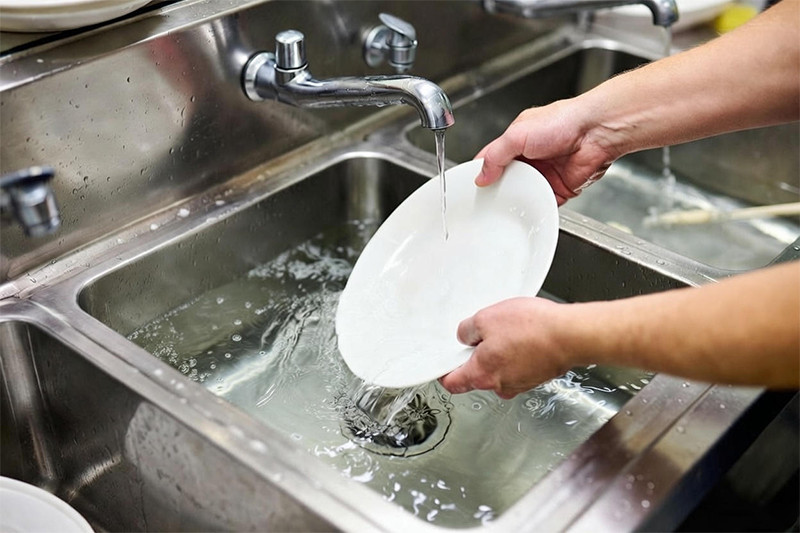
Freestanding Stainless Steel Hand Wash Sinks: Versatility and Functionality
Freestanding sinks, also known as floor-mounted sinks, offer a different set of advantages centered on versatility and robust installation. Supported by legs, they can be placed in various locations and often incorporate additional features.
Freestanding stainless steel hand wash sinks often come with four legs and can include lower shelving for added storage.
A key feature of many freestanding models is the inclusion of an undershelf or cabinet base. This integrated storage is incredibly useful for keeping cleaning supplies, extra soap, paper towels, or other necessary items organized and readily accessible, turning a simple handwashing station into a more comprehensive utility area. These sinks are typically built with sturdy stainless steel legs to ensure stability in a high-use environment.
They are typically installed against a wall for stability and space efficiency.
While they are "freestanding," these sinks are most commonly installed with the back of the unit placed against a wall. This provides greater stability and ensures that plumbing connections are neat and contained. Though they occupy more floor space than a wall-mounted unit, their robust design makes them a durable workhorse in large, high-volume kitchens and utility rooms.
Corner sinks, a type of freestanding stainless steel sink, are ergonomically designed for multiple users in high-volume settings.
The corner sink is an ingenious variation that transforms an often-underutilized corner into a highly functional workspace. By fitting snugly into a 90-degree corner, these sinks can free up significant counter and wall space in L-shaped or U-shaped kitchen layouts. This design is not only space-efficient but also ergonomic, tightening the "kitchen triangle" and reducing the steps staff need to take between stations. Models are available as single-bowl hand sinks or even large, three-compartment versions for dishwashing, making them a versatile solution for maximizing kitchen efficiency.
Pedestal and Mobile Stainless Steel Hand Wash Sinks: Adaptive Handwashing
For situations requiring enhanced hygiene or temporary installations, pedestal and mobile sinks provide innovative and flexible solutions. These designs cater to modern needs for hands-free operation and on-the-go handwashing.
Pedestal stainless steel hand wash sinks often feature hands-free operation for enhanced hygiene.
Pedestal sinks are freestanding units that conceal the plumbing within a narrow stainless steel column. They are particularly valued for their compatibility with hands-free operation. Many models are equipped with foot pedals or knee levers that allow users to activate the water flow without touching any handles, significantly reducing the risk of cross-contamination. This makes them an excellent choice for healthcare facilities, food processing plants, and any area where minimizing germ transfer is a top priority.
Mobile stainless steel hand wash sinks are perfect for outdoor events, food trucks, and temporary setups, offering self-contained hot and cold water.
Mobile or portable hand wash sinks are the ultimate solution for providing handwashing facilities where no plumbing exists. These self-contained units typically feature onboard fresh and wastewater tanks, an electric pump for water flow, and sometimes even a water heater. Mounted on wheels, they can be easily moved to any location, making them indispensable for outdoor festivals, farmers' markets, construction sites, and temporary medical clinics. They ensure that even in temporary settings, hygiene standards and health regulations can be met.
These portable units are essential when fixed plumbing is unavailable or inconvenient.
The anility to set up a fully functional handwashing station without needing a professional plumber is a game-changer. For event organizers, food vendors, and emergency response teams, these portable sinks provide a quick, compliant, and reliable way to ensure proper sanitation for both staff and the public.
Trough-Style Stainless Steel Hand Wash Sinks: Multi-User Solutions
When you need to accommodate multiple users at once, trough sinks offer a highly efficient and durable solution. Their elongated basin design is ideal for high-traffic environments.
Trough sinks are suitable for areas requiring multiple users to wash hands simultaneously, like classrooms or factories, but are less ideal for environments needing strict sanitation.
With their long, continuous basin, trough sinks allow several people to wash their hands at the same time without waiting in line. This makes them perfect for places like schools, industrial workshops, large public restrooms, and stadiums. However, because they use a shared basin, they may be less suitable for high-sanitation environments like hospitals or commercial kitchens where individual, separated basins are often preferred to prevent any potential for cross-contamination between users.
They can be wall-mounted or freestanding, providing versatile installation options.
Trough sinks are available in both wall-mounted and freestanding configurations to suit different spaces and installation requirements. Wall-mounted models save floor space, while freestanding versions can be positioned more flexibly within a large room. Many modern designs are ADA-compliant and can be equipped with multiple sets of faucets, including sensor-operated or manual options, to serve a large number of people efficiently.
Key Features and Innovations of Modern Stainless Steel Hand Wash Sinks
The design of stainless steel hand wash sinks has evolved significantly to meet the increasing demands for hygiene, durability, and convenience. Modern sinks integrate advanced features and innovative designs that not only ensure regulatory compliance but also enhance the user experience and operational efficiency in high-demand environments.
Optimizing Hygiene with Hands-Free Operation
One of the most impactful innovations in commercial sink design is the move towards hands-free operation. Minimizing contact with shared surfaces is a cornerstone of infection control, and faucet technology has risen to the challenge.
Most independent, wall-mounted, and pedestal stainless steel hand wash sinks can be equipped with various faucet types, including manual, knee/foot valve, and electronic sensors.
Modern sink designs are versatile and can accommodate a range of faucet activation methods. While traditional manual faucets are still available, the industry has largely shifted towards touchless solutions. These include:
- Knee/Foot Valves: These mechanical systems use a panel or pedal near the floor or at knee height to control water flow.
- Electronic Sensors: These use infrared technology to detect the presence of hands, activating water flow automatically.
Hands-free options, such as sensor-activated faucets or foot pedals, significantly reduce the risk of cross-contamination.
The primary benefit of hands-free faucets is the dramatic reduction in cross-contamination. Every time a person touches a faucet handle after washing their hands, they risk re-contaminating them with germs left by previous users. Touchless systems eliminate this point of contact entirely, ensuring that the handwashing process is as hygienic as possible. This is especially critical in food service, healthcare, and public restrooms where the spread of germs is a major concern.
Knee/foot valve mechanisms are often more reliable and cost-effective than electronic sensors, which can lose sensitivity over time.
While electronic sensors offer a sleek, modern aesthetic and excellent hygiene, they can be subject to technical issues like failing batteries or sensor malfunctions. In contrast, mechanical knee and foot pedals are known for their robust durability and reliability. Because they operate without electronics, they are often a more cost-effective and lower-maintenance choice for high-traffic environments, providing dependable hands-free operation day after day.
Seamless Design and Durability of Stainless Steel Hand Wash Sinks
The physical construction of a sink is just as important as its features. Modern manufacturing techniques have allowed for designs that are not only stronger but also inherently more hygienic.
Modern stainless steel hand wash sinks feature hygienic designs with smooth surfaces and rounded edges that are easy to clean and prevent bacterial buildup.
A key principle of hygienic design is the elimination of areas where bacteria can hide. Modern sinks are often made using a seamless, die-drawn construction process, which creates a single, continuous piece of metal without joints or crevices. They feature large, coved corners instead of sharp 90-degree angles. This smooth, rounded design makes cleaning incredibly efficient, as there are no tight spots for food particles or biofilm to accumulate. The non-porous nature of stainless steel further ensures that bacteria cannot penetrate the surface, making sanitization highly effective.
Acorn Sinks, for example, are made from heavy-duty stainless steel with reinforced designs for exceptional durability and longevity.
Manufacturers like Acorn Engineering are known for producing sinks built to withstand the rigors of commercial use. They often use heavy-gauge stainless steel (such as 16 or 18 gauge), which is thicker and more resistant to dents and damage. These sinks feature reinforced construction to ensure they offer a long service life with minimal maintenance, providing excellent value over time. Many are also designed with sustainability in mind, using 100% recyclable stainless steel.
Many stainless steel hand wash sinks come with integrated splashbacks to protect walls from water damage.
To contain water and protect the surrounding area, most commercial sinks are designed with an integral backsplash. This raised rear edge prevents water from splashing onto the wall, which can cause water damage and create a breeding ground for mold. This feature is crucial for maintaining a clean and structurally sound installation.
Comprehensive Handwashing Stations: Beyond the Stainless Steel Hand Wash Sink
An effective handwashing station is more than just a sink. It is a complete system that must include all the necessary components to ensure proper hygiene in accordance with health department regulations.
Effective handwashing stations require hot and cold water, soap, paper towels, and a trash receptacle.
According to health codes, a compliant handwashing station must be fully stocked at all times. This includes a soap dispenser, a method for drying hands hygienically (such as a paper towel dispenser or an air dryer), and a nearby waste receptacle for used towels. All these elements must be conveniently located to encourage proper and frequent use by employees.
Health departments often require hot water temperatures between 100°F (38°C) and 120°F (49°C) and cold water below 85°F (29°C) for effective handwashing.
Water temperature is a critical, regulated component of handwashing. While some research indicates that water temperature is less important for pathogen removal than the friction from scrubbing with soap, health codes have specific requirements. The FDA Food Code, for instance, was updated to require a minimum water temperature of 85°F (29.4°C), emphasizing that a comfortable temperature encourages longer and more frequent handwashing. Many local health departments still adhere to a minimum of 100°F (38°C) and may have an upper limit to prevent scalding. A mixing valve is often required to ensure the water delivered at the faucet is consistently within the compliant temperature range.
Vacuum breakers on all stainless steel hand wash sink faucets prevent unsanitary backflow.
A crucial but often overlooked safety device is the vacuum breaker. This component is installed on the faucet to prevent backflow, a situation where contaminated water from the sink or a connected hose could be siphoned back into the clean water supply. This can happen if there is a sudden drop in water pressure in the building's plumbing. By law, commercial faucets, especially those with hose attachments, must be equipped with a vacuum breaker to protect the potability of the water system.
The Advantage of NSF-Certified Stainless Steel Hand Wash Sinks
In the commercial foodservice industry, the small, round, blue NSF logo on a piece of equipment carries immense weight. It signifies a commitment to public health and safety that goes beyond basic compliance. For stainless steel hand wash sinks, NSF certification is a declaration that the product has been rigorously tested and found to meet the highest standards for sanitation, durability, and performance.
Ensuring Compliance and Superior Hygiene
Choosing an NSF-certified sink is one of the most effective ways to ensure your facility not only passes health inspections but also provides the safest possible environment for staff and customers. This certification is a trusted benchmark recognized by health departments nationwide.
NSF certification for stainless steel hand wash sinks ensures that they meet stringent public health and safety standards.
NSF International, originally the National Sanitation Foundation, was established in 1944 to create uniform standards for food safety and sanitation. Today, NSF/ANSI Standard 2 specifically covers the requirements for food equipment, including sinks. This standard outlines the minimum criteria for the materials, design, fabrication, and construction of equipment to ensure it is safe and sanitary. When a sink is NSF-certified, it means an independent, third-party organization has thoroughly evaluated it and verified that it complies with these strict procedures. This validation gives operators confidence that their equipment meets regulatory demands.
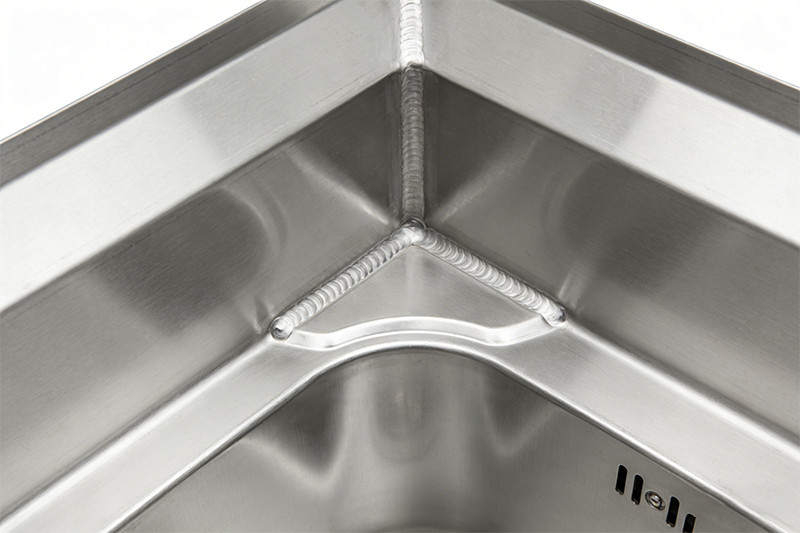
These certified sinks often feature rounded edges and integrally welded drainboards for easy sanitization and to prevent debris buildup.
One of the key design mandates under NSF standards is that equipment must be easily cleanable. For sinks, this translates into specific construction features. NSF-certified sinks must have smooth, seamless welds and coved (rounded) corners inside the bowl. This design eliminates the tight crevices and 90-degree angles found in non-certified sinks, which are notorious for trapping food particles and harboring bacteria. In addition, if drainboards are included, they must be properly sloped to prevent water from pooling, which could otherwise become a breeding ground for germs.
Material and Design Requirements for Certified Stainless Steel Hand Wash Sinks
NSF certification isn't just about the final product; it scrutinizes the very materials and design principles that go into its creation. This ensures that every aspect of the sink is optimized for a hygienic environment.
NSF-certified stainless steel hand wash sinks are typically made from high-grade stainless steel like 304, ensuring resistance to rust, corrosion, and wear.
The material itself is a critical component of certification. To be NSF-approved for food contact, stainless steel must contain a minimum of 16% chromium. This chromium content is what provides the material's essential corrosion resistance. Type 304 stainless steel, which contains 18% chromium and 8% nickel, is the industry standard for food-grade applications because it offers excellent durability and resistance to rust and acidic foods. This ensures the sink will not leach harmful chemicals into the water and can withstand the harsh cleaning agents used in commercial kitchens.
The design of such sinks is critical to prevent bacterial growth and cross-contamination, often including non-porous surfaces and smooth finishes.
Hygienic design is a core principle of NSF standards. A certified sink must be non-absorbent and non-porous, preventing liquids and microorganisms from seeping into the material. The entire construction is engineered to make cleaning simple and effective. The certification process is not a one-time event; NSF conducts ongoing on-site inspections of manufacturing facilities and periodically re-tests products to ensure they continue to meet the highest standards. This continuous oversight guarantees that any product bearing the NSF mark is consistently safe, durable, and ready for use in a demanding commercial environment.
| NSF Certification Feature | Description | Benefit for Hygiene and Safety |
|---|---|---|
| Hygienic Design | Requires coved (rounded) interior corners and smooth, seamless welds. | Eliminates crevices and corners where bacteria and food particles can accumulate, making the sink easier to clean and sanitize thoroughly. |
| Safe Materials | Mandates the use of non-toxic, corrosion-resistant materials like Type 304 stainless steel. | Ensures no harmful chemicals can leach into the water and that the sink can withstand harsh cleaning chemicals without degrading. |
| Cleanability | The entire construction must facilitate easy and effective cleaning and sanitization. | Reduces labor time for cleaning and minimizes the risk of foodborne illness caused by unsanitary surfaces. |
| Third-Party Verification | Involves rigorous testing, on-site facility audits, and continuous monitoring by NSF. | Provides independent assurance to health inspectors and operators that the equipment meets the highest public health standards. |
Frequently Asked Questions (FAQ)
Q1: Why is a dedicated hand wash sink required in a commercial kitchen? A dedicated hand wash sink is a legal requirement mandated by most health departments to prevent cross-contamination. Using a sink designated only for handwashing ensures that germs from hands are not transferred to food prep surfaces or to dishes being washed in a three-compartment sink. This separation is a fundamental principle of food safety.
Q2: What is the ideal water temperature for a commercial hand wash sink? While studies show soap and friction are the most critical elements, health codes have specific temperature requirements. The 2022 FDA Food Code recommends a minimum of 85°F (29°C) to ensure the water is comfortable enough to encourage thorough washing. However, many local health departments still require a minimum of 100°F (38°C). It is always best to check with your local regulatory authority.
Q3: What makes a sink NSF-certified? An NSF-certified sink has been independently tested and verified by NSF International to meet strict public health and safety standards. This includes being made from food-safe, corrosion-resistant materials (like Type 304 stainless steel), having a hygienic design with rounded corners to prevent bacteria buildup, and being easily cleanable.
Q4: Can I use a hands-free faucet on any type of sink? Most modern commercial sinks, including wall-mounted, freestanding, and pedestal models, are designed to be compatible with various faucet types. Hands-free options like motion-sensor faucets or knee/foot pedals can typically be installed to enhance hygiene and reduce cross-contamination.
Q5: What is the difference between a wall-mounted and a freestanding sink? A wall-mounted sink attaches directly to the wall, leaving the floor clear. This design is excellent for saving space and makes floor cleaning easier. A freestanding sink is supported by legs and can be placed more flexibly. It often includes additional features like an undershelf for storage, making it a versatile if less space-conscious option.
Conclusion
From enhancing food safety to ensuring regulatory compliance, stainless steel hand wash sinks are an indispensable asset in any commercial or public setting. Their inherent durability, hygienic properties, and modern design features make them the clear choice for environments where cleanliness is non-negotiable.
By choosing the right type of stainless steel hand wash sink—whether it's a space-saving wall-mounted unit, a versatile freestanding station, or a high-tech hands-free model—and ensuring it carries the mark of NSF certification, businesses can significantly elevate their hygiene standards and protect public health. This commitment demonstrates a dedication to safety that builds trust with both employees and customers.
Ultimately, investing in high-quality stainless steel hand wash sinks is an investment in safety, durability, and peace of mind. It is a foundational step in creating a compliant and responsible operation that prioritizes the well-being of everyone it serves. We encourage you to share this guide to help others understand the critical role of these fixtures in maintaining a safe and sanitary world.