The Ultimate Guide to Commercial Kitchen Sinks: Styles, Materials, and Hygiene Standards
- Share
- Issue Time
- Jun 22,2026
Summary
The commercial kitchen sink is a critical, often-overlooked component in any food service establishment, essential for maintaining hygiene, ensuring operational efficiency, and complying with stringent health regulations. Beyond aesthetics, selecting the right sink involves understanding various types, materials, crucial certifications, and maintenance practices. The three-compartment sink, mandated by most health departments and the FDA, is foundational for the wash-rinse-sanitize process, cruc
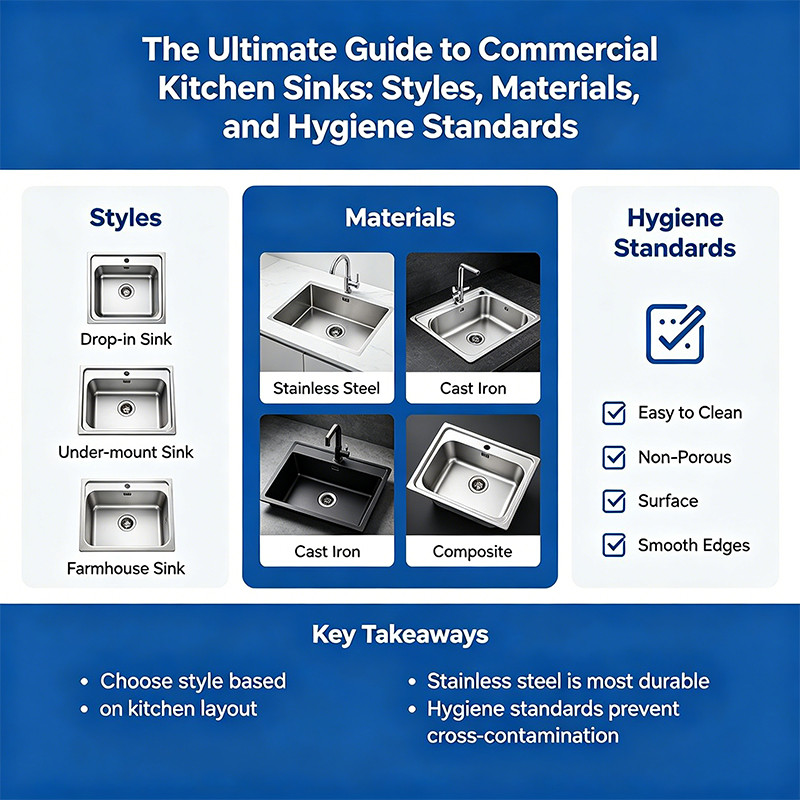
When we imagine the heart of any bustling restaurant or catering service, what often comes to mind are gleaming surfaces and efficient workstations. But beneath the surface-level functionality lies a crucial component often overlooked: the commercial kitchen sink. This guide will help us navigate the complexities of choosing, maintaining, and ensuring our commercial kitchen sink meets the highest standards.
Understanding the right commercial kitchen sink for our operations is not just about aesthetics; it's about adherence to stringent hygiene regulations, ensuring worker efficiency, and guaranteeing the longevity of our investment. We'll explore everything from materials to crucial certifications.
From the fast-paced environment of a ghost kitchen to the demanding setting of a full-service restaurant, the right commercial kitchen sink plays a pivotal role in preventing foodborne illnesses and maintaining a smooth workflow. We are here to provide a comprehensive look at what makes an ideal commercial kitchen sink.
Key Takeaways
- Compliance is Key: A three-compartment sink for washing, rinsing, and sanitizing is a legal requirement in most food service establishments to meet health codes.
- Material and Durability: The vast majority of commercial sinks are made from stainless steel, with 16-gauge or 18-gauge Type 304 being the industry standard for its durability and corrosion resistance.
- Dedicated Sinks for Specific Tasks: To prevent cross-contamination, separate sinks are required for handwashing, food preparation, and janitorial duties.
- Certification Matters: Look for NSF certification to ensure the sink complies with public health and sanitation standards, a critical factor during health inspections.
- Proper Maintenance is a Must: Regular cleaning and adherence to a strict wash-rinse-sanitize protocol are essential for hygiene and extending the life of the sink.
Understanding the Different Types of Commercial Kitchen Sinks
In any professional kitchen, the sink is more than just a basin for washing; it's a cornerstone of hygiene and operational efficiency. Commercial kitchens operate under strict health and safety regulations, and having the right type of sink is crucial for maintaining a clean workspace. The choice of sink directly impacts workflow, sanitation, and compliance with local health codes. From multi-compartment workhorses to specialized prep stations, each type serves a unique and vital purpose.
Multi-Compartment Commercial Kitchen Sinks: The Foundation of Sanitation
Compartment sinks are a fundamental piece of equipment, designed with multiple basins to allow staff to perform several cleaning tasks sequentially and simultaneously. This design is essential for organizing the workflow and preventing cross-contamination by separating the distinct stages of washing, rinsing, and sanitizing. Available in configurations from one to four bowls, they cater to different kitchen sizes and operational demands.
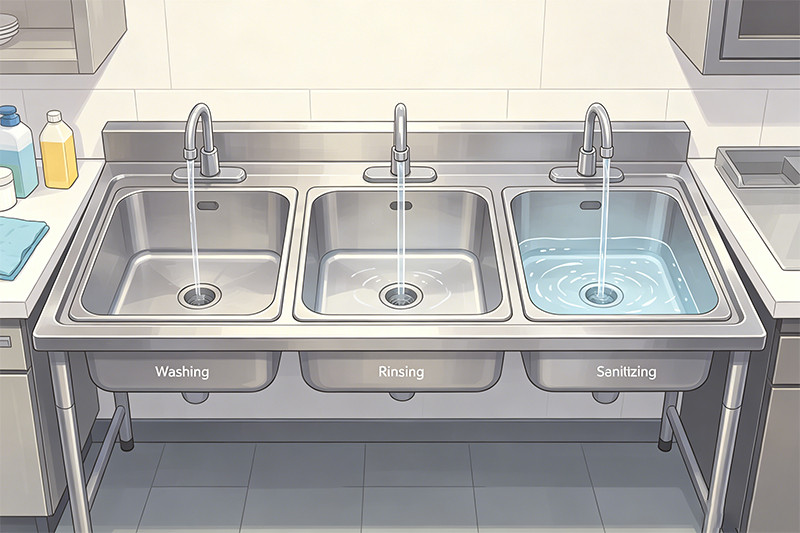
Why Three-Compartment Sinks Are Essential for Our Commercial Kitchen Sink Setup
The three-compartment sink is the undisputed industry standard and a requirement mandated by most health departments and the FDA for manual warewashing. This setup facilitates the critical wash-rinse-sanitize process, which is the foundation of food safety in any commercial kitchen. Even establishments with a commercial dishwasher are often required to have a three-compartment sink as a reliable backup.
The process is logical and sequential:
- Wash: The first compartment is filled with warm water (at least 110°F or 43°C) and a cleaning detergent to scrub and remove visible food debris and grease.
- Rinse: The second compartment contains clean, warm water to rinse away all soap residue from the washed items.
- Sanitize: The third compartment holds either hot water at 171°F (77°C) or a chemical sanitizing solution mixed to the correct concentration to kill remaining bacteria and pathogens.
It is crucial to note that a three-compartment sink must be used exclusively for its intended purpose of cleaning tableware, cookware, and utensils. It should never be used for handwashing, food prep, or dumping mop water, as this can cause dangerous cross-contamination.
Specialized Commercial Kitchen Sinks for Specific Tasks
To maintain the highest level of hygiene and prevent the spread of foodborne illnesses, health codes require dedicated sinks for specific tasks. Separating functions is a non-negotiable aspect of a properly designed commercial kitchen.
Dedicated Handwash Sinks in Our Commercial Kitchen
Handwashing is one of the most critical activities for preventing cross-contamination. The FDA Food Code explicitly states that employees must not wash their hands in sinks used for food prep or warewashing. Therefore, dedicated handwashing sinks are mandatory.
These sinks must be conveniently located, typically in or near food preparation and dishwashing areas, as well as adjacent to restrooms. They need to be supplied with hot and cold running water (the FDA's 2022 Food Code suggests a minimum of 85°F), soap, and a hygienic method for hand drying, like paper towels. Many health codes also require signage to remind employees of proper handwashing procedures. To further reduce contamination risks, many modern kitchens opt for hands-free faucets operated by foot pedals or sensors.
Food Prep Sinks for Efficient Operations
Food preparation sinks, sometimes called produce or vegetable sinks, are used exclusively for tasks like washing fruits and vegetables, thawing frozen foods under running water, or other ingredient preparation steps. Using a separate sink for these activities is vital to prevent raw ingredients from coming into contact with dangerous bacteria from dirty dishes or cleaning chemicals.
Local health codes often specify the dimensions and features of these sinks, which might include large basins to handle bulk produce and integrated drainboards. Depending on the menu and volume of food preparation, a kitchen might require a single or double-bowl prep sink.
Bar Service Sinks for Our Beverage Areas
Bars, pubs, and restaurants with beverage service stations have their own unique needs, which are met by specialized bar sinks. These are typically more compact and designed to fit efficiently under a counter or into a tight bar space. Like their kitchen counterparts, bar sinks often come in multi-compartment configurations (commonly three compartments) to handle the washing, rinsing, and sanitizing of glassware.
In addition to standard multi-bowl units, bar areas may feature dump sinks for disposing of leftover ice and liquids and small hand sinks to ensure bartenders can maintain hygiene without leaving their station. These fixtures are crucial for a smooth, sanitary, and efficient beverage service.
Design Considerations: Undermount vs. Top Mount for Our Commercial Kitchen Sink
While most heavy-duty warewashing stations use freestanding sinks with legs, smaller prep or handwashing sinks are often integrated into countertops. For these installations, the two primary design styles are undermount and top-mount (or drop-in).
Top-Mount (Drop-In) Sinks: These are installed by dropping the sink into a hole cut in the countertop, with the rim of the sink resting on the counter's surface.
- Pros: They are generally less expensive and easier to install, compatible with nearly any countertop material.
- Cons: The lip or rim creates a seam where dirt, grime, and water can collect, making cleaning more difficult.
Undermount Sinks: These are installed from below the countertop, creating a seamless transition from the counter surface to the sink basin.
- Pros: This design is sleek, modern, and makes cleaning countertops exceptionally easy, as debris can be wiped directly into the sink.
- Cons: Undermount sinks are more expensive and complex to install, and they require a solid, water-resistant countertop material like granite, quartz, or stainless steel to support their weight.
For commercial applications where hygiene is paramount, undermount sinks are often preferred for prep areas due to the ease of sanitation. Top-mount sinks can still be a practical and cost-effective choice, especially for utility or handwash stations, provided the rim is properly sealed and regularly cleaned.
Selecting the Best Materials for Your Commercial Kitchen Sink
The material of your commercial sink is a critical decision that influences its durability, hygiene, and long-term value. While several materials exist, the demanding environment of a professional kitchen—with its constant exposure to water, high temperatures, harsh chemicals, and heavy impacts—narrows the choices considerably. The right material will withstand years of rigorous use while being easy to clean and sanitize.
The Indispensable Role of Stainless Steel in Every Commercial Kitchen Sink
When it comes to commercial sinks, stainless steel is the undisputed champion and the industry standard. Its widespread use is due to a unique combination of properties that make it perfectly suited for the rigors of food service environments.
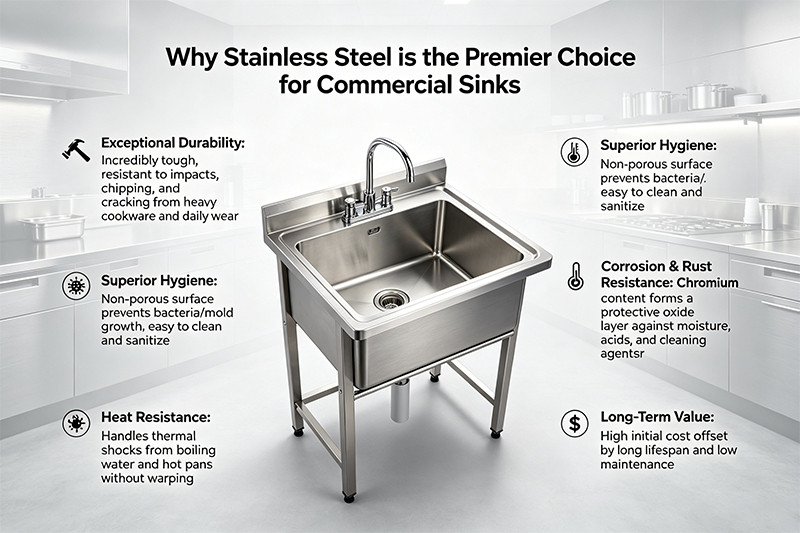
Here's why stainless steel is the premier choice:
- Exceptional Durability: Stainless steel is incredibly tough and resistant to impacts, chipping, and cracking, which is essential when dealing with heavy pots, pans, and daily wear and tear.
- Superior Hygiene: The surface of stainless steel is non-porous, meaning it doesn't have tiny holes or crevices where bacteria, mold, and other microbes can hide and grow. This smooth surface makes it easy to clean and sanitize effectively, a crucial requirement for meeting health codes.
- Corrosion and Rust Resistance: Thanks to its chromium content, stainless steel forms a passive, invisible protective layer of chromium oxide that prevents rust and corrosion. This resistance holds up against moisture, acidic foods, and strong cleaning agents commonly found in kitchens.
- Heat Resistance: Commercial sinks must endure thermal shocks, from boiling water being drained to hot pans placed in the basin. Stainless steel can handle high temperatures without warping or sustaining damage.
- Long-Term Value: While the initial cost of a high-quality stainless steel sink might be higher than some alternatives, its long lifespan and low maintenance needs make it the most cost-effective investment over time.
Deciphering Stainless Steel Gauge for Our Commercial Kitchen Sink Thickness
When selecting a stainless steel sink, one of the most important specifications to understand is its "gauge." The gauge refers to the thickness of the steel sheet used to make the sink. It's a bit counterintuitive: the lower the gauge number, the thicker the steel. A thicker sink is more durable, quieter, and more resistant to dents and damage.
Why Lower Gauge Means Greater Durability for Your Commercial Kitchen Sink
A lower gauge number signifies a thicker sheet of steel, which directly translates to a stronger, more robust sink. Thicker steel is less likely to dent when a heavy pot is accidentally dropped and less prone to vibrating or making loud noises from running water and clattering dishes. For a high-volume commercial kitchen, the added durability of a lower-gauge sink is a smart investment that prevents premature replacement and maintains a more professional and less noisy work environment.
Choosing Between 16-Gauge and 14-Gauge for Heavy-Duty Commercial Kitchen Sinks
For commercial applications, the most common gauges you'll encounter are 16-gauge and 18-gauge, with 14-gauge being reserved for the most demanding environments. While an 18-gauge sink is often sufficient, most experts recommend at least a 16-gauge sink for a typical restaurant kitchen to ensure it can withstand intense use.
- 16-Gauge Stainless Steel: This is widely considered the sweet spot for most commercial kitchens, offering an excellent balance of durability and cost. It is thick enough to resist dents and reduce noise effectively, making it suitable for high-traffic warewashing and prep areas.
- 14-Gauge Stainless Steel: As a thicker and stronger option, 14-gauge steel provides maximum durability. It is the best choice for extremely heavy-duty applications, such as in large institutional kitchens, butcher shops, or facilities where the sinks will be subjected to constant, heavy impact. While it is more expensive, its superior strength ensures an exceptionally long service life in the toughest conditions.
Understanding Stainless Steel Grades: SUS304 vs. SUS316 for Our Commercial Kitchen Sink
Besides gauge, the "grade" of stainless steel is another critical factor. The grade is determined by the alloy composition, specifically the percentages of chromium and nickel, which affect its corrosion resistance and durability.
SUS304 (Type 304) Stainless Steel: This is the most common and widely used grade for commercial kitchen equipment. It typically contains 18% chromium and 8% nickel (often referred to as "18/8 stainless steel"). This composition offers excellent resistance to a wide variety of corrosive elements found in a kitchen, from food acids to cleaning chemicals. For most food service operations, 304-grade steel provides the perfect balance of performance and affordability.
SUS316 (Type 316) Stainless Steel: This is a premium grade of stainless steel that offers superior corrosion resistance. The key difference is the addition of molybdenum (usually 2-3%) to the alloy. This element makes 316 steel significantly more resistant to pitting and corrosion, especially from chlorides (like salt) and harsh industrial chemicals. While more expensive, 316-grade steel is the ideal choice for kitchens in coastal or marine environments where salt in the air can corrode lesser materials, or in facilities that regularly use aggressive cleaning agents.
For the vast majority of restaurants, a sink made from 16-gauge, 304-grade stainless steel offers the ideal combination of durability, hygiene, and value. For specialized applications or extreme environments, upgrading to 14-gauge or 316-grade steel provides an extra layer of security for your investment.
When searching for the perfect sink solution, considering a supplier like Samsink can be highly beneficial. With expertise in custom commercial stainless steel sinks, they can provide guidance on the right grade and gauge for your specific needs, ensuring you get a product that meets international standards for quality and durability. Their proficiency in both SUS304 and SUS316 ensures that whether your operation is a standard restaurant or a specialized coastal facility, you receive a sink built to last.
Crucial Certifications and Hygiene Standards for Our Commercial Kitchen Sink
Choosing a commercial kitchen sink goes far beyond size and material. To ensure safety, durability, and compliance with the law, every sink must meet rigorous hygiene standards and hold specific certifications. These credentials are not just recommendations; they are proof that a product has been tested and verified to be safe for use in a food service environment. For any kitchen operator, understanding these certifications is essential for passing health inspections and protecting both customers and staff.
Navigating Essential Health Regulations for Your Commercial Kitchen Sink
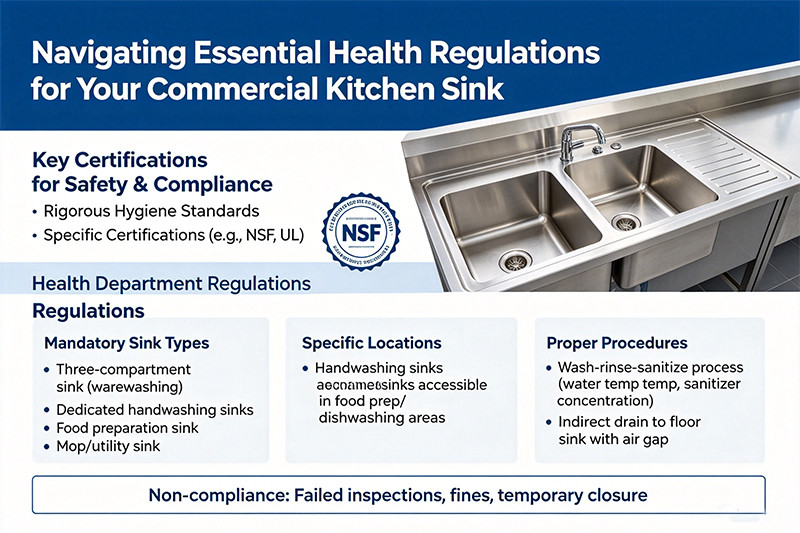
Health departments across the United States enforce strict regulations based on guidelines like the FDA Food Code. These rules are designed to prevent foodborne illness and ensure a sanitary environment. Key regulations for commercial sinks typically include:
- Mandatory Sink Types: Health codes require separate sinks for different tasks to prevent cross-contamination. This includes a three-compartment sink for warewashing, dedicated handwashing sinks, a food preparation sink, and a mop/utility sink.
- Specific Locations: Regulations dictate where sinks must be placed. For instance, handwashing sinks must be conveniently accessible in all food prep and dishwashing areas.
- Proper Procedures: The wash-rinse-sanitize process for three-compartment sinks is a non-negotiable procedure, with specific requirements for water temperature and sanitizer concentration.
- Drainage Requirements: Sinks used for food prep and warewashing often need to be indirectly drained into a floor sink with an air gap. This prevents sewage from backing up and contaminating the sink.
Failure to comply with these regulations can lead to failed health inspections, fines, and even temporary closure of the establishment.
Key Certifications We Look For in a Commercial Kitchen Sink
Certifications are a formal testament to a product's quality, safety, and compliance. They are issued by independent, third-party organizations that conduct rigorous testing. When procuring a commercial kitchen sink, seeing these marks provides confidence and a guarantee of compliance.
NSF/ANSI 61 and Public Health Standards for Our Commercial Kitchen Sink
NSF Certification: The National Sanitation Foundation (NSF) mark is one of the most important certifications for commercial kitchen equipment. An NSF-certified sink has been tested to confirm it meets strict standards for public health and safety. This includes ensuring the material (like 304 stainless steel) is non-toxic and corrosion-resistant, and the design itself promotes hygiene. For example, NSF-certified sinks must have coved (rounded) interior corners to prevent bacteria from getting trapped, making them easier to clean thoroughly.
NSF/ANSI 61: This specific standard applies to "Drinking Water System Components." It ensures that products that come into contact with potable water—such as faucets and the sinks themselves—do not leach harmful contaminants like lead or other chemicals into the water. For a prep sink where produce is washed or a faucet that provides water for cooking, NSF/ANSI 61 certification is a critical safety assurance and is a legal requirement in many jurisdictions.
cUPC and CE Certification: Meeting North American and European Requirements for Commercial Kitchen Sinks
cUPC Certification: This mark signifies that a plumbing product complies with the Uniform Plumbing Code (UPC) and the Canadian National Plumbing Code. Issued by the International Association of Plumbing and Mechanical Officials (IAPMO), the cUPC mark proves that a fixture has been tested for material safety, durability, and performance. For many commercial projects in North America, cUPC certification is mandatory to pass plumbing inspections.
CE Certification: The CE mark is a mandatory conformity marking for products sold within the European Economic Area (EEA). It declares that the product meets the EU's health, safety, and environmental protection requirements. For a commercial sink, especially if it includes electrical components, this certification is essential for legal market access in Europe.
ISO 9001 and Material Standards (ASTM A240/A240M) for Commercial Kitchen Sink Quality
ISO 9001: This is a globally recognized standard for Quality Management Systems (QMS). When a manufacturer is ISO 9001 certified, it demonstrates their commitment to consistently producing high-quality products. It means they have established and follow rigorous processes for design, production, and quality control, which leads to increased reliability and customer satisfaction.
ASTM A240/A240M: This standard from the American Society for Testing and Materials specifically covers chromium and chromium-nickel stainless steel plates, sheets, and strips used for pressure vessels and general applications—which includes the material for sinks. The standard defines the specific chemical composition and mechanical properties of different stainless steel grades, like 304 and 316. Adherence to this standard ensures the raw material used to construct the sink is of high quality and possesses the required durability and corrosion resistance.
Considering LEED/BREEAM for Environmentally Responsible Commercial Kitchen Sink Choices
For businesses focused on sustainability, green building certifications like LEED (Leadership in Energy and Environmental Design) and BREEAM (Building Research Establishment Environmental Assessment Method) are important. While sinks themselves are not directly certified, the choice of fixtures can contribute to earning points in these programs.
- Water Efficiency: Both LEED and BREEAM award credits for reducing potable water consumption. This can be achieved by installing high-efficiency faucets with low flow rates (gallons per minute, or GPM). WaterSense-labeled faucets, for example, use at least 20% less water than standard models and can contribute to earning LEED credits.
Best Practices for Maintaining Hygiene Around Your Commercial Kitchen Sink
A certified, correctly installed sink is only effective if it's kept clean. The area around the sink can be a hotspot for bacteria if not managed properly.
- Clean and Sanitize Regularly: All sinks, taps, and surrounding surfaces must be cleaned and sanitized at the end of every shift, if not more frequently.
- Follow the "Clean As You Go" Principle: Staff should be trained to wipe down surfaces and remove food debris throughout the day to prevent buildup.
- Use the Right Tools: Employ non-abrasive sponges and food-safe cleaners. A simple mixture of baking soda and water can be effective for scrubbing stainless steel without scratching it. White vinegar acts as a natural disinfectant for killing common germs.
- Prevent Clogs and Debris: Use drain strainers to catch food particles and other debris. Regularly flush drains with an appropriate cleaner to prevent buildup and foul odors.
- Air Dry Everything: After sanitizing, dishes, and equipment should be placed on a clean drainboard or rack to air dry. Towel-drying can re-introduce bacteria.
By understanding and prioritizing these certifications and hygiene practices, you can ensure your commercial kitchen sink is a bastion of safety and efficiency, rather than a hidden risk.
Ensuring the Longevity and Optimal Performance of Our Commercial Kitchen Sink
A commercial kitchen sink is a significant investment, and like any valuable piece of equipment, it requires proper care to ensure it performs optimally and lasts for years. Consistent, correct maintenance not only preserves the sink's appearance but is also fundamental to upholding the strict hygiene standards of a professional food service environment. By implementing solid daily practices and long-term care strategies, you can protect your sink from damage, rust, and premature wear.
Daily Cleaning Best Practices for Your Commercial Kitchen Sink
Daily cleaning is the first line of defense against bacteria buildup and surface degradation. A "clean as you go" policy, coupled with a thorough end-of-shift cleaning routine, is essential.
- Remove Debris Immediately: After use, and before starting the main cleaning process, ensure all large food scraps and other debris are scraped and rinsed away from the sink basins and drain strainers.
- Wash with a Mild Solution: Use a soft cloth or sponge with a mild, pH-neutral detergent and warm water (around 110-120°F) to wash all surfaces of the sink. Always scrub in the direction of the stainless steel's grain to avoid creating micro-scratches.
- Rinse Thoroughly: After washing, rinse the entire sink with clean water to remove all soap and detergent residue. Leftover cleaning agents can dull the surface and even cause damage over time.
- Dry Completely: This is a crucial step that is often overlooked. Use a soft, clean microfiber cloth to wipe the sink completely dry. Drying prevents water spots from forming and, more importantly, minimizes the risk of corrosion by not allowing moisture to sit on the surface.
The Right Tools and Supplies for Cleaning Your Commercial Kitchen Sink
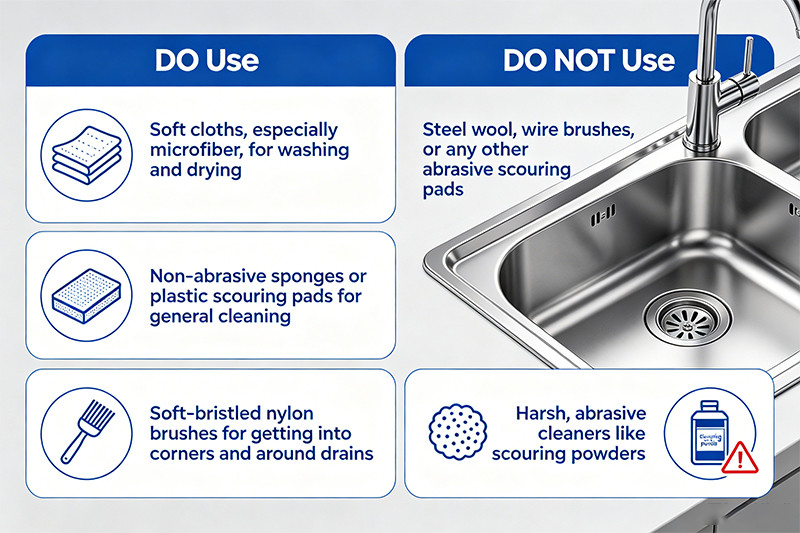
Using the correct tools is as important as the cleaning process itself. Harsh, abrasive materials can permanently damage the sink's protective layer.
DO Use:
- Soft cloths, especially microfiber, for washing and drying.
- Non-abrasive sponges or plastic scouring pads for general cleaning.
- Soft-bristled nylon brushes for getting into corners and around drains.
DO NOT Use:
- Steel wool, wire brushes, or any other abrasive scouring pads. These tools will scratch the stainless steel surface, compromising the passive layer and creating places for rust to form.
- Harsh, abrasive cleaners like scouring powders. These can dull and scratch the finish.
Avoiding Common Maintenance Mistakes with Our Commercial Kitchen Sink
Simple errors can lead to long-term damage. Train all staff to avoid these common mistakes:
- Leaving Metal Items in the Sink: Do not let cast iron pans, carbon steel utensils, or other metal objects sit in the sink for extended periods. Contact between different metals can cause a reaction that leads to rust spots on the stainless steel.
- Using Chlorine Bleach: Avoid cleaners containing chlorides or bleach. These chemicals are highly corrosive to stainless steel and can quickly break down its protective layer, leading to pitting and rust.
- Letting Soaps or Sponges Sit: Don't leave wet sponges, cloths, or bar soap to dry on the sink's surface. Trapped moisture can lead to discoloration and corrosion.
- Cleaning Against the Grain: Always scrub and wipe parallel to the steel's grain lines. This preserves the original finish and prevents visible scratching.
Preventing Rust and Corrosion in Our Commercial Kitchen Sink
Stainless steel is highly resistant to rust, but it is not completely impervious. Rust on a stainless steel sink is usually the result of its protective chromium oxide layer being compromised.
Here’s how to prevent it:
- Keep It Clean and Dry: The most effective preventative measure is consistent daily cleaning and drying. Rust requires moisture to form, so keeping the sink dry when not in use is key.
- Avoid Chloride Exposure: Chlorides are the number one enemy of stainless steel. They are found in salt, many food products, and aggressive cleaners (especially bleach). Always rinse the sink thoroughly after it comes into contact with salty foods or prohibited cleaners.
- Prevent Iron Contamination: Rust spots are often caused by small particles of iron from steel wool, utensils, or water pipes that are left on the sink surface. These particles rust and stain the steel. Ensure only non-abrasive, non-metal tools are used for cleaning.
- Address Water Quality: In areas with hard water, mineral deposits can build up on the surface. These deposits can trap corrosive agents and should be cleaned away regularly with a vinegar-and-water solution.
Dealing with Tough Stains and Safe Chemical Usage for Our Commercial Kitchen Sink
Even with regular care, tough stains can appear. The key is to use the right solution without damaging the sink.
- For General Stains and Water Spots: A paste of baking soda and water can be used as a mild abrasive to gently scrub away stains. For hard water spots, a solution of equal parts white vinegar and water can be effective. Always rinse thoroughly after treatment.
- For Oily or Greasy Residue: A solvent like isopropyl alcohol can be used to remove stubborn grease marks.
- For "Rust" Stains: often, what appears to be rust is just surface staining from iron particles. These can often be removed with a baking soda paste or a specialized, non-abrasive cleaner like Bar Keepers Friend.
- Safe Chemical Use: Always use cleaning chemicals that are specifically approved for stainless steel and follow the manufacturer's dilution and application instructions. Never mix different chemicals, especially bleach and ammonia-based cleaners, as they can create toxic gases. For sanitizing, use food-safe solutions like quaternary ammonium ("quat") and test the concentration to ensure it's effective but not corrosive.
Professional Deep Cleaning and Long-Term Protection Strategies for Our Commercial Kitchen Sink
In addition to daily upkeep, scheduling periodic deep cleans and implementing long-term protection routines will ensure your sink's longevity.
- Periodic Deep Cleaning: On a weekly or monthly basis, perform a more intensive clean. This can include de-liming faucets and using a dedicated stainless steel polish to restore shine and reinforce the protective layer. Many businesses also hire professional cleaning services for a thorough deep clean of the entire kitchen, including hard-to-reach areas around the sink.
- Passivation and Polishing: Applying a food-grade mineral oil or a specialized stainless steel polish can help protect the surface and make it more resistant to fingerprints and smudges. This process, sometimes called passivation, helps restore and strengthen the chromium oxide layer.
- Regular Inspections: Train staff to inspect sinks regularly for any early signs of pitting, scratches, or corrosion. Addressing these small issues promptly can prevent them from becoming major problems that require costly repairs or replacement.
By treating your commercial kitchen sink with this level of care, you ensure it remains a safe, functional, and aesthetically pleasing asset for many years.
Strategic Sourcing: Procuring the Best Commercial Kitchen Sink Solutions
Procuring a commercial kitchen sink is a strategic decision that extends far beyond a simple purchase. It involves balancing upfront costs with long-term value, finding reliable manufacturing partners, and understanding the total financial impact on your operation. A smart sourcing strategy ensures you acquire a sink that is not only compliant and durable but also cost-effective throughout its entire lifespan.
Achieving Cost-Efficiency in Commercial Kitchen Sink Manufacturing
While a low sticker price can be tempting, true cost-efficiency in a commercial sink comes from durable materials and intelligent manufacturing. High-quality stainless steel, like 16-gauge Type 304, offers superior longevity and requires fewer repairs, making it a better long-term investment than cheaper, thinner alternatives. Leading manufacturers achieve cost-efficiency through:
- Volume Production and Automation: Leveraging automated processes like laser cutting and robotic welding ensures precision and consistency while reducing labor costs.
- Optimized Supply Chains: Sourcing raw materials directly from concentrated markets can significantly lower production costs.
- OEM/ODM Capabilities: Partnering with a manufacturer that offers Original Equipment Manufacturer (OEM) or Original Design Manufacturer (ODM) services allows businesses to get customized products without the overhead of designing from scratch.
This approach ensures that even custom or high-grade sinks remain affordable without sacrificing the quality needed for a demanding commercial environment.
Choosing the Right Supplier for Our Commercial Kitchen Sink Needs
Selecting the right supplier is as crucial as choosing the sink itself. A reliable supplier is a partner who can guarantee quality, consistency, and support. When evaluating suppliers, consider the following:
- Product Quality and Certifications: The supplier must provide products that meet industry standards. Verify essential certifications like NSF, cUPC, and ISO 9001. Request product samples to physically inspect the build quality, welding, and finish.
- Manufacturing Capabilities: A supplier with in-house fabrication, including cutting, welding, and polishing, has greater control over quality and can offer more customization. Look for manufacturers that can support both standard and custom requirements.
- Reliability and Logistics: Assess their track record for on-time delivery and their ability to handle export packing and batch-supply logistics for large or ongoing projects.
- Industry Reputation: Look for suppliers with a proven history in the food service, healthcare, or hospitality sectors. Check for client testimonials and case studies.
For businesses looking for a partner that combines manufacturing excellence with strategic sourcing, Samsink is a prime example. With decades of experience in stainless steel manufacturing and robust OEM/ODM services, Samsink provides high-quality commercial sinks that are both certified and cost-effective. They offer a comprehensive range of products, from standard handwash basins to fully custom multi-compartment sink tables, ensuring clients can find a solution tailored to their specific operational and budgetary needs. Their ability to deliver customized, certified products with fast lead times makes them a valuable partner for distributors, hotel chains, and large-scale projects worldwide.
The Importance of Total Cost of Ownership for Our Commercial Kitchen Sink Investment
The true cost of a commercial sink is not just its purchase price. The Total Cost of Ownership (TCO) provides a complete financial picture by encompassing all expenses over the equipment's lifespan. Purchasing based on the lowest initial price often leads to higher long-term costs.
TCO includes:
- Initial Purchase Price: The upfront cost of the sink, including any taxes and shipping.
- Installation Costs: Expenses related to plumbing, modifications, and labor.
- Operating Costs: While minimal for sinks, this can include water and energy usage for associated fixtures like faucets.
- Maintenance and Repair Costs: Expenses for routine cleaning, replacement parts, and emergency repairs. A cheaper, less durable sink will almost certainly incur higher maintenance costs.
- Downtime Costs: The loss of revenue and productivity if a critical sink fails and disrupts kitchen operations.
Analysis shows that the initial purchase price of commercial kitchen equipment often only accounts for 35-50% of its TCO over a five-year period. Investing in a higher-quality, more durable sink upfront dramatically reduces maintenance and replacement costs, offering significant savings over time. A durable 16-gauge sink may last 40-50% longer than a budget alternative, providing a much lower annualized cost and a better return on investment. Prioritizing TCO over sticker price is essential for making a sound financial decision that supports the long-term health of your business.
Frequently Asked Questions (FAQ)
1. What is the most important factor when choosing a commercial kitchen sink? Compliance with local health codes is the most critical factor. This almost always requires a three-compartment sink for warewashing and dedicated handwashing sinks to prevent cross-contamination. Beyond that, material quality (16-gauge, 304-grade stainless steel is recommended) is key for durability.
2. Why is the gauge of stainless steel important? The gauge indicates the thickness of the steel—a lower number means thicker, more durable steel. A 16-gauge sink is thicker and more resistant to dents, noise, and wear than an 18-gauge sink, making it a better long-term investment for a busy commercial kitchen.
3. Can I use a regular residential sink in a commercial kitchen? No. Residential sinks do not meet the durability, size, and sanitation standards required by health codes for commercial use. They lack features like NSF certification and the robust construction needed to withstand heavy use and harsh cleaning chemicals.
4. What does NSF certification mean for a sink? NSF (National Sanitation Foundation) certification guarantees that a sink has been tested by a third party and meets strict public health and safety standards. It ensures the materials are non-toxic, corrosion-resistant, and the design (e.g., coved corners) is easy to clean and sanitize.
5. How can I prevent my stainless steel sink from rusting? Although stainless steel is rust-resistant, it can corrode if its protective layer is damaged. To prevent rust, clean the sink daily with mild soap and water, always wipe it dry, avoid abrasive tools like steel wool, and never use cleaners containing bleach or other chlorides.
6. What is the difference between SUS304 and SUS316 stainless steel? SUS304 is the industry standard for most kitchens, offering excellent corrosion resistance. SUS316 contains an added element, molybdenum, which provides superior resistance to corrosion from salt and other harsh chemicals. 316-grade steel is recommended for kitchens in coastal areas or facilities using very aggressive cleaners.
Conclusion
We've covered the critical aspects of commercial kitchen sinks, from the various types and essential materials to crucial hygiene standards and maintenance best practices. Our goal is to help you make informed decisions that enhance your kitchen's efficiency, compliance, and longevity. The right sink is not merely a utility but a central component in the fight against foodborne illness and a key driver of a smooth, productive workflow.
By prioritizing a commercial kitchen sink that is properly certified, constructed from durable materials like 16-gauge, 304-grade stainless steel, and suited for its specific task, you are investing in the safety and health of your customers. This careful selection streamlines operations, empowers your staff to maintain high hygiene standards, and contributes to a more sustainable and professional kitchen environment. We hope this guide empowers you to make the best choices for your business.
Remember, the commercial kitchen sink is more than just a basin; it's a strategic investment in your kitchen’s productivity and reputation. Consistent maintenance and a keen eye on quality standards will ensure your sinks serve you well for years to come. If you have any further questions or found this guide helpful, please share it with your colleagues and leave a comment below