Top 10 manufacturers making commercial stainless steel hand sinks、mop sink、racks etc.in Southeast Asia
- Share
- Issue Time
- Dec 16,2025
Summary
Southeast Asia has emerged as a crucial manufacturing hub for commercial kitchen equipment, offering high-quality, durable stainless steel products like sinks, mop sinks, and racks. The region's appeal stems from competitive pricing, a skilled workforce, and adherence to international standards. Stainless steel, particularly SUS304 and SUS316 grades, is favored for its hygiene, durability, and resistance to corrosion, crucial for food safety. This guide highlights leading manufacturers across So
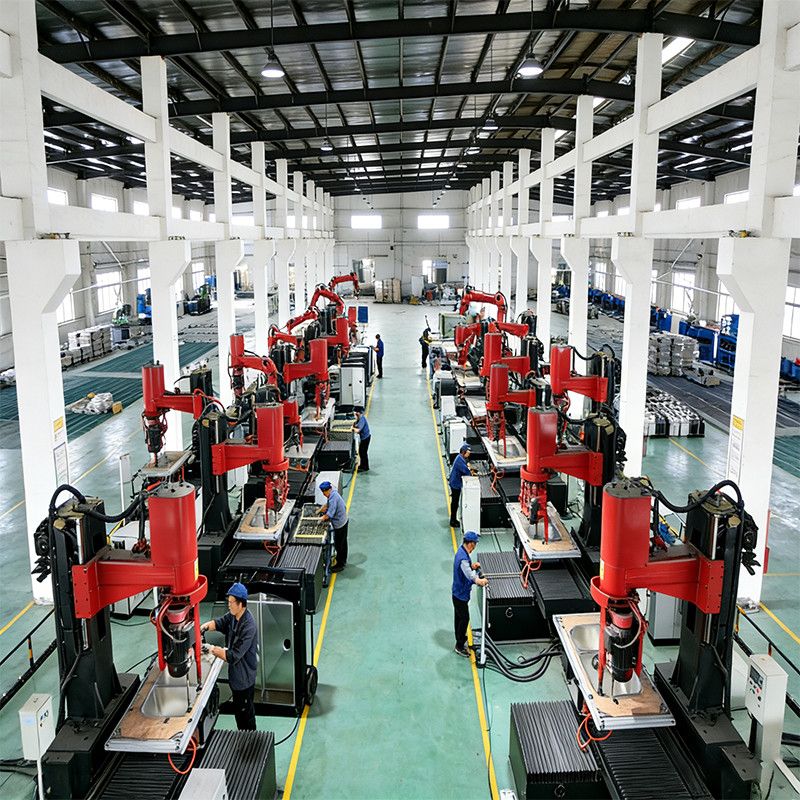
As we delve into the dynamic commercial kitchen industry, identifying top manufacturers of essential stainless steel products like sinks, mop sinks, and racks in Southeast Asia is crucial. This region is rapidly emerging as a manufacturing hub, making it a key focus for businesses seeking quality and value in commercial kitchen equipment. Stainless steel is the material of choice for commercial kitchens due to its durability, hygienic properties, and resistance to corrosion and heat. Its non-porous surface prevents bacteria growth and is easy to sanitize, which is essential for meeting food safety standards.
Choosing the right supplier for commercial stainless steel equipment is a critical decision that impacts a commercial kitchen's efficiency, hygiene, and workflow. That's why we're exploring who are the top 10 manufacturers making commercial stainless steel hand sinks, mop sinks, racks, etc. in Southeast Asia. A reliable supplier ensures you receive high-quality, durable products that meet industry standards. This guide aims to provide valuable insights for informed procurement, focusing on manufacturers known for their innovation, commitment to quality, and ability to meet diverse industry needs.
In this comprehensive guide, we'll navigate the bustling market of Southeast Asia to highlight the leading manufacturers that excel in producing durable, high-quality stainless steel solutions designed to withstand the rigorous demands of commercial environments. From understanding the different grades of stainless steel to evaluating after-sales support, we will cover all the essential factors to help you make the best choice for your business.
Key Takeaways
This guide provides an in-depth look at the top manufacturers of commercial stainless steel kitchen equipment in Southeast Asia, offering valuable insights for anyone in the food service industry. Here are the key takeaways from this article:
- Southeast Asia as a Manufacturing Hub: The region has become a strategic location for sourcing commercial kitchen equipment due to competitive pricing, a skilled workforce, and increasing investment in advanced manufacturing technologies. This growth is driven by the demand for high-quality, durable stainless steel products that meet international standards.
- Importance of Stainless Steel: Stainless steel, particularly grades like SUS304, is fundamental in commercial kitchens for its hygienic properties, durability, and resistance to heat and corrosion. Its non-porous surface is easy to clean and sanitize, making it ideal for maintaining food safety.
- Top Manufacturers Across the Region: We spotlight leading manufacturers in Vietnam, Thailand, Indonesia, and Malaysia.
- Vietnam: Home to companies like BEST SINK, which specializes in both handmade and pressed sinks.
- Thailand: A major player with companies such as Taje Stainless Steel Products, DIKA, and samsink. Notably, samsink is a trusted OEM/ODM manufacturer for major international brands like Elkay, Johnboos, and Lotte, producing a wide range of products including commercial hand sinks, mop sinks, racks, ice bins, and floor troughs.
- Indonesia: Features manufacturers like PT Gastro Gizi Sarana, which focuses on equipment for the food service industry.
- Malaysia: Represented by major players like Berjaya CKE, known for providing customized kitchen solutions.
- Key Selection Criteria: When choosing a manufacturer, it’s crucial to consider several factors:
- Quality and Durability: Look for products made from high-grade stainless steel (like SUS304) and certified by international standards such as NSF and cUPC to ensure they can withstand the demanding environment of a commercial kitchen.
- Customization: The ability to tailor products to specific kitchen layouts and workflows is a significant advantage. Many top manufacturers offer customization for sink dimensions, bowl configurations, and integrated features like drainboards and workstations.
- After-Sales Support: Reliable after-sales service, including comprehensive warranties, technical support, and efficient logistics, is essential for minimizing downtime and ensuring long-term value.
- Strategic Placement of Sinks: The guide emphasizes the importance of a well-thought-out kitchen design, with different types of sinks placed strategically to optimize workflow and hygiene. This includes dedicated hand sinks at entrances, multi-compartment sinks for dishwashing, prep sinks in food prep zones, and specialized bar and mop sinks.
- Making an Informed Decision: By understanding the strengths of different manufacturers and a clear set of evaluation criteria, businesses can select a supplier that aligns with their operational needs, budget, and long-term goals. This ensures a more efficient, hygienic, and productive kitchen environment.
Spotlight on Leading Manufacturers: Who Are the Top 10 Manufacturers Making Commercial Stainless Steel Hand Sinks, Mop Sinks, Racks, etc. in Southeast Asia?
The commercial kitchen equipment landscape in Southeast Asia is vibrant and competitive, with numerous manufacturers offering a wide range of stainless steel products. Below, we highlight some of the key players from different countries in the region, recognized for their quality, innovation, and market presence.
Key Players in Vietnam's Stainless Steel Sink Manufacturing
Vietnam has steadily grown as a manufacturing force in the region, with several companies making a name for themselves in the stainless steel sector.
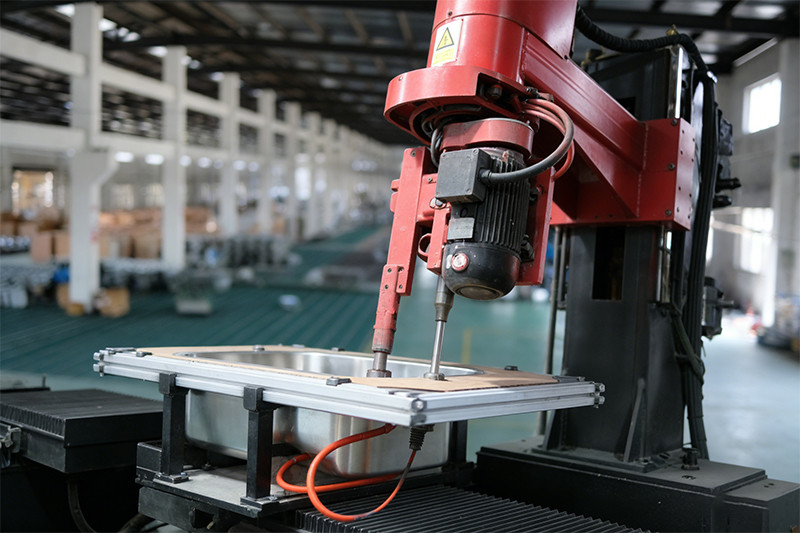
BEST SINK: A prominent stainless steel sink manufacturer in northern Vietnam specializing in handmade and pressed sinks.
BEST SINK has established itself as a significant player in the Vietnamese market, focusing on both traditional handmade sinks and modern pressed sinks. Handmade sinks are often favored for their design flexibility and thick-gauge steel, allowing for custom dimensions and unique configurations. Pressed sinks, on the other hand, are mass-produced with high precision, offering consistency and cost-effectiveness. By offering both, BEST SINK caters to a broad spectrum of commercial kitchen needs, from bespoke restaurant kitchens to large-scale institutional facilities.
Other notable Vietnamese manufacturers and their contributions.
Beyond specialized sink producers, Vietnam is home to a growing number of manufacturers that provide a complete suite of stainless steel kitchen equipment. These companies often combine local manufacturing expertise with international quality standards, exporting their products across the globe. They contribute to the local economy by creating jobs and developing a skilled workforce capable of handling sophisticated production techniques, further cementing Vietnam's reputation as a reliable sourcing hub.
Thai Innovators in Stainless Steel Commercial Kitchen Equipment
Thailand has long been a manufacturing powerhouse in Southeast Asia, and its commercial kitchen equipment sector is no exception. The country boasts a mix of large-scale enterprises and specialized firms known for their technological advancements and quality control.
Taje Stainless Steel Products (Thailand) Co., Ltd.: A comprehensive enterprise aiming to be a top sink manufacturer in Southeast Asia, known for its production and quality control systems.
Taje Stainless Steel Products has an ambitious vision, backed by a state-of-the-art production facility and stringent quality control protocols. The company aims to lead the Southeast Asian market by investing in advanced machinery and automation, which allows for high-volume production without compromising on quality. Their focus on systematic quality checks at every stage of the manufacturing process ensures that their products, ranging from sinks to worktables, consistently meet the demanding expectations of the commercial food service industry.
DIKA (under Chica Dragon): A company with a production site in Thailand serving the U.S. market, focusing on quality stainless steel sinks.
DIKA, operating under the umbrella of Chica Dragon, is a prime example of a manufacturer in Thailand that specifically targets high-standard export markets like the United States. This focus requires adherence to strict international certifications and quality benchmarks. Their production facility in Thailand leverages the country's manufacturing advantages while producing sinks that are designed and engineered to appeal to the aesthetic and functional requirements of the American commercial kitchen market.
Other impactful Thai manufacturers.
Thailand's ecosystem of stainless steel manufacturers is diverse. Alongside major players, there are highly specialized companies like samsink. Located in Thailand, samsink has carved out a niche as a premier OEM/ODM manufacturer of commercial stainless steel products. The company is a trusted supplier for globally recognized brands such as Elkay, Johnboos, and Lotte. Their extensive product line includes commercial hand sinks, mop sinks, durable racks, specialized ice bins, and floor troughs, all engineered for the rigorous demands of the food service industry. This partnership with major international brands underscores the high level of quality, reliability, and innovation that Thai manufacturers bring to the global market.
Indonesian Manufacturers Shaping the Commercial Stainless Steel Landscape
Indonesia, with its large domestic market and growing industrial capabilities, is another key country for commercial kitchen equipment manufacturing in Southeast Asia.
PT Gastro Gizi Sarana: Specializes in commercial kitchen equipment, including stainless steel products for the food service industry.
PT Gastro Gizi Sarana is a well-established name in the Indonesian food service industry. The company offers a comprehensive range of commercial kitchen solutions, with a strong focus on stainless steel fabrication. They cater to a wide variety of clients, including hotels, restaurants, hospitals, and catering services. Their specialization lies in understanding the unique operational needs of different food service businesses and providing durable, hygienic, and efficient stainless steel equipment to match.
Other significant Indonesian manufacturers of stainless steel sinks and kitchen equipment.
The Indonesian market also features a variety of other manufacturers that contribute to the industry's growth. These companies range from large-scale producers exporting their goods to smaller, more specialized workshops focusing on custom fabrications. They play a crucial role in supplying the burgeoning local hospitality sector and are increasingly looking to expand their reach into international markets, leveraging Indonesia's competitive manufacturing environment.
Malaysian Leaders in Commercial Kitchen Solutions
Malaysia has a robust manufacturing sector that includes several leading producers of commercial kitchen equipment, known for their engineering prowess and ability to deliver tailored solutions.
Berjaya CKE: A major commercial kitchen equipment manufacturer in Malaysia offering tailored solutions.
Berjaya CKE stands out as one of Malaysia's leading suppliers of commercial kitchen equipment. A key strength of the company is its ability to provide comprehensive, customized solutions for commercial kitchens. Their website emphasizes their commitment to quality and customer satisfaction, showcasing a portfolio that includes everything from exhaust hoods to custom food trucks. They have invested in advanced technology and facilities to design, innovate, and produce high-quality equipment tailored for large-scale market demands.
Exploring Other Key Regional Manufacturers and Their Specialties
Beyond the specific country leaders, the entire Southeast Asian region is dotted with manufacturers that offer unique specializations and comprehensive product ranges.
Companies offering customized stainless steel solutions across Southeast Asia.
One of the key trends in the commercial kitchen industry is the demand for customized solutions. Many manufacturers in Southeast Asia have developed strong capabilities in custom fabrication. This allows them to design and produce stainless steel sinks, worktables, and storage racks that fit perfectly into unconventional kitchen layouts or are built to meet very specific workflow requirements. These companies work closely with clients to create bespoke equipment that maximizes efficiency and space utilization.
Manufacturers providing a wide range of commercial kitchen equipment, including sinks, work tables, and storage.
To be a one-stop shop for clients, many regional manufacturers offer an extensive catalog of products. Companies like MSM Equipment Manufacturer Sdn. Bhd. in Malaysia, established in 1985, provide a broad range of standard and custom stainless steel kitchen equipment, including hot and cold appliances. Similarly, distributors like Allied Foodservice Equipment and Sia Huat operate across Southeast Asia, representing a diverse portfolio of international and local brands to meet the evolving needs of commercial kitchens in the region.
Southeast Asia's Commercial Stainless Steel Market: What Are the Top 10 Manufacturers Making Commercial Stainless Steel Hand Sinks, Mop Sinks, Racks, and More?
The market for commercial stainless steel products in Southeast Asia is expanding rapidly, driven by a combination of economic growth, a booming hospitality industry, and the region's emergence as a global manufacturing hub. This section explores the factors behind this rise and the diverse needs of the commercial kitchens these manufacturers serve.
The Rise of Southeast Asia as a Manufacturing Powerhouse for Commercial Kitchen Equipment
For years, Southeast Asia has been methodically building its industrial capacity. Today, it stands as a strategic alternative to traditional manufacturing giants, offering a compelling mix of cost-effectiveness, quality, and logistical advantages.
Why Southeast Asia is a Strategic Sourcing Location
Southeast Asia offers a multitude of strategic advantages for sourcing commercial kitchen equipment. The region benefits from a relatively low-cost, yet increasingly skilled, labor force. Governments in countries like Thailand, Vietnam, and Malaysia have actively promoted foreign investment through favorable policies and infrastructure development. Furthermore, the region's strategic geographic location provides excellent access to global shipping lanes, facilitating efficient logistics and distribution to markets in North America, Europe, and a fast-growing Pan-Asian market. This combination of factors makes it a highly attractive location for companies looking to optimize their supply chains.
Key Factors Driving Growth in Stainless Steel Production
Several factors are fueling the expansion of stainless steel production in the region. The tourism and hospitality sectors in Southeast Asia are experiencing explosive growth, leading to a surge in a restaurant, hotel, and resort construction, all of which require fully equipped commercial kitchens. There is also a growing emphasis on food safety and hygiene standards across the region, which drives demand for easy-to-clean and durable stainless steel products. Additionally, manufacturers are continuously investing in new technologies and production methods to improve efficiency and product quality, allowing them to compete on a global scale. Allied Metals in Thailand, for example, focuses on sustainable and energy-efficient kitchen solutions, addressing modern challenges like manpower shortages and environmental impact.
Understanding the Diverse Needs for Commercial Stainless Steel Products
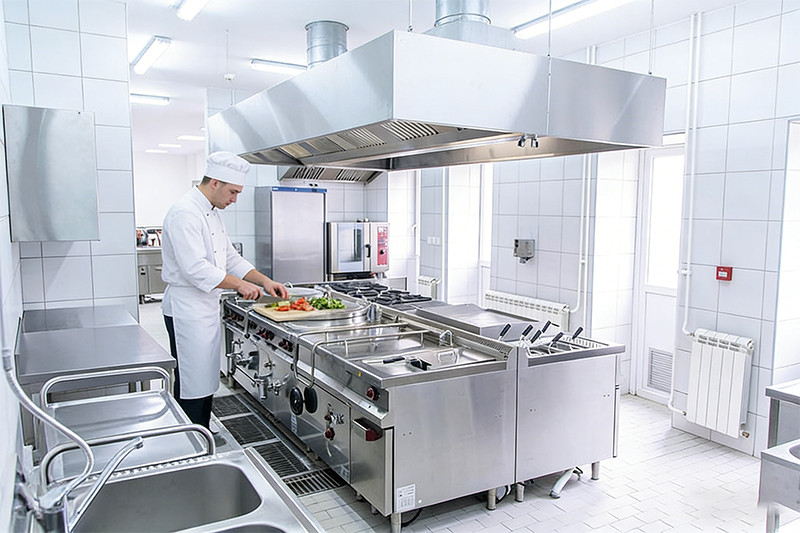
A commercial kitchen is a complex ecosystem where every piece of equipment plays a specific role. Stainless steel is the backbone of this environment, molded into various forms to meet a wide array of functional demands.
Different Types of Sinks and Their Strategic Placement
Effective kitchen design depends heavily on the strategic placement of different types of sinks, each serving a distinct purpose:
- Hand Sinks: Small, dedicated sinks for handwashing are a legal and practical necessity. They must be placed at kitchen entrances and in food preparation areas to ensure staff can maintain hygiene without cross-contaminating food surfaces.
- Multi-Compartment Sinks: Typically featuring two, three, or four bowls, these are the workhorses of the dishwashing area. They facilitate the wash-rinse-sanitize process required by health codes.
- Prep Sinks: These are used exclusively for washing vegetables, thawing frozen foods, and other food preparation tasks. They are located in the prep zones to streamline workflow.
- Mop Sinks: Low, floor-mounted sinks are designed for filling and emptying mop buckets, ensuring that cleaning activities are kept separate from food preparation areas.
- Bar Sinks: Found in bar and beverage stations, these often include multiple compartments for washing glassware, a dump sink for liquid waste, and an ice bin.
The Importance of Durable Racks and Storage Solutions
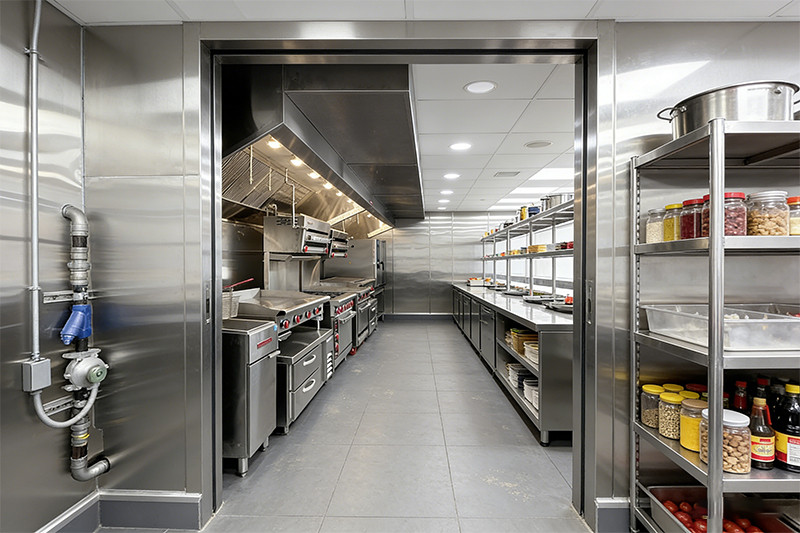
Storage is a critical component of any commercial kitchen. Stainless steel is the ideal material for shelving, wall racks, and dunnage racks due to its strength and resistance to corrosion. Durable racks are essential for organizing ingredients, cookware, and clean dishes in a way that is both safe and accessible. Proper storage solutions not only improve workflow efficiency but also help maintain a hygienic environment by keeping items off the floor and allowing for proper air circulation. Well-designed racking systems can be customized to maximize vertical space, which is especially valuable in smaller kitchens.
Factors to Consider When Selecting from the Top 10 Manufacturers Making Commercial Stainless Steel Hand Sinks, Mop Sinks, Racks, etc. in Southeast Asia
Choosing the right manufacturer is a strategic decision that goes beyond comparing price tags. It involves a thorough evaluation of quality, customization capabilities, and long-term support. Making an informed choice ensures your investment is durable, compliant, and perfectly suited to your operational needs.
Quality and Durability: The Stainless Steel Advantage
The material itself is the foundation of any piece of kitchen equipment. In a commercial setting, where equipment is subjected to constant use, high temperatures, moisture, and harsh cleaning chemicals, the quality of the stainless steel is paramount.
The importance of SUS304 and SUS316 steel in commercial settings.
Stainless steel is not a single material but a family of alloys. For commercial kitchens, two grades are predominantly used:
- Type 304 (SUS304): This is the most common and versatile grade of stainless steel used in food service equipment. It contains 18% chromium and 8% nickel, which gives it excellent resistance to rust and corrosion. It's durable, easy to form and weld, and provides the hygienic surface required for food preparation areas, worktops, and sinks.
- Type 316 (SUS316): This grade contains the same elements as 304 but with the addition of molybdenum. This makes it significantly more resistant to corrosion from chlorides (like salt) and other harsh chemicals. SUS316 is often specified for marine environments, very high-use dishwashing areas, and facilities where strong chemical sanitizers are frequently used.
Choosing a manufacturer that uses the appropriate grade for each application is crucial for ensuring the longevity of your equipment.
Compliance with international standards like cUPC and NSF.
Reputable manufacturers demonstrate their commitment to quality and safety through third-party certifications. When sourcing equipment, especially for markets in North America, look for these key marks:
- NSF (National Sanitation Foundation): An NSF certification ensures that the equipment is designed and constructed in a way that promotes food safety. This includes having smooth, easily cleanable surfaces without crevices where bacteria can harbor.
- cUPC (Uniform Plumbing Code for Canada and the US): This certification applies to plumbing fixtures like sinks and faucets. It certifies that the products meet established standards for both performance and safety, ensuring they are safe for contact with drinking water and are properly constructed.
A manufacturer’s compliance with these standards is a strong indicator of their credibility and the reliability of their products.
Customization and Innovation for Optimal Workflow
Every commercial kitchen is unique in its layout, menu, and workflow. Off-the-shelf equipment may not always be the most efficient solution. Leading manufacturers differentiate themselves by offering customization and innovative features.
Tailoring sink shapes, sizes, and configurations to specific kitchen needs.
The ability to customize is a significant advantage. A manufacturer that can tailor sink dimensions, bowl depths, and the number of compartments allows you to create a workstation that is perfectly optimized for your space and tasks. This could mean a long, narrow sink for a tight galley kitchen or a large, multi-user island sink for a high-volume prep area. Customization minimizes wasted space and maximizes labor efficiency.
Integrated features like drainboards, backsplashes, and workstations.
Innovation in stainless steel fabrication has led to highly integrated and multifunctional workstations. Look for manufacturers who can incorporate features like:
- Integrated Drainboards: Grooved surfaces that allow dishes and utensils to air dry directly into the sink.
- High Backsplashes: These protect the wall from splashes and can be outfitted with shelves or racks for storing cleaning supplies or frequently used tools.
- Workstation Sinks: These modern designs feature a ledge system that allows for sliding accessories like cutting boards, colanders, and dish racks over the sink, effectively turning the sink area into a versatile prep station.
After-Sales Support and Supply Chain Efficiency
The relationship with a manufacturer doesn't end after the purchase. Reliable support and efficient logistics are critical for the long-term success of your operation.
The value of comprehensive warranties and dedicated customer support.
A strong warranty is a manufacturer's promise to stand behind their product. Look for clear warranty terms that cover defects in materials and workmanship. Beyond the warranty, responsive customer support is invaluable. Whether you have a question about installation or need a replacement part, a dedicated support team can help minimize downtime and resolve issues quickly.
Fast delivery and efficient logistics from Southeast Asian manufacturers.
For international buyers, an efficient supply chain is crucial. Leading manufacturers in Southeast Asia have well-established logistics networks to ensure that products are delivered safely and on time. They should provide clear communication regarding production lead times, shipping options, and tracking information. A manufacturer that can manage the complexities of international shipping provides significant peace of mind and ensures your project stays on schedule. If you have any inquiries about specific needs or wish to discuss custom solutions, do not hesitate to contact us for expert guidance.
Specific Commercial Sink Types and Their Ideal Placement
A well-designed commercial kitchen is like a finely tuned machine, where every component is strategically placed to ensure a smooth, efficient, and hygienic workflow. Sinks are among the most critical components, and their type and location must be carefully planned.
Hand Sinks: Ensuring Hygiene Accessibility
Handwashing is the first line of defense against foodborne illness. Dedicated hand sinks are non-negotiable in any food service establishment and must be placed for maximum accessibility and compliance with health codes.
Placement in restrooms and near entrances for staff and customers.
Hand sinks must be conveniently located. In a commercial kitchen, this means placing them at the entrance where employees report for their shifts, allowing them to wash their hands before starting work. They should also be present in or near restrooms. Placing them in different zones of the kitchen—such as the prep area, cooking line, and dishwashing station—reminds staff to wash their hands frequently, especially after switching tasks.
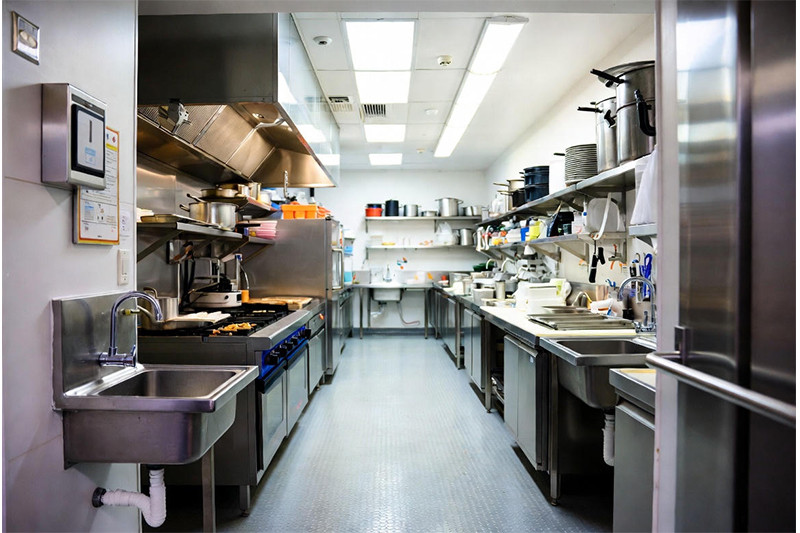
Multi-Compartment Sinks: Facilitating Dishwashing and Prep
These sinks are the workhorses of the kitchen, designed for manual warewashing and sometimes for food preparation, provided they are cleaned and sanitized between uses.
Strategic location near dish and utensil usage areas.
The primary location for a multi-compartment sink is the dishwashing area. A three-compartment sink is the standard for the wash-rinse-sanitize process. It should be positioned to create a logical flow: a landing area for dirty dishes, the sink itself, and then a clean drainboard or rack for air drying. This setup prevents cross-contamination between dirty and clean items.
Adequate space for multiple users.
In high-volume kitchens, the dishwashing station can become a bottleneck. Choosing a larger multi-compartment sink or installing multiple units can allow several employees to work simultaneously. Ensuring there is ample space around the sink for maneuvering and placing dish racks is also crucial for efficiency and safety.
Bar Sinks and Mop Sinks: Specialized Solutions
These sinks are designed for very specific tasks and are essential for maintaining both service efficiency and overall facility cleanliness.
Bar sinks near glassware and bar equipment.
A bar sink is the command center for a bartender. It is typically a multi-compartment unit designed to fit under the bar counter. Its placement is critical: it should be within easy reach of the bartender, adjacent to the ice bin, glassware storage, and drink-making stations. This allows for a seamless workflow of serving drinks, dumping old ones, and washing glassware without having to leave the bar area.
Mop sinks in accessible cleaning areas.
A mop sink, also known as a janitorial or service sink, should be located in a utility closet or a designated cleaning supply area. It needs to be easily accessible to janitorial staff but isolated from food preparation and storage zones to prevent any risk of contamination. Having a dedicated, floor-mounted mop sink avoids the hazardous and unhygienic practice of filling and emptying buckets in food prep or dishwashing sinks.
Prep Sinks and Utility Sinks: Enhancing Kitchen Operations
These sinks support the core activities of food preparation and general cleaning, helping to keep the kitchen organized and hygienic.
Prep sinks near food preparation areas for washing produce.
Prep sinks are dedicated to food-related tasks. They should be located directly within the food preparation zone, close to cutting boards and worktables. This allows chefs to efficiently wash vegetables, rinse poultry, or thaw frozen items without having to carry them across the kitchen, which would increase the risk of drips and cross-contamination.
Utility sinks for cleaning large pots and pans, and sanitizing equipment.
A utility sink is typically a large, deep, single- or double-basin sink. It’s designed for tasks that are too cumbersome for other sinks, such as washing oversized stockpots, cleaning large pieces of equipment, or soaking greasy filters. Placing it near the main cooking line or the dishwashing area can be effective, as long as it doesn't interrupt the primary workflow of either station.
Frequently Asked Questions (FAQ)
1. What is the best type of stainless steel for commercial kitchen sinks? The best and most commonly used type of stainless steel for commercial kitchen sinks is Type 304 (also known as a SUS304 or 18/8 stainless steel). This grade offers an excellent balance of corrosion resistance, durability, and cost-effectiveness. It contains 18% chromium and 8% nickel, which makes it highly resistant to rust and staining from food acids and cleaning chemicals. For extremely harsh environments with high exposure to salt or corrosive chemicals, Type 316 stainless steel is a superior option as it includes molybdenum for enhanced corrosion resistance, but it comes at a higher cost.
2. Why should I consider a manufacturer from Southeast Asia over a local one? Sourcing from Southeast Asia can offer significant strategic advantages. Manufacturers in countries like Thailand and Vietnam often provide a lower cost of production due to competitive labor rates and an efficient supply chain, leading to more affordable pricing without sacrificing quality. Furthermore, the region has become a hub for specialized manufacturing, with many companies investing heavily in state-of-the-art technology and adhering to international quality standards like NSF and cUPC. For buyers in North America or Europe, these manufacturers can serve as reliable partners for high-volume orders and customized products, often providing a better value proposition than local options.
3. What is the functional difference between a hand sink, a prep sink, and a utility sink? These sinks are designed for separate, specific functions to ensure hygiene and workflow efficiency:
- Hand Sink: A small, dedicated sink used exclusively for washing hands. It must be separate from all other sinks and supplied with soap and paper towels to prevent cross-contamination.
- Prep Sink: Used solely for food preparation tasks, such as washing vegetables, rinsing meat, or thawing food. Keeping these tasks confined to a dedicated sink prevents food from coming into contact with surfaces used for cleaning.
- Utility Sink: A large, deep basin sink designed for non-food tasks like filling mop buckets, washing large pots and pans, or cleaning equipment parts. It keeps janitorial and heavy-duty cleaning activities separate from food prep areas.
4. How important are NSF and cUPC certifications? These certifications are critically important for ensuring safety, hygiene, and compliance.
- NSF (National Sanitation Foundation) certification confirms that the equipment is designed and constructed in a way that is easy to clean and sanitize, promoting food safety. Health inspectors often require NSF-certified equipment in commercial kitchens.
- cUPC (Uniform Plumbing Code) certification applies to plumbing fixtures and fittings, ensuring they meet performance and safety standards for plumbing systems in the US and Canada. It guarantees that the materials are safe for contact with potable water and that the fixture will function correctly. Choosing products with these certifications ensures you are buying high-quality, safe, and regulation-compliant equipment.
5. Can I get custom-sized stainless steel equipment from manufacturers in Southeast Asia? Yes, absolutely. One of the key strengths of many leading manufacturers in Southeast Asia is their ability to offer custom fabrication. Companies like samsink in Thailand and Berjaya CKE in Malaysia specialize in creating bespoke solutions. You can specify dimensions, sink configurations, bowl depths, and integrated features like drainboards or workstations to perfectly fit your kitchen's layout and workflow. This flexibility is a major advantage for optimizing space and efficiency, and these manufacturers often have the engineering expertise to bring complex designs to life.
Conclusion
In conclusion, the market for commercial stainless steel equipment in Southeast Asia is ripe with top-tier manufacturers offering innovative and high-quality solutions. By understanding what are the top 10 manufacturers making commercial stainless steel hand sinks, mop sinks, racks, etc. in Southeast Asia, buyers can make informed decisions that benefit their operations. From Vietnam's specialized sink producers to Thailand's advanced manufacturing facilities and Malaysia's custom solution providers, the region offers a wealth of options for any food service business.
As we've explored, factors like material quality (such as the use of SUS304 steel), compliance with international standards like NSF, customization options, and robust after-sales support are paramount in selecting the right partner. We encourage businesses to leverage this information to partner with manufacturers that align with their specific needs and contribute to the long-term success and hygiene standards of their commercial kitchens. Making a strategic choice today will pay dividends in durability, efficiency, and safety for years to come.