Understanding Commercial Stainless Steel Sinks: A Complete Guide
- Share
- Issue Time
- May 14,2026
Summary
Commercial stainless steel sinks are fundamental to the efficiency and hygiene of professional kitchens, necessitating careful consideration in their selection, maintenance, and installation. Key factors include choosing a sink appropriate for its specific task, such as multi-compartment units for manual dishwashing, or dedicated sinks for handwashing and food preparation. Adherence to health regulations and certifications, like NSF approval, is paramount, ensuring that materials and constructio
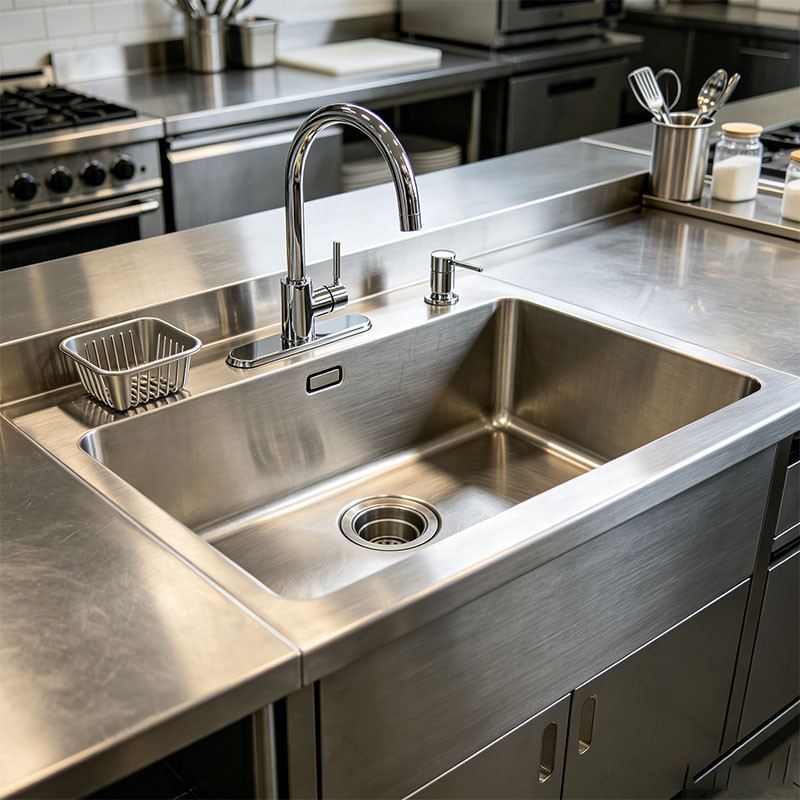
In our professional kitchens, efficiency and hygiene are non-negotiable. The commercial stainless steel sink is a vital piece of equipment, acting as a cornerstone for both cleanliness and operational flow. Let’s explore how we can understand, select, and maintain the very best commercial stainless steel sinks, like those from trusted brands such as Samsink, to ensure our kitchen's success.
Key Takeaways
This guide provides an in-depth look at commercial stainless steel sinks, covering everything from selection to maintenance. For busy professionals, here are the essential points to remember:
- Selection is Task-Specific: The type of sink you choose should directly correlate with its intended function. A three-compartment sink is the standard for manual warewashing (wash, rinse, sanitize) as mandated by most health codes. One-compartment sinks are suited for utility tasks or food prep, while handwashing sinks are small, dedicated units crucial for hygiene protocols. Bar sinks and underbar units are specifically designed to fit compact spaces and streamline drink preparation.
- Compliance is Mandatory: Adherence to health regulations is not optional. The NSF (National Sanitation Foundation) certification is a key indicator that a sink meets stringent public health standards for design, material, and construction. Sinks must typically be made of smooth, corrosion-resistant, and easily cleanable material, with 304-series stainless steel being the industry standard. Coved (rounded) corners are also often required to prevent bacteria buildup.
- Material and Construction Matter: The quality of a commercial sink is determined by its material and construction. Stainless steel is favored for its durability and hygienic properties. The "gauge" indicates the steel's thickness—a lower gauge number means thicker, more durable steel (e.g., 16-gauge is thicker and more robust than 18-gauge). Welded construction is generally more durable than drop-in models for high-volume use.
- Proper Maintenance Extends Lifespan: Stainless steel is durable but not indestructible. A consistent cleaning routine is essential. Use non-abrasive cleaners and soft cloths, always scrubbing in the direction of the steel's grain. Avoid harsh chemicals like bleach and chlorides, as well as abrasive tools like steel wool, which can damage the passive layer and lead to rusting. Regular cleaning prevents grime buildup and maintains the sink's hygienic surface.
- Accessories Enhance Workflow: The right faucets and accessories can transform a sink from a simple basin into a highly efficient workstation. Pre-rinse faucets are essential for blasting food debris off plates before washing. Drainboards provide critical space for air-drying dishes as required by health codes. Grease traps are a vital plumbing component, preventing grease from clogging pipes and causing serious plumbing issues.
- Strategic Installation is Key: Sink placement dictates the flow of your entire kitchen. The dishwashing area, featuring the main multi-compartment sink, should be located where dirty dishes enter and should not cross paths with clean food prep areas. Handwashing sinks must be conveniently located and accessible in all food prep and service areas to ensure staff can wash their hands frequently. Proper planning prevents bottlenecks and contamination risks.
By focusing on these key areas—thoughtful selection, strict compliance, quality materials, diligent maintenance, and strategic installation—you can ensure your commercial sink system is an asset that enhances food safety, boosts efficiency, and supports the long-term success of your culinary operation.
Choosing and Complying: Our Essential Commercial Stainless Steel Sink Types
Selecting the right commercial stainless steel sink is a foundational decision that impacts kitchen workflow, sanitation, and compliance. It involves understanding the distinct roles different sinks play and ensuring they meet stringent health and safety standards. From multi-compartment workhorses to specialized handwashing stations, each sink type is designed with a specific purpose in mind. Making an informed choice not only optimizes daily operations but also ensures you are in full compliance with local health department regulations.
Selecting the Right Sink for Every Task
The first step in choosing a sink is to define its primary function. A sink intended for washing produce has different requirements than one used for sanitizing cookware. Matching the sink to the task is crucial for efficiency and safety.
- One-Compartment Sinks: These are the most basic utility sinks, ideal for a single dedicated task such as soaking and washing large pots, rinsing produce, or as a general-purpose utility basin. They are often used in prep areas but are not suitable for the full wash-rinse-sanitize process required for manual warewashing.
- Two-Compartment Sinks: These sinks offer more flexibility, allowing for two separate tasks to be performed simultaneously, such as washing and rinsing. They are a common choice in smaller kitchens or bar areas where space is limited but a distinct separation of tasks is still needed.
- Three-Compartment Sinks: This is the industry standard and a legal requirement in many jurisdictions for manual warewashing. The three basins facilitate the essential three-step sanitation process:
- Wash: In the first sink with hot, soapy water.
- Rinse: In the second sink with clean, warm water.
- Sanitize: In the third sink with a chemical sanitizer solution or hot water at the correct temperature.
- Handwashing Sins: Health codes strictly mandate that handwashing be done in a dedicated sink, separate from any food prep or dishwashing sinks, to prevent cross-contamination. These sinks are typically small, equipped with splash guards, and must have both hot and cold running water, soap, and a sanitary hand-drying method.
- Bar Sinks: Also known as underbar sinks, these are compact, multi-compartment units designed to fit neatly under a bar counter. They often include features like integrated speed rails for liquor bottles and drainboards for drying glasses, optimizing the workflow for bartenders.
- Mop Sinks: These floor-mounted or low-profile basins are exclusively for filling and emptying mop buckets and disposing of wastewater. Using a mop sink protects other sinks from the dirt, grime, and harsh chemicals associated with floor cleaning.
Below is a table summarizing the primary uses for each sink type:
| Sink Type | Primary Use | Common Location | Key Feature |
|---|---|---|---|
| One-Compartment | Food prep, pot washing, general utility | Prep Area, Utility Closet | Large, single basin for big items |
| Two-Compartment | Washing & rinsing, some prep | Small Kitchens, Bar Area | Two basins for separating tasks |
| Three-Compartment | Manual Warewashing (Wash, Rinse, Sanitize) | Dishwashing Area | Required for health code compliance |
| Handwashing Sink | Handwashing only | Prep Areas, Cooking Line, Service Stations | Compact and dedicated to hygiene |
| Bar Sink | Glass washing, drink prep | Under the bar counter | Compact with bartender-specific features |
| Mop Sink | Filling/Emptying Mop Buckets | Janitorial Closet, Back-of-House | Low-profile for easy bucket access |
Adhering to Health Regulations and NSF Standards
Compliance with health and safety standards is non-negotiable in a commercial kitchen. Sinks are a primary focus for health inspectors because they are critical control points for preventing foodborne illness.
The most important certification to look for is from the NSF (National Sanitation Foundation). NSF International is an independent organization that develops public health standards and certification programs. An NSF-certified sink, like many models offered by Samsink, guarantees that the product has been tested and verified to meet specific criteria for material safety, design, and cleanability.
Key regulatory requirements for commercial sinks often include:
- Material: Sinks must be made from a smooth, non-porous, corrosion-resistant material that is easy to clean. 304-series stainless steel is the preferred material due to its high nickel and chromium content, which provides excellent resistance to rust and corrosion.
- Construction: The sink bowls must have "coved" or rounded corners. Sharp, 90-degree corners are difficult to clean and can harbor bacteria. Coved corners allow for thorough cleaning and sanitation.
- Drainage: Sinks must be properly sloped to a drain to ensure complete drainage and prevent water from pooling, which can become a breeding ground for microorganisms.
- Installation: Sinks must be sealed to the wall or countertop to prevent water and debris from accumulating in crevices. Wall-mounted faucets are often preferred as they eliminate the need for faucet holes on the sink deck, making the surface easier to wipe clean.
The three-sink method, mandated by the FDA Food Code and local health departments for manual dishwashing, is a core principle of kitchen sanitation. This process ensures that utensils, cookware, and dishes are not just visually clean but are sanitized to safe levels. Staff must be trained to follow this procedure precisely, including monitoring water temperatures and sanitizer concentrations.
Maximizing Life and Efficiency: Care, Faucets, and Accessories for Our Commercial Stainless Steel Sink
A commercial stainless steel sink is a significant investment designed to withstand the rigors of a professional kitchen. However, its longevity and efficiency depend heavily on proper care, maintenance, and a smart selection of faucets and accessories. By understanding the properties of stainless steel and implementing best practices for its use, you can protect your investment and create a more productive and sanitary workspace.
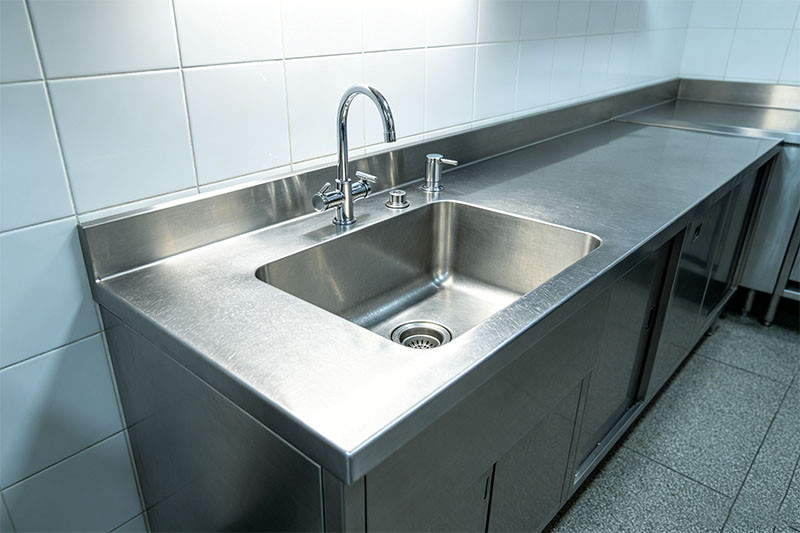
Why Stainless Steel Excels and How We Care for It
Stainless steel is the material of choice for commercial kitchens for several key reasons: it's durable, non-porous, and highly resistant to corrosion and rust. This is thanks to a high chromium content, which forms a passive, invisible protective layer on the surface. If scratched, this layer can "heal" itself by reacting with oxygen.
Understanding Steel Gauge: When selecting a sink from a manufacturer like Samsink, you'll encounter the term "gauge." This refers to the thickness of the steel. It's a counterintuitive system: the lower the gauge number, the thicker and more durable the steel.
- 14-Gauge: Extremely thick and heavy-duty, usually reserved for custom fabrications or high-impact environments.
- 16-Gauge: A very common and highly recommended choice for most commercial applications. It offers excellent durability and resistance to dents and bowing.
- 18-Gauge: Lighter and more affordable, suitable for light-duty applications such as handwashing sinks or low-volume bars. It is more prone to denting than lower gauge options.
Daily Care Routine:
- Rinse Thoroughly: After each use, rinse the sink with warm water to remove any leftover food particles or soap residue.
- Clean Gently: Use a soft cloth or sponge with a mild detergent.
- Scrub with the Grain: Stainless steel has a fine grain or polish lines. Always wipe and scrub parallel to these lines to avoid creating micro-scratches.
- Rinse and Dry: Rinse away all soap and cleaning agents, then wipe the sink dry with a soft cloth. This prevents water spots and mineral deposits from forming.
What to Avoid:
- Steel Wool or Abrasive Pads: These will scratch the surface and can embed small iron particles that will rust.
- Harsh Chemicals: Cleaners containing chlorides (bleach), bromides, or iodides are highly corrosive to stainless steel and will damage the protective layer. Never let bleach sit in your sink.
- Leaving Salty or Acidic Foods: Don't let foods like tomatoes, vinegar, or salt sit on the surface for extended periods, as they can cause pitting and corrosion.
Enhancing Workflow with Smart Faucet and Accessory Choices
The right accessories turn a simple sink into a high-performance workstation. These components should be chosen to streamline tasks and enhance durability.
Faucets are Foremost:
- Pre-Rinse Faucets: A non-negotiable for any dishwashing station. These high-pressure sprayers are essential for blasting away stubborn food residue before the washing stage, saving time and reducing the amount of scrubbing required.
- Gooseneck Faucets: The high, arched spout provides ample clearance for filling and washing large pots and stockpots. They are a versatile choice for prep sinks.
- Wall-Mount vs. Deck-Mount: Wall-mounted faucets leave the sink deck completely clear, making it easier to clean and preventing grime buildup around the faucet base. Deck-mounted faucets are installed directly onto the sink itself.
- Hands-Free Controls: Foot pedals or sensor-operated faucets are excellent for handwashing stations, as they reduce the risk of cross-contamination by eliminating the need to touch faucet handles with dirty hands.
Essential Accessories:
- Drainboards: These are not just a suggestion; they are often a health code requirement. Dishes must be air-dried, and a properly sloped drainboard integrated into the sink unit ensures that water drains back into the sink, keeping floors dry and safe. You can get sinks with drainboards on the left, right, or both sides.
- Grease Traps: A critical piece of plumbing equipment installed downstream from the sink. A grease trap (or interceptor) is designed to capture fats, oils, and grease (FOG) before they enter the wastewater system. This prevents costly and disruptive pipe blockages and is a requirement for most food service establishments.
- Legs and Bracing: The stability of your sink depends on its support structure. Look for sinks with sturdy, adjustable bullet feet to level the unit on uneven floors. Cross-bracing between the legs adds significant rigidity and prevents wobbling.
- Overshelves and Pot Racks: Adding shelving above the sink can dramatically increase storage and efficiency, keeping tools, soaps, and sanitizers within easy reach.
Simple Tips for Long-Lasting Sinks
A well-maintained sink can last for decades. Beyond daily cleaning, a few simple habits can protect your investment and keep your sink system functioning flawlessly.
- Train Your Staff: Ensure every team member knows the proper cleaning procedures and understands what not to do, such as using abrasive pads or harsh chemicals.
- Don't Use it as a Cutting Board: While durable, stainless steel can be scratched by knives. Always use a proper cutting board for food prep.
- Avoid Dropping Heavy Objects: Dropping heavy pots or equipment into the sink can cause dents, especially in higher-gauge (thinner) steel.
- Perform Regular Inspections: Periodically check the plumbing connections, faucets, and drain seals for leaks. A small drip can waste a significant amount of water and lead to water damage over time.
- Passivate When Necessary: If you notice signs of rust (often caused by contact with other iron objects or damage from harsh chemicals), you may need to re-passivate the steel. This involves a deep clean to remove contaminants, followed by treatment with a passivating acid (like citric acid) to restore the protective layer.
Seamless Integration: Planning and Installation for Our Commercial Stainless Steel Sink System
The physical placement and installation of your commercial stainless steel sinks are as important as their type and quality. Proper planning ensures that your sink system integrates seamlessly into your kitchen's overall workflow, promoting efficiency, safety, and ergonomics. Strategic placement minimizes wasted steps, prevents dangerous cross-contamination, and creates a less stressful environment for your staff.
Strategic Placement for Optimal Flow
The layout of a commercial kitchen is a science. The goal is to create a logical and unimpeded flow of people and materials, from receiving raw ingredients to washing the final dish. Sinks are critical nodes in this flow.
- The Dishwashing Station: The primary dishwashing area, typically featuring a three-compartment sink and a commercial dishwasher, should be located where dirty dishes enter the kitchen from the dining room. This is often called the "dish pit." It should have a clear "landing zone" for soiled dishes and be equipped with a pre-rinse station. After cleaning, there should be a clear path for clean dishes to be stored or returned to the service line without crossing the path of dirty items.
- Handwashing Sinks: The placement of handwashing sinks is dictated by health codes. A handwashing sink must be readily accessible within every food preparation, food dispensing, and warewashing area. Placing them at the entrance to prep zones and near cooking lines encourages the frequent handwashing necessary to prevent the spread of bacteria. They should never be blocked or used for any other purpose.
- Food Preparation Sinks: Sinks designated for washing produce, thawing frozen foods under running water, or other prep tasks should be located within the prep area, separate from dishwashing and handwashing sinks. This separation is a crucial step in preventing cross-contamination between raw ingredients and ready-to-eat foods or dirty dishes.
- Ergonomics and Workflow: Consider the "work triangle" concept, which aims to minimize the distance between key stations. In a kitchen, this means sinks, refrigeration, and cooking stations should be arranged for maximum efficiency. Ensure there is adequate space around the sink for staff to work without bumping into each other and that faucets and accessories are within easy reach.
Custom Solutions for Unique Spaces
While standard-sized sinks from manufacturers like Samsink fit most needs, some kitchens present unique challenges that require custom solutions. Oddly shaped rooms, support columns, or specific workflow requirements might make a standard, off-the-shelf unit impractical.
When to Consider Customization:
- Maximizing Tight Spaces: In a small or unusually shaped kitchen, a custom-fabricated sink can be built to the exact dimensions of the available space, ensuring no inch is wasted.
- Unique Workflow Needs: A kitchen might require a sink with multiple compartments of varying sizes, an extra-deep bowl for large pots, or integrated features not found on standard models. For example, a seafood restaurant might need a custom sink with a built-in ice bin.
- Integrated Countertops: For a truly seamless and exceptionally hygienic workspace, sinks can be fully integrated into a continuous stainless steel countertop. This eliminates the seams and crevices where water and bacteria can collect, creating one large, easy-to-clean surface. This is a common feature in high-end and institutional kitchens.
- Specific Features: Customization allows for the addition of specialized features like built-in trash chutes, integrated knife holders (sanitizable, of course), or unique backsplash heights to protect walls.
While custom fabrication can be more expensive and have a longer lead time, the investment can pay off significantly in terms of improved workflow, better space utilization, and superior hygiene. Working with a reputable metal fabricator or a supplier that offers custom solutions is key to ensuring the final product meets all health codes and your specific operational needs.
Frequently Asked Questions (FAQ)
1. What is the difference between 304 and 430 stainless steel for a commercial sink?
The primary difference between these two types of stainless steel lies in their composition and, consequently, their corrosion resistance and magnetism.
- 304 Stainless Steel: This is the most common and preferred type for food service equipment. It contains approximately 18% chromium and 8% nickel (often referred to as 18/8). The nickel content is crucial as it significantly enhances corrosion resistance, particularly against acidic foods and cleaning solutions. It is non-magnetic and considered the industry standard for durability and hygiene in wet environments like sinks.
- 430 Stainless Steel: This type also contains chromium but has a negligible amount of nickel. While it is still a food-grade steel and offers good corrosion resistance in many situations, it is less durable and more susceptible to rust and pitting from acids and chlorides than 304 steel. It is also magnetic. 430 stainless steel is a more budget-friendly option and is sometimes used for less critical components like backsplashes, shelving, or work tables in dry areas, but for the sink basin itself, 304 is strongly recommended.
2. What does the "gauge" of a steel sink mean, and which should I choose?
"Gauge" refers to the thickness of the stainless steel sheet used to make the sink. The measurement system is counterintuitive: a lower gauge number signifies thicker, stronger steel.
- 16-Gauge: This is 1.5875 mm thick and is considered the workhorse of the commercial kitchen. It offers an excellent balance of strength, durability, and cost. It resists denting from dropped pots, reduces noise, and is less likely to bow or flex under the weight of water and dishes. For most high-volume applications like three-compartment sinks, 16-gauge is the recommended choice.
- 18-Gauge: This is 1.27 mm thick. While still durable, it is more susceptible to denting and can be noisier than 16-gauge steel. It is a suitable and more economical choice for lighter-duty applications, such as a dedicated handwashing sink or a bar sink that sees less heavy traffic.
3. Why are three compartments specifically required for dishwashing?
The three-compartment sink is mandated by most health departments, including the FDA Food Code, because it facilitates a systematic and effective process for manual warewashing that ensures items are not just clean but also sanitized. Each compartment has a distinct and critical role:
- Sink 1 (Wash): Removes food soil using a detergent solution at a temperature of at least 110°F (43°C).
- Sink 2 (Rinse): Removes all traces of food and detergent with clean, warm water. This step is crucial because leftover detergent can neutralize the sanitizer in the next step.
- Sink 3 (Sanitize): Kills remaining microorganisms using either a chemical sanitizer (like chlorine, iodine, or quaternary ammonium) mixed to the correct concentration or by immersing items in very hot water (at least 171°F or 77°C) for a minimum of 30 seconds. This step-by-step process provides a verifiable method for achieving food safety and preventing cross-contamination.
4. Can I install a commercial sink myself?
While it may seem straightforward, installing a commercial sink involves several complexities that often require professional expertise. A DIY installation can lead to costly mistakes.
- Plumbing: Commercial sinks have specific drain and water supply requirements. A licensed plumber is needed to ensure all connections are watertight, properly sloped for drainage, and compliant with local plumbing codes. This includes the correct installation of P-traps, vents, and critical components like grease traps.
- Health Code Compliance: The installation itself is subject to health department regulations. The sink must be properly sealed to adjacent walls and countertops with silicone caulk to prevent moisture intrusion and bacterial growth. There must also be specific clearances and properly installed splash guards.
- Leveling and Securing: The sink must be perfectly level to drain correctly and securely anchored to the floor or wall to prevent tipping, especially when filled with water. Hiring a professional plumber and installer ensures the job is done correctly, safely, and in compliance with all relevant codes, saving you from failed inspections and future problems.
5. How do I prevent clogs and odors in my commercial sink drain?
Clogs and odors are common problems, but they are largely preventable with proper procedures.
- Scrape and Pre-Rinse: The most effective preventative measure is to thoroughly scrape food solids into a garbage can before rinsing the dishes. A pre-rinse sprayer helps blast off remaining residue, but large particles should never go down the drain.
- Use Strainers: Ensure all sink drains are fitted with fine-mesh strainers and that staff empties them frequently throughout the day.
- Grease Management: Never pour grease or oil down the drain. Use a properly sized and regularly serviced grease trap to capture fats, oils, and grease (FOG) from the wastewater.
- Regular Cleaning: Regularly flush drains with hot water at the end of the day to help dissolve and wash away any accumulating grease. Avoid using harsh chemical drain cleaners, which can damage plumbing and are often prohibited. For persistent biological buildup, a professional drain cleaning service that uses enzymatic cleaners or hydro-jetting may be necessary.
Conclusion
To sum it up, investing in the right commercial stainless steel sink system is about much more than just buying equipment. It's a critical decision that impacts food safety, boosts your kitchen’s efficiency, ensures you meet health guidelines, and ultimately saves money in the long run. Models from quality brands like Samsink are designed with these demands in mind.
By carefully considering the specific tasks, adhering to compliance standards, selecting durable materials and smart accessories, and planning for seamless integration, you create a cleaner, more efficient, and compliant kitchen. A well-chosen and maintained sink is a silent partner in your success, supporting your team and protecting your patrons with every use. We encourage you to use this guide as a foundation for your planning and to share its principles with your team to foster a culture of safety and excellence.