Understanding Laboratory Cup Sink Technology for Advanced Lab Safety Solutions
- Share
- Issue Time
- Sep 2,2026
Summary
Laboratory cup sinks are critical, yet often overlooked, components ensuring safety and efficiency in scientific environments. Unlike standard sinks, these small, specialized basins are designed for the immediate, point-of-use disposal of small volumes of liquid waste, such as condensates or titration waste. Their strategic placement, frequently within fume hoods or on benchtops, minimizes risks of spills, cross-contamination, and clutter, thereby streamlining workflows and enhancing overall lab
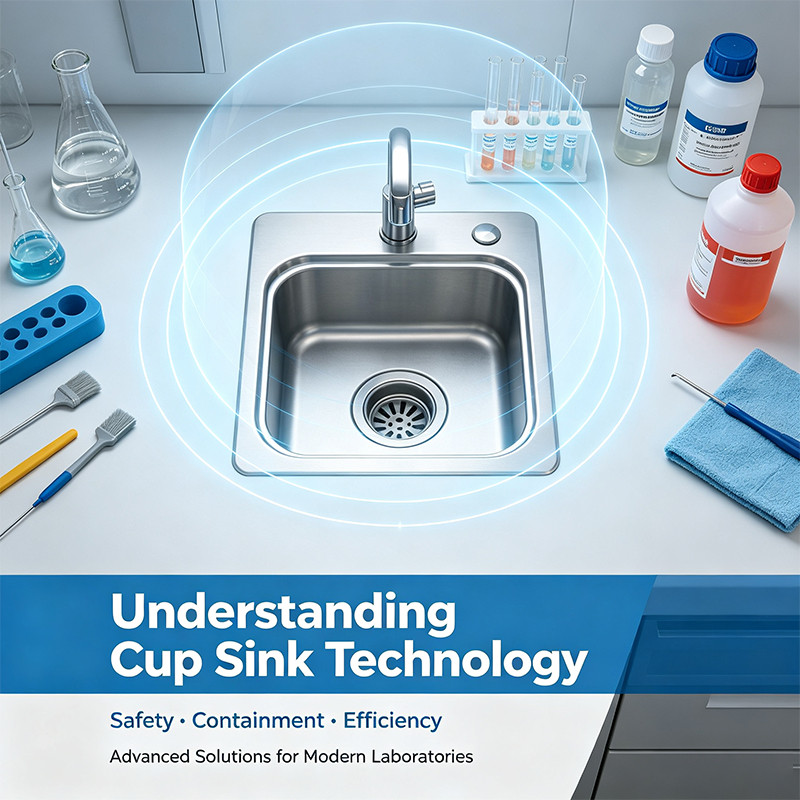
As we delve into the world of scientific research and experimentation, ensuring a safe and efficient laboratory environment is always our top priority. Every piece of equipment, no matter how small, plays a crucial role in maintaining these standards.
Today, we're going to explore a vital, yet often overlooked, component of lab safety: the laboratory cup sink. These specialized sinks are designed to handle the unique demands of a lab, contributing significantly to both safety protocols and operational efficiency. They are the unsung heroes of the lab bench, working tirelessly to contain waste, prevent contamination, and streamline workflows.
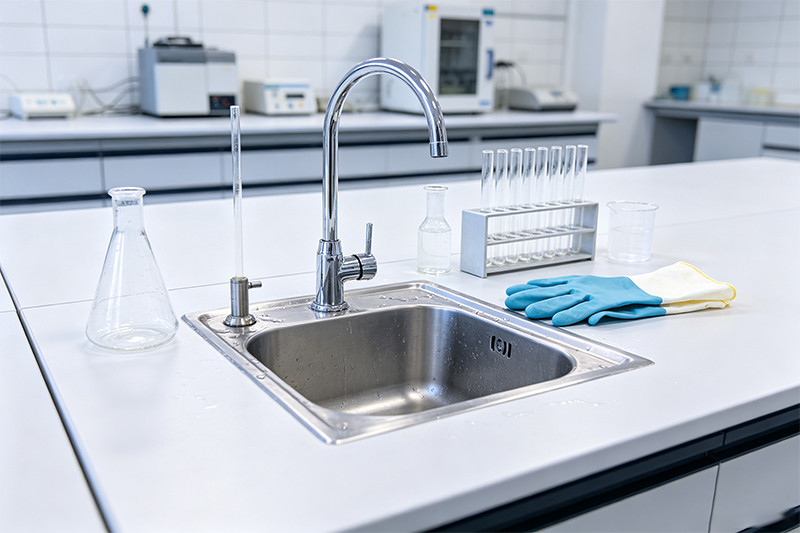
Key Takeaways
This article serves as a comprehensive guide to understanding the critical role of laboratory cup sinks in modern research and industrial environments. Below are the key points we will cover, providing you with the essential knowledge to make informed decisions for your facility's safety and efficiency.
- Definition and Purpose: A laboratory cup sink is a small, specialized basin designed for the immediate disposal of small volumes of liquid waste at the point of use, such as within a fume hood or on a lab bench. Its primary function is to enhance safety and efficiency by containing chemical waste and preventing cross-contamination, which distinguishes it from larger, general-purpose washing sinks.
- Strategic Placement: The effectiveness of a cup sink is highly dependent on its placement. They are typically installed in locations where liquids need to be discarded frequently and quickly. Common areas include inside fume hoods to handle condensates or waste from experiments, on island or wall benches next to instrumentation, or at specific titration or wet chemistry stations. This point-of-use placement is a cornerstone of an ergonomic and safe lab design.
- Critical Material Selection: The material of a cup sink is paramount to its longevity and safety performance. The choice depends entirely on the types of chemicals, temperatures, and physical stresses it will encounter.
- Epoxy Resin: Considered the gold standard for all-around chemical resistance, epoxy sinks are monolithic, durable, and resistant to most acids, solvents, and bases, as well as moderate heat.
- Polypropylene (PP) & HDPE: These thermoplastic polymers are lightweight, highly impact-resistant, and offer superior resistance to a wide range of corrosives. They are an excellent choice for labs that do not work with high temperatures but require robust chemical compatibility.
- Enhancing Safety Protocols: A properly installed cup sink is a major asset to a lab's safety program. It allows for the secure disposal of hazardous liquid waste, minimizing the risks of splashes, spills, and the generation of dangerous aerosols that can occur when walking waste across the lab. It provides a dedicated channel for waste, which is essential for preventing accidental mixing of incompatible chemicals in the drainage system.
- Workflow and Efficiency Gains: Beyond safety, cup sinks are masters of efficiency. By providing a disposal point directly within the workspace, they eliminate unnecessary steps and reduce the time scientists spend moving to and from a central sink. This micro-efficiency adds up, leading to a more streamlined workflow, reduced benchtop clutter, and more time dedicated to the actual research.
- Proper Installation and Maintenance: To function correctly, a cup sink must be installed in accordance with all local plumbing and safety codes, using appropriate acid-resistant piping and trapping systems. Routine maintenance, including daily cleaning with compatible detergents, regular flushing to prevent clogs, and adherence to proper disposal procedures (e.g., no solids), is essential for ensuring its long-term performance and safety.
- The Samsink Advantage: When selecting a laboratory cup sink, choosing a reputable manufacturer like Samsink ensures you receive a product engineered for the harsh realities of a lab environment. Samsink offers a range of sinks in high-performance materials like epoxy resin and polypropylene, designed for seamless integration, maximum durability, and unwavering compliance with safety standards. Investing in a high-quality sink is an investment in the long-term safety and productivity of your laboratory.
By focusing on these key areas, laboratory managers, designers, and personnel can fully appreciate and leverage the small but mighty cup sink to build a safer, more advanced, and highly efficient research space.
Exploring the Essential Role of a Laboratory Cup Sink
In the intricate ecosystem of a laboratory, every component has a designated purpose, contributing to a symphony of precision, safety, and discovery. While larger installations like fume hoods and emergency showers are conspicuous safety features, the humble laboratory cup sink provides a continuous, subtle, and indispensable function.
What Exactly is a Laboratory Cup Sink?
Unlike the larger, basin-style sinks used for washing glassware or general cleanup, a laboratory cup sink is a small, compact basin designed for the specific task of liquid waste disposal at the point of use. Think of it not as a washing station, but as a dedicated drainage point integrated directly into the workspace. Its primary purpose is to provide a safe and immediate way to dispose of small quantities of liquids, such as waste from titrations, condensates from distillations, or rinsing solutions from sample preparations.
Beyond the Basics: Specialized Design for Lab Needs
The design of a cup sink is deceptively simple but highly intentional. Standard residential sinks are completely unsuitable for lab environments because they cannot withstand the daily assault of acids, solvents, and other aggressive chemicals. Laboratory cup sinks, by contrast, are constructed from hyper-durable, chemically-resistant materials engineered for these harsh conditions.
Their small size, with oval or round shapes often just a few inches in diameter, is a key feature. This minimal footprint is designed to take up as little valuable bench space as possible while providing maximum convenience. The design anticipates direct and frequent contact with a wide array of chemical agents, making it a purpose-built piece of safety equipment.
Typical Placement: Where You'll Find These Handy Sinks
The mantra for cup sink placement is "point-of-use." Their effectiveness hinges on being exactly where they are needed most, reducing the need for researchers to transport liquid waste across the lab. Common placements include:
- Inside Fume Hoods: This is the most critical location. Many chemical procedures performed in a fume hood generate liquid waste. A cup sink allows for its immediate disposal within the contained space, preventing the release of hazardous vapors into the lab. If a water fixture is present inside a hood, a cup sink for drainage is often required by safety regulations.
- On Laboratory Benchtops: Placed strategically on island or peninsula benches, they serve as a convenient drain for various wet chemistry tasks.
- Next to Specific Instrumentation: Instruments that use water cooling or produce a liquid effluent can be plumbed directly to a nearby cup sink for efficient and contained waste management.
This strategic positioning is a cornerstone of an ergonomic, safe, and efficient laboratory design.
Why Every Modern Lab Needs a Laboratory Cup Sink
In a modern laboratory environment, where efficiency and safety are non-negotiable, the cup sink transcends being a mere convenience and becomes an essential component of the lab's infrastructure.
Rapid Waste Disposal: Keeping Your Workspace Tidy and Safe
The most immediate benefit of a cup sink is the ability to dispose of liquid waste instantly. This simple act has a powerful ripple effect on lab operations. It prevents the accumulation of waste beakers and flasks on the countertop, reducing clutter and minimizing the risk of accidental spills. A clean and organized workspace is inherently a safer workspace. By providing a centralized water and disposal source directly at the workstation, it streamlines the entire experimental process.
Preventing Cross-Contamination: A Key Safety Feature
Perhaps the most critical safety role of the cup sink is preventing cross-contamination. When a single, large sink is used for all purposes—from washing hands and glassware to disposing of chemical waste—the potential for dangerous situations is high. Traces of an acidic solution could react with a base poured down the drain moments later, or residual solvents could contaminate glassware intended for a sensitive biological assay.
A dedicated cup sink isolates a specific waste stream, ensuring that incompatible materials are not inadvertently mixed. This is particularly vital in labs that handle a diverse range of hazardous materials, as it provides a controlled and predictable disposal pathway, safeguarding both the integrity of experiments and the well-being of personnel.
The Science of Durability: Materials for Your Laboratory Cup Sink
Choosing the material for a laboratory cup sink is one of the most critical decisions in lab design. It goes far beyond aesthetics; it's a fundamental choice that directly impacts safety, longevity, and long-term costs. A standard commercial or residential sink would quickly corrode, crack, or stain under the daily pressures of a lab environment. Purpose-built laboratory sinks are therefore fabricated from a select group of materials chosen for their unique ability to withstand chemical attack, thermal shock, and physical impact.
Choosing the Right Material for Your Laboratory Cup Sink
The "best" material is always relative to the specific applications of your lab. A facility handling aggressive acids and solvents has fundamentally different needs than a biological lab where sanitation is the primary concern. When selecting a material, you must consider the types of chemicals used, their concentrations, exposure times, and operating temperatures.
Epoxy Resin: The Chemical Resistance Champion
Epoxy resin is widely regarded as the premier choice for laboratories with harsh chemical environments. It is created from a monolithic composite material, meaning it's cast as a single, solid piece. This process results in an incredibly dense, non-porous surface that is highly resistant to a broad spectrum of chemicals, including most acids, bases, and solvents.
Its key advantages include:
- Superior Chemical Resistance: Epoxy stands up exceptionally well to many of the most corrosive chemicals found in a lab.
- Heat Tolerance: It can handle moderate heat and thermal shock without cracking or losing integrity.
- Durability and Impact Resistance: Its solid construction makes it highly durable and resistant to chipping and cracking from physical impacts.
- Easy to Clean: The non-porous surface resists staining and prevents bacterial growth, making decontamination straightforward.
Due to these properties, epoxy resin sinks are the go-to standard for chemistry, pharmaceutical, and multi-disciplinary research labs where performance cannot be compromised. Matching an epoxy sink with an epoxy countertop creates a seamless, highly durable work area.
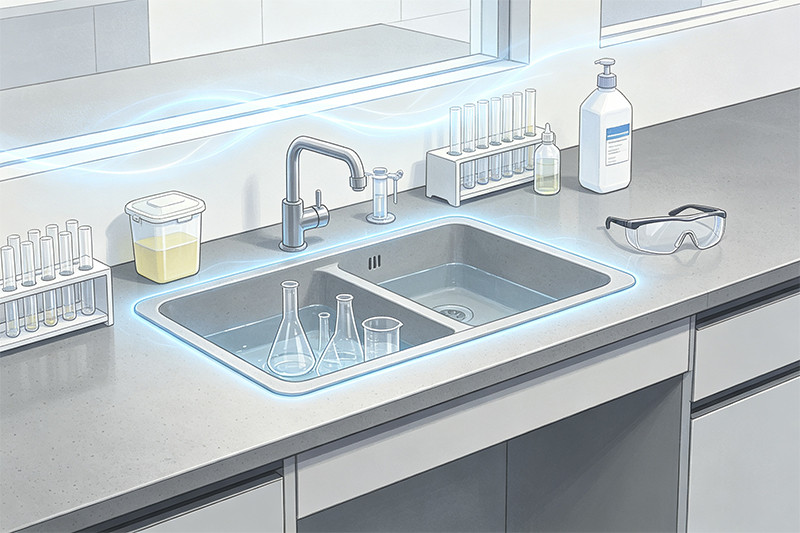
Polypropylene & HDPE: Lightweight Chemical Warriors
Polypropylene (PP) and High-Density Polyethylene (HDPE) are thermoplastic polymers that offer an excellent, often more economical, alternative to epoxy resin for many applications. They are known for their superb chemical resistance and durability.
Polypropylene (PP): This material provides excellent resistance against a wide range of non-oxidizing acids, bases, and many organic solvents. It is lighter than epoxy and highly resistant to physical impact. However, it's important to note that PP can be susceptible to some strong oxidizing agents and certain solvents, and it becomes brittle at temperatures below freezing. Its high melting point (around 160°C) makes it suitable for applications where high heat isn't a constant factor but good chemical compatibility is needed.
High-Density Polyethylene (HDPE): HDPE shares many properties with PP, including broad chemical resistance and toughness. HDPE often demonstrates superior impact resistance, especially at lower temperatures where PP can become brittle. While both materials are robust, HDPE is exceptionally durable, making it ideal for high-traffic labs or educational settings where physical abuse is more likely.
Material Comparison Table:
| Feature | Epoxy Resin | Polypropylene (PP) | High-Density Polyethylene (HDPE) |
|---|---|---|---|
| Chemical Resistance | Excellent (Broad Spectrum) | Very Good (especially acids/bases) | Very Good (especially acids/bases) |
| Heat Resistance | Good to Excellent | Fair (Higher melting point than HDPE) | Fair (Lower service temp than PP) |
| Impact Resistance | Very Good | Excellent | Superior |
| Weight | Heavy | Lightweight | Lightweight |
| Best For | Harsh chemical labs, high-heat applications, all-around performance. | Metal-free labs, hydrofluoric acid use, cost-sensitive applications. | General purpose labs, high-impact environments, cold temperature service. |
Why Material Selection is Paramount for Laboratory Cup Sink Performance
Selecting the right material isn't just about preventing stains; it's a critical safety and financial decision. A material that fails can lead to hazardous leaks, costly downtime, and the need for a complete replacement, which involves not just the sink but also the surrounding countertop and plumbing.
Withstanding Harsh Environments: Heat, Impact, and Corrosion
Laboratory sinks are on the front lines, facing conditions that would destroy ordinary fixtures. Material choice is the first line of defense.
- Heat & Thermal Shock: Disposing of hot liquids or alternating between hot and cold rinses can cause materials to crack. Materials like epoxy are specifically formulated to resist this thermal shock.
- Impact: The accidental drop of a heavy piece of glassware or equipment is inevitable. A durable material like epoxy or HDPE can absorb this impact without damage, whereas more brittle materials like ceramic could chip or shatter.
- Corrosion: This is the most relentless threat. The sink must be able to withstand constant exposure to a specific profile of corrosive chemicals without degrading, pitting, or failing.
Ensuring Longevity and Reducing Replacement Costs
A high-quality laboratory cup sink is an investment. While a premium material like epoxy resin may have a higher initial cost, its durability and long service life often result in a lower total cost of ownership. Frequent replacements not only incur material and labor costs but also lead to significant operational disruptions.
By choosing a sink from a trusted manufacturer known for quality materials, such as the specialized laboratory fixtures from Samsink, you are investing in a product designed for decades of reliable performance. This ensures that the sink will remain a safe and functional part of your laboratory's infrastructure, rather than becoming a point of failure.
Maximizing Safety and Efficiency with Advanced Laboratory Cup Sink Integration
A laboratory cup sink, when thoughtfully integrated into the lab design, becomes more than just a piece of hardware. It transforms into an active tool that bolsters safety protocols, streamlines daily tasks, and optimizes the very rhythm of the laboratory. Moving beyond basic installation to strategic integration is key to unlocking its full potential.
Seamless Integration for Optimal Lab Workflow
In lab design, efficiency is measured in seconds and steps saved. The concept of "lean lab" design focuses on eliminating wasted motion to maximize the time scientists spend on valuable research. The cup sink is a perfect embodiment of this principle.
Space Optimization: A Small Footprint, Big Impact
Laboratory bench space is premium real estate. Every square inch must be justified. The compact nature of a cup sink is a significant advantage, allowing it to be installed without consuming a large area of the primary workspace. By combining a disposal point into the benchtop, it helps consolidate wet and dry tasks, reducing clutter and creating a more organized and functional work zone. Studies on lab ergonomics show that reducing the need to walk across the lab for simple tasks can save a significant amount of time, allowing researchers to maintain focus on their experiments.
Convenience at Your Fingertips: Enhancing Daily Operations
The true genius of the cup sink lies in its "point-of-use" convenience. Placing a sink within arm's reach of the main work area eliminates the need to carry waste—whether in a beaker, flask, or test tube—across the lab to a communal sink. This seemingly small convenience has a huge impact:
- Reduces Spills: Minimizes the risk of dripping or spilling hazardous materials during transit.
- Saves Time: Every trip to a distant sink is a disruption. Workplace efficiency studies have shown that point-of-use access to utilities can save valuable time, which adds up significantly over the course of a project.
- Improves Focus: By keeping researchers focused on their immediate task rather than on logistical movements, it enhances concentration and reduces the potential for errors.
Safety Solutions Provided by a Well-Designed Laboratory Cup Sink
Beyond workflow improvements, the primary role of a cup sink is to enhance safety. Its design and placement are geared towards minimizing risk and providing immediate response capabilities.
Secure Chemical Disposal: Minimizing Exposure Risks
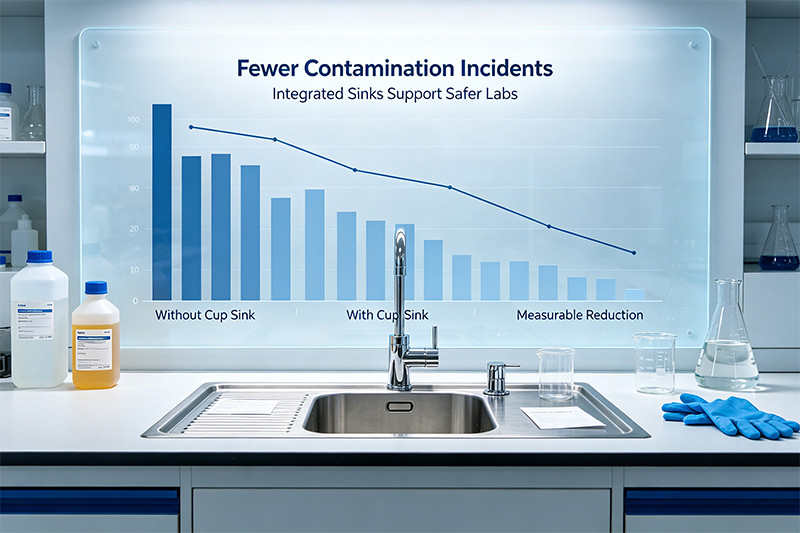
Transporting open containers of chemical waste is an inherent risk. A cup sink mitigates this by providing a designated, contained, and immediate disposal point. Pouring liquid into a small, well-defined basin significantly reduces the chance of splashing compared to a larger, deeper sink. This also minimizes the aerosolization of volatile chemicals, which helps protect the respiratory health of everyone in the lab. For example, some studies have shown that having integrated sinks can lead to a measurable reduction in contamination incidents.
Role in Emergency Protocols: First Response Readiness
While not a substitute for an emergency eyewash station or safety shower, a cup sink plays a vital role in the response to small, incidental spills. According to safety protocols from institutions like Cornell University, a key step in managing a spill is to prevent chemicals from entering waterways by diking drains and sinks. A cup sink provides a controlled point for this action.
In the event of a small chemical spill on the counter, a cup sink can be used for:
- Immediate Dilution: A small spill of a non-hazardous or less-reactive substance can sometimes be safely diluted with water and flushed down the appropriate chemical drain.
- Containment: For more hazardous spills, the area around the cup sink can be quickly protected with absorbent materials to prevent the substance from entering the drainage system.
- Decontamination Rinse: After a spill is neutralized and absorbed, the final rinse water can be safely disposed of in the cup sink, localizing the cleanup process.
By integrating the cup sink into your lab's established emergency procedures, it becomes an active part of your first-response toolkit, enabling quicker and more controlled reactions to minor incidents.
Best Practices for Maintaining Your Laboratory Cup Sink for Long-Term Safety
A laboratory cup sink is a long-term investment in safety and efficiency, but its performance depends entirely on proper installation and consistent maintenance. Neglecting these areas can lead to premature failure, safety hazards, and costly repairs. By following established best practices, you can ensure your cup sink functions as intended for years to come.
Installation Insights: Setting Up Your Laboratory Cup Sink Correctly
Professional installation is not just a recommendation; it is a necessity. A poorly installed sink can cause persistent leaks, create sites for contamination, and fail to meet critical safety codes.
Understanding Plumbing Requirements and Local Codes
Lab sink installation is governed by strict plumbing codes that differ significantly from residential standards. Key requirements often include:
- Dedicated Chemical Waste Systems: According to model codes like the International Plumbing Code (IPC), chemical waste drainage must be kept entirely separate from the sanitary sewer system until it has been properly treated or neutralized. This prevents corrosive, toxic, or reactive chemicals from damaging municipal infrastructure or causing environmental harm.
- Acid-Resistant Piping: The entire drainage line connected to a cup sink, including the trap and vent pipes, must be made of a compatible, corrosion-resistant material. Common materials include polypropylene (PP), chlorinated polyvinyl chloride (CPVC), or borosilicate glass. Standard PVC or metal pipes will corrode and fail quickly.
- Proper Venting: Chemical drains require proper venting to ensure smooth flow and prevent the buildup of hazardous vapors in the lab. Vent sizing and routing must adhere to local codes, which can vary by jurisdiction.
- Permits and Inspections: In most areas, a plumbing permit is required for any new or modified drain connection. The installation will need to be inspected to ensure it meets all safety and environmental regulations.
Integrating with Fume Hoods and Countertops
The physical installation of the cup sink into the work surface is just as critical as the plumbing. A flawless seal is essential to prevent leaks and stop chemicals from seeping under the sink, where they can cause damage and create a hidden contamination source.
There are two primary installation methods:
- Drop-in (or Top-Mount): The sink has a rim that rests on top of the countertop. A high-grade, chemical-resistant sealant like a two-part epoxy adhesive is used to create a permanent, waterproof bond between the sink rim and the work surface.
- Undermount: The sink is mounted to the underside of the countertop for a seamless look. This requires robust support brackets to hold the sink securely in place, as epoxy and polypropylene sinks can be heavy. A perfect seal is crucial to prevent liquids from getting trapped between the countertop edge and the sink.
For any installation, it is vital to follow the manufacturer’s specific instructions, as provided by quality brands like Samsink, to ensure a secure and compliant fit.
Routine Care: Extending the Life and Functionality of Your Laboratory Cup Sink
Even the most durable materials require routine care to maintain their integrity and appearance. A consistent maintenance schedule is the key to maximizing the lifespan of your investment.
Daily Cleaning and Decontamination Techniques
A simple daily cleaning routine can prevent the buildup of residues that can eventually stain or damage the sink surface.
- Rinse Immediately: After disposing of any liquid, rinse the sink thoroughly with warm water to wash away any residual chemicals.
- Use a Mild Cleaner: Use a soft cloth or sponge with a mild, pH-neutral detergent. For epoxy sinks, avoid abrasive powders, scouring pads, or harsh acidic cleaners that can dull or scratch the surface.
- Address Stains Promptly: For general stains on an epoxy sink, a paste of baking soda and water can be gently used. For chemical residues, isopropyl alcohol or a diluted vinegar solution may be effective, but always check for compatibility first.
- Rinse and Dry: After cleaning, rinse again with clean water and wipe the sink dry with a soft cloth to prevent water spots and mineral buildup.
Preventative Measures: Avoiding Clogs and Damage
The most common cause of cup sink failure is improper use. Adhering to strict preventative measures is crucial.
- No Solids: Never dispose of solid materials down a cup sink. This includes filter paper, stir bars, broken glass, gels, or precipitates. Use sink strainers to catch any accidental debris.
- Flush Regularly: Periodically flushing the sink with a generous amount of water helps keep the trap and drain lines clear of any accumulating residue.
- Know Your Chemicals: Do not pour incompatible chemicals down the drain consecutively. Also, certain highly volatile organic solvents should be collected in designated waste containers rather than being poured down the drain.
- Regular Inspections: Conduct weekly or monthly inspections of the sink, sealant, and plumbing. Look for any signs of leaks, cracks, corrosion, or slow drainage and address them immediately before they become major problems.
By treating the laboratory cup sink as a critical piece of scientific equipment and maintaining it with care, you will ensure it remains a reliable asset for safety and efficiency in your lab for its entire intended lifespan.
Frequently Asked Questions (FAQ)
To further clarify the role and specifications of laboratory cup sinks, here are answers to some of the most common questions we encounter.
1. What is the fundamental difference between a laboratory cup sink and a standard kitchen sink?
The primary differences lie in material, purpose, and design. A standard kitchen sink is typically made from stainless steel, cast iron, or composite granite, materials not designed to handle highly corrosive chemicals. It is large and intended for general washing. In contrast, a laboratory cup sink is small and made from specialized materials like epoxy resin or polypropylene that offer high resistance to acids, bases, and solvents. Its purpose is not for general washing but for the immediate, point-of-use disposal of small liquid waste volumes, often within a controlled environment like a fume hood. The entire system, including the plumbing, must be chemically resistant.
2. When should I choose an epoxy resin sink over a polypropylene sink?
The choice depends on your lab's specific applications. Epoxy resin is the best all-around choice for harsh environments. You should choose epoxy if your lab regularly uses a wide variety of strong acids, organic solvents, and bases, or if the sink will be exposed to moderate heat and potential physical impacts. Its monolithic, non-porous structure provides superior durability and broad-spectrum chemical resistance.
Polypropylene (PP) is an excellent choice when dealing with specific corrosives that even epoxy might struggle with, such as hydrofluoric acid. It is also a great option for metal-free environments or for labs on a tighter budget that still require high chemical resistance to acids and bases. However, PP is less resistant to certain organic solvents and has a lower heat tolerance than epoxy, so it's not ideal for applications involving high temperatures.
3. Can I pour any chemical waste down a laboratory cup sink?
Absolutely not. A cup sink is a conduit to a chemical waste drainage system, but it is not a universal disposal unit. You must always follow your institution's hazardous waste disposal protocols. Generally:
- Permitted: Small quantities of aqueous solutions, dilute acids, and bases (if the system is designed for them) are often permissible.
- Prohibited: Strong oxidizing agents, highly volatile organic solvents (which should be collected in sealed containers), viscous liquids, solid waste, reactive or explosive compounds, and any substance incompatible with the sink or plumbing material should never be poured down the drain. Always neutralize chemicals when required and flush with plenty of water.
4. What are the signs that my laboratory cup sink needs to be repaired or replaced?
Regular inspection is key to catching problems early. Look for these warning signs:
- Surface Damage: Cracks, deep scratches, crazing (a network of fine cracks), or significant discoloration and staining that cannot be removed with approved cleaning methods. These can compromise the sink's chemical resistance and become sites for contamination.
- Leaking: Any sign of moisture around the seal with the countertop or from the plumbing connections below is a critical issue that must be addressed immediately to prevent damage to casework and the lab structure.
- Corrosion or Pitting: For any type of sink, visible signs of chemical attack, such as pitting, softening, or bubbling of the material, indicate that the sink is failing and should be replaced.
- Slow Drainage: Persistent slow drainage that isn't resolved by clearing the P-trap may indicate a larger problem in the drainage lines.
If you notice any of these issues, it is best to consult with a professional lab outfitter to assess whether a repair is feasible or if a replacement is necessary for safety.
5. Why is a professional lab fitter necessary for installation?
Installing a laboratory cup sink is a specialized task. A professional fitter understands the complex requirements, including:
- Code Compliance: They are knowledgeable about local and national plumbing codes for chemical waste.
- Proper Sealing: They have the expertise and the right materials (like two-part epoxy adhesives) to create a perfect, leak-proof seal that will last for years.
- Material Compatibility: They ensure that the sink, drain, trap, and all piping are made of materials compatible with the lab's chemical profile.
- Correct Integration: They know how to properly integrate the sink into sensitive equipment like fume hoods without compromising their function.
An improper installation can lead to safety hazards, regulatory fines, and costly damage, making professional installation a wise investment.
In conclusion, the careful selection, proper installation, and diligent maintenance of a laboratory cup sink are not just good practices; they are foundational to a truly advanced and safe lab environment. These compact fixtures are instrumental in managing waste, preventing contamination, and optimizing the daily workflow of researchers.
By understanding the technology behind these essential fixtures—from the chemical resistance of their materials to their ergonomic placement—we can make informed decisions that enhance both the safety of our personnel and the efficiency of our scientific endeavors. For labs looking to upgrade their safety infrastructure, considering a high-quality, durable solution from a trusted provider like Samsink is a critical step in the right direction. Let's continue to prioritize safety in every corner of our laboratories. We encourage you to share this article with your colleagues and discuss how your own facility's safety and efficiency can be improved.