What You Need to Know About Stainless Steel Mop Sinks and Workstations
- Share
- Issue Time
- Jan 19,2026
Summary
This article explores the critical role of stainless steel mop sinks and workstations in commercial cleaning and maintenance, highlighting their benefits in terms of efficiency, hygiene, and durability. Emphasizing stainless steel, particularly Type 304 and 316, the text details its superior resistance to corrosion, rust, and physical impact, making it ideal for harsh commercial environments. The non-porous nature of stainless steel is presented as a key hygienic advantage, preventing the growth
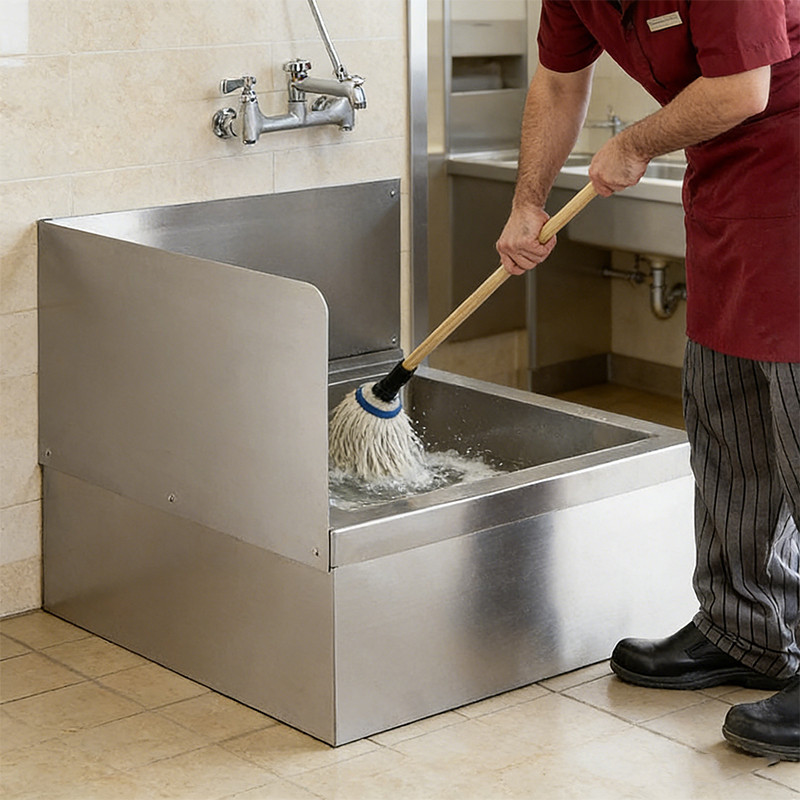
As we delve into the world of commercial cleaning and maintenance, understanding the core components that facilitate efficiency and hygiene is paramount. Today, we'll explore stainless steel mop sinks and workstations, essential elements for any modern facility looking to optimize its operational workflow. These fixtures are more than just for utility; they are a cornerstone of maintaining rigorous standards of cleanliness and operational efficiency. Their design is a blend of durability, hygiene, and functionality, addressing the diverse needs of commercial, industrial, and even high-end residential settings.
Key Takeaways
- Superior Durability: Stainless steel, particularly Type 304, offers exceptional resistance to corrosion, rust, and physical impact, making it ideal for the harsh demands of commercial environments.
- Hygienic Surface: The non-porous nature of stainless steel prevents bacteria, mold, and grime from finding a foothold, ensuring a cleaner and safer space. Proper cleaning enhances this benefit.
- Enhanced Workflow: Integrated mop sink workstations combine the sink with storage, faucets, and work surfaces to create a streamlined process for cleaning tasks, saving time and increasing productivity.
- Variety and Versatility: From floor-mounted basins that accommodate large mop buckets to wall-mounted and cabinet models, there is a stainless steel mop sink to fit nearly any space and application.
- Eco-Friendly Choice: With a long lifespan and high recyclability, stainless steel is a sustainable material choice that reduces waste and environmental impact over time.
- Professional Installation is Key: Due to complex plumbing, drainage, and building code requirements, professional installation is crucial for ensuring the safety, functionality, and longevity of a commercial mop sink.
Why Stainless Steel Mop Sinks Stand Out
When selecting fixtures for a high-traffic utility area, material choice is a critical decision that impacts long-term performance and maintenance costs. While other materials like porcelain or composite exist, stainless steel consistently emerges as the superior option for mop sinks in commercial and industrial settings. Its inherent properties provide a unique combination of strength, sanitation, and sustainability that other materials struggle to match. This makes it the go-to choice for environments where durability and hygiene are non-negotiable, from bustling restaurant kitchens and hospitals to schools and manufacturing plants.
Unmatched Durability and Corrosion Resistance for Mop Sinks
The single greatest advantage of stainless steel in a commercial setting is its remarkable durability. Mop sinks are subjected to a torrent of abuse, from the impact of heavy, water-filled buckets to constant exposure to moisture and a wide array of harsh cleaning chemicals. Stainless steel is engineered to withstand these challenges.
The secret lies in its composition. High-quality commercial sinks are typically made from specific grades of stainless steel, with Type 304 being the industry gold standard. This grade, also known as 18/8 stainless steel, contains approximately 18% chromium and 8% nickel. The chromium is the key to its corrosion resistance; when exposed to oxygen, it forms a thin, invisible, and incredibly tough passive layer of chromium oxide on the steel's surface. This layer acts as a barrier, protecting the underlying iron from rust and corrosion caused by water, detergents, and even many acids.
For environments where exposure to extremely harsh chemicals, chlorides, or saltwater is common, an even more robust option, Type 316 stainless steel, is available. Type 316 includes molybdenum in its alloy, which significantly enhances its resistance to pitting and corrosion from chlorides and industrial solvents. While more expensive, it provides unmatched longevity in the most demanding settings, such as coastal areas, laboratories, or facilities using aggressive disinfectants.
Beyond the grade, the thickness of the steel, known as its gauge, also plays a critical role. In sink manufacturing, a lower gauge number means thicker, more durable steel. For a mop sink, a 16-gauge or 18-gauge construction is preferred, as this added thickness provides superior resistance to dents and warping from daily use. This inherent strength and resistance ensure that a stainless steel mop sink is a long-term investment, capable of withstanding years of rigorous use without failing.
The Hygiene Advantage of Stainless Steel Mop Sinks
In any facility, but especially in healthcare, food service, and educational institutions, hygiene is paramount. This is where stainless steel truly excels. The material's primary hygienic benefit comes from its smooth, non-porous surface. Unlike porous materials such as wood, unsealed concrete, or even some plastics, stainless steel has no microscopic cracks or openings where liquids, grime, and microorganisms can penetrate and hide.
This non-absorbent quality makes it inherently resistant to the growth of bacteria, mold, and other pathogens. Contaminants remain on the surface, where they can be easily and effectively removed with standard cleaning and sanitizing procedures. Studies have shown that stainless steel surfaces can significantly reduce the survival rate of common bacteria like E. coli and Salmonella, making it a preferred material for environments where food safety and infection control are critical.
To further guarantee sanitation standards, many commercial stainless steel sinks are certified by the NSF (National Sanitation Foundation). An NSF-certified sink is constructed to meet strict public health standards. This often means the interior corners of the sink bowl are coved or rounded, eliminating sharp 90-degree angles where bacteria can accumulate. The base of the sink is also precisely sloped towards the drain to ensure complete water removal, preventing stagnant pools that can harbor germs. When you choose an NSF-certified stainless steel mop sink, you are investing in a product that is third-party verified for superior cleanability and sanitation.
Routine Cleaning Tips for Your Mop Sink
Maintaining the pristine condition and hygienic properties of your stainless steel mop sink is straightforward. A simple, consistent cleaning routine will preserve its appearance and functionality for years.
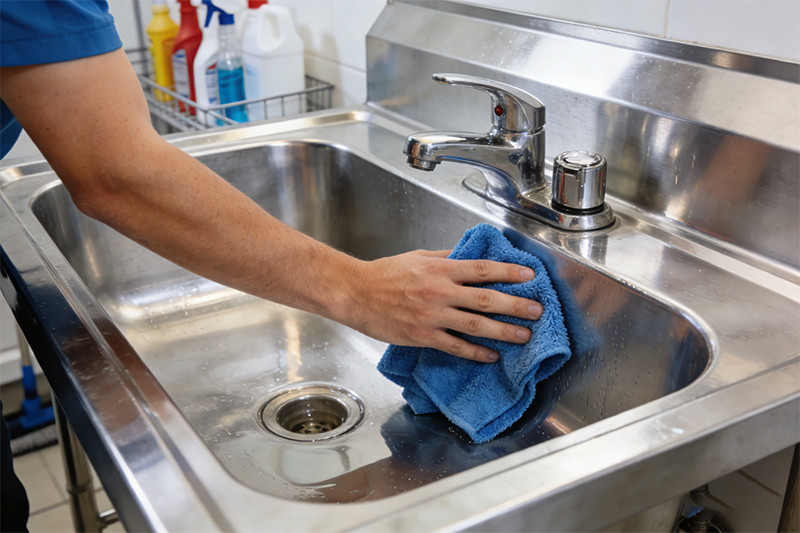
- Daily Rinse and Wipe: After each use, especially after disposing of dirty water, thoroughly rinse the sink with clean water to remove any lingering dirt, debris, or chemical residue. Use a soft cloth or sponge to wipe the surfaces dry. This simple step is the most effective way to prevent water spots and mineral deposits from forming.
- Mild Soap for General Cleaning: For regular cleaning, warm water and a mild detergent (like dish soap) are all you need. Apply the soapy water with a soft sponge, gently scrubbing in the direction of the steel's grain or finish lines. This helps avoid creating micro-scratches.
- Tackle Stains with Baking Soda: For tougher spots or light stains, a paste of baking soda and water is an excellent, non-abrasive solution. Apply the paste, let it sit for a few minutes, then gently scrub with a soft-bristled brush or sponge before rinsing thoroughly. Baking soda is effective for removing water spots and light discoloration without damaging the sink's surface.
- Rinse and Dry Completely: Always finish your cleaning routine by rinsing away all cleaning agents with clean water and wiping the entire sink dry with a microfiber or soft cloth. This prevents streaks and keeps the passive chromium oxide layer intact and effective.
What to Avoid When Cleaning Your Stainless Steel Mop Sink
While stainless steel is incredibly tough, it is not indestructible. Using the wrong cleaning tools or chemicals can permanently damage its surface, compromising both its appearance and its protective layer. To ensure your sink's longevity, strictly avoid the following:
- Abrasive Scourers: Never use steel wool, steel brushes, or any harsh scouring pads. These materials will scratch the surface of the sink. Even worse, particles from non-stainless steel wool can break off and embed in the sink's surface, where they will rust and create stubborn stains. Stick to soft cloths, sponges, or nylon brushes.
- Chlorine Bleach and Chloride-Based Cleaners: This is the most critical rule. Cleaners containing chlorine, including most common household bleach, are extremely corrosive to stainless steel. Even in diluted forms, chlorine attacks the passive chromium oxide layer, leading to pitting, discoloration, and rust. If bleach accidentally comes into contact with the sink, it must be rinsed away immediately and thoroughly with plenty of clean water.
- Harsh Abrasive Powders: Scouring powders can be too aggressive and may scratch the finish of your stainless steel sink, making it look dull. Use a gentler alternative like baking soda for any scrubbing needs.
- Leaving Wet Sponges and Mats: Do not leave wet sponges, cloths, or rubber sink mats sitting in the sink for extended periods. Trapped moisture can lead to water spots and discoloration.
- Ignoring the Grain: Most stainless steel sinks have a brushed finish with a visible "grain" (faint lines). Whenever you scrub or polish, always work in the direction of the grain, not against it. This helps prevent visible micro-scratches and maintains a uniform, clean appearance.
Eco-Friendly Aspects of Stainless Steel Mop Sinks
Beyond its functional benefits, choosing a stainless steel mop sink is also a decision that supports environmental sustainability. The eco-friendly nature of stainless steel is rooted in its longevity and recyclability, which combine to reduce waste and conserve resources over the long term.
- Exceptional Longevity: One of the cornerstones of sustainability is creating products that last. Stainless steel fixtures are designed to endure for decades. A single, well-maintained stainless steel sink can easily outlast multiple sinks made from less durable materials like plastic or fiberglass. This dramatically reduces the need for replacements, which in turn saves the raw materials and energy required for manufacturing and shipping new products. A sink that can last for 50 years or more is inherently more sustainable than one that needs to be replaced every 10-15 years.
- High Recyclability: Stainless steel is one of the most recycled materials on the planet. It is theoretically 100% recyclable and can be melted down and repurposed into new products without any loss of quality or integrity. When a stainless steel sink eventually reaches the end of its life, it doesn't have to end up in a landfill. Instead, the valuable chromium, nickel, and other alloys can be fully recovered and reused. Recycling stainless steel requires significantly less energy than producing it from raw materials, which lowers the overall carbon footprint. Today, a large percentage of all new stainless steel is made from recycled scrap, creating a closed-loop system that minimizes waste and environmental impact.
- No Toxic Byproducts: Stainless steel is a stable, inert material that doesn't require paints, coatings, or chemical treatments to maintain its corrosion resistance. This means it does not leach harmful substances into the water or release volatile organic compounds (VOCs) into the air. This makes it a clean and safe choice for both the immediate indoor environment and the broader ecosystem, especially when compared to materials that may degrade and release microplastics or other pollutants over time.
By investing in a stainless steel mop sink, a facility is not only choosing a durable and hygienic product but also making a conscious choice to support a circular economy and reduce its environmental footprint.
Exploring the Versatility and Functionality of Mop Sink Workstations
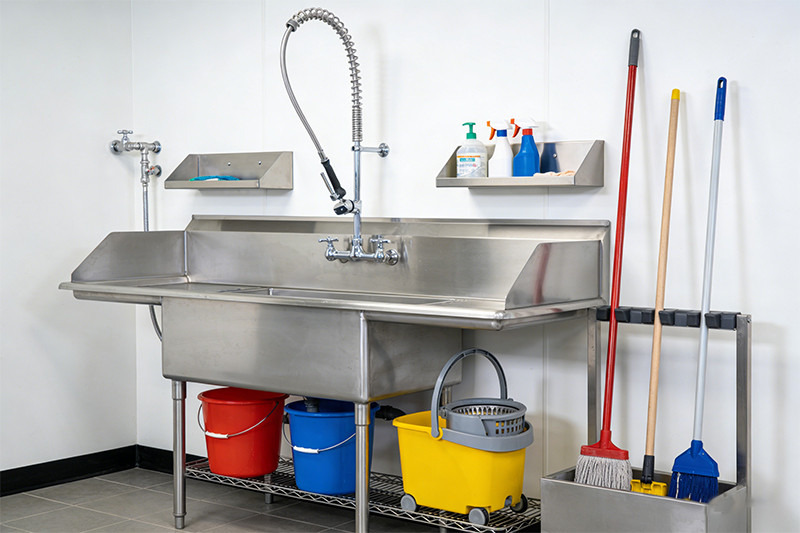
While a standalone mop sink is a foundational piece of equipment, modern custodial and maintenance operations can achieve even greater levels of efficiency with an integrated mop sink workstation. These all-in-one units are intelligently designed to consolidate tasks, reduce physical strain, and create a highly organized and productive cleaning hub. By combining the sink with essential storage and utility features, workstations transform a simple utility basin into a comprehensive command center for all cleaning-related activities.
Integrated Design for Enhanced Mop Sink Workflow
The core principle behind an integrated workstation is creating a seamless, ergonomic flow for the user. Instead of having separate areas for filling buckets, disposing of water, storing chemicals, and hanging mops, a workstation brings everything into one consolidated and organized unit. This design philosophy minimizes wasted motion, such as walking back and forth between a storage closet and the sink, which directly translates to time savings and increased productivity.
An integrated system allows a janitor to perform a sequence of tasks logically and with minimal physical strain:
- Preparation: Retrieve chemicals, replacement mop heads, and other supplies from built-in shelves or cabinets.
- Filling: Use the attached faucet to fill a mop bucket directly in the deep basin.
- Use: Wheel the bucket away for cleaning tasks.
- Disposal: Return and easily empty the heavy, dirty bucket into the low-profile floor sink.
- Cleaning & Storage: Rinse the bucket and mop head using a high-pressure spray hose, then hang the mop on an integrated holder to dry properly.
This all-in-one approach not only makes the cleaning process faster but also enhances safety. Reducing travel with heavy, full buckets minimizes the risk of spills, slips, and musculoskeletal injuries. By designing the workspace around the user's natural movements, an integrated mop sink workstation improves both efficiency and employee well-being.
Key Features and Accessories for Mop Sink Workstations
The versatility of a mop sink workstation comes from its thoughtful combination of features and accessories. These components can be customized to meet the specific needs of a facility. Below are some of the most essential features that transform a simple sink into a high-performance workstation:
| Feature/Accessory | Description & Benefit |
|---|---|
| Integrated Storage | Workstations often include built-in features like overhead shelves, enclosed locking cabinets, and side storage. This keeps cleaning chemicals, sprays, towels, and replacement supplies organized, secure, and within arm's reach, eliminating the need for a separate storage closet. |
| Mop & Broom Hangers | These are typically clips or hooks mounted on the backsplash or inside the cabinet doors. They allow mops and brooms to be hung upright, ensuring they air dry properly. This prevents mildew growth, prolongs the life of the mop head, and improves hygiene. |
| High Backsplash & Side Splashes | A tall backsplash, often 10 inches or higher, and accompanying side splashes contain water and prevent it from splashing onto walls. This protects drywall from moisture damage, mold, and staining, maintaining a cleaner and more professional-looking janitorial area. |
| Service Faucet with Vacuum Breaker | A dedicated service faucet, often with a high-arc gooseneck design, makes it easy to fill tall buckets. More importantly, these faucets should include an integrated vacuum breaker. This safety device prevents backflow, which is crucial for stopping contaminated water from siphoning back into the potable water supply. |
| Integrated Drainboard | Some workstations feature a grooved drainboard adjacent to the sink basin. This provides a dedicated, hygienic space for placing wet tools, buckets, or recently cleaned items to dry. The sloped design ensures water runs directly into the sink, keeping countertops dry and preventing water damage. |
| Handy Spray Hose | A pull-out spray hose with a high-pressure nozzle is invaluable for rinsing out mop buckets, cleaning stubborn residue from the sink basin, and washing off dirty equipment. It provides targeted cleaning power exactly where it's needed. |
These features collectively create an ergonomic, all-in-one system that streamlines cleaning from start to finish. By centralizing tools and tasks, a well-equipped mop sink workstation saves time, reduces physical strain on staff, and promotes a higher standard of organization and cleanliness.
Types and Installation of Stainless Steel Mop Sinks
Choosing the right stainless steel mop sink involves more than just selecting a material; it requires understanding the different types available and the specific installation needs of your facility. The design of the sink—whether it's mounted on the floor, on the wall, or built into a cabinet—greatly influences its usability, space requirements, and installation process. Making an informed decision at this stage is crucial for ensuring the sink meets both your operational demands and your building's plumbing and structural constraints.
Common Types of Mop Sinks
Stainless steel mop sinks are available in several configurations, each suited to different spatial and functional requirements.
- Floor-Mounted Mop Sinks: This is the most common and traditional type of mop sink. The basin rests directly on the floor or is slightly recessed into it. Its primary advantage is stability and ease of use for heavy mop buckets. Since there's no need to lift a bucket over a high ledge, the risk of back strain and spills is significantly reduced. These sinks are workhorses, ideal for high-traffic environments where durability and frequent use are expected. The main drawback is that they occupy a fixed footprint on the floor.
- Wall-Mounted Mop Sinks: As the name suggests, these sinks are attached directly to the wall, elevated off the floor. Their key benefit is creating open floor space underneath, which makes cleaning the janitorial closet itself much easier and more thorough. This design is particularly advantageous in smaller rooms or in facilities with strict hygiene protocols that require easy access to floor surfaces. However, installation is more complex, as it requires a sturdy, reinforced wall to support the weight of the sink when filled with water.
- Freestanding/Leg-Mounted Sinks: These are essentially elevated utility sinks standing on their own legs. They offer more flexibility in placement than wall-mounted sinks as they don't rely on wall support. Often deeper than standard floor sinks, they can be used for a wider range of utility tasks beyond just mopping. However, their higher basin requires lifting buckets, which can be an ergonomic drawback.
- Cabinet Mop Sinks: These units integrate a floor-level mop sink into a full-height stainless steel cabinet. They represent the ultimate all-in-one solution, providing a dedicated space for the sink while also offering enclosed, secure storage for chemicals, tools, and supplies. This design keeps the entire cleaning operation neat, organized, and out of sight, making it a perfect substitute for a traditional janitor's closet. Some advanced models even feature separate "clean" and "soiled" compartments to prevent cross-contamination.
Here is a comparison of the common types:
| Sink Type | Pros | Cons | Best For |
|---|---|---|---|
| Floor-Mounted | Extremely stable; easy to empty heavy buckets; reduces strain and spills. | Takes up floor space; can be harder to clean around the base. | High-volume commercial kitchens, hospitals, large facilities. |
| Wall-Mounted | Saves floor space; makes cleaning underneath easy; modern appearance. | Requires a structurally sound, reinforced wall; installation is more complex. | Smaller janitorial closets, modern facilities, areas with stringent hygiene standards. |
| Freestanding | Flexible placement; often have very deep basins; no wall reinforcement needed. | Requires lifting heavy buckets; can be less stable than floor-mounted units. | Garages, workshops, multi-purpose utility rooms. |
| Cabinet Sink | All-in-one organization and storage; conceals clutter; highly efficient workflow. | Larger footprint; higher initial cost. | Facilities without a dedicated janitor's closet; spaces where organization is a top priority. |
Mop Sink Installation Considerations
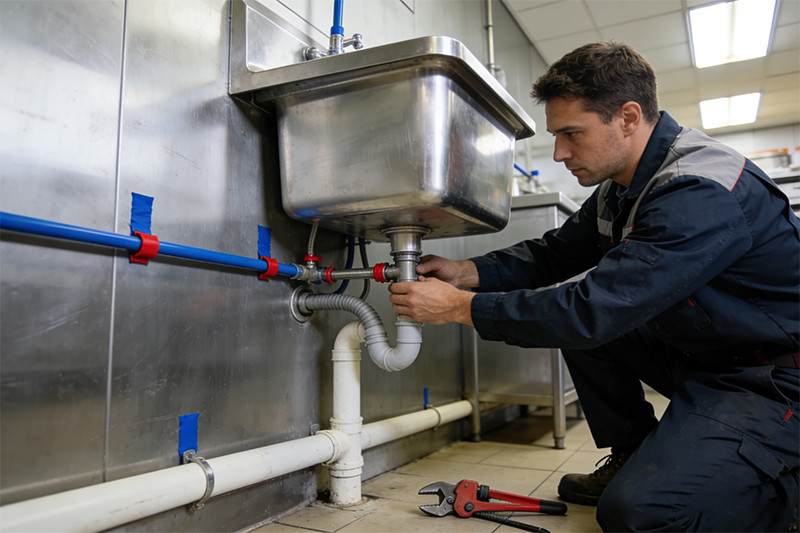
Proper installation is critical to the performance and longevity of a commercial mop sink. It is not a simple DIY project and almost always requires a licensed plumber to ensure compliance with local building and plumbing codes. Failure to install a mop sink correctly can lead to leaks, water damage, drainage issues, and safety hazards. Before installation begins, several key factors must be carefully evaluated.
First and foremost is the plumbing infrastructure. The chosen location must have accessible hot and cold water supply lines, as well as a properly sized and located drainage pipe. The drain for a mop sink needs to handle a high volume of water often containing debris, so it must be correctly trapped and vented to prevent clogs and sewer gas from entering the building.
Next, consider the structural support. For a floor-mounted sink, the floor must be level and capable of supporting the weight of the sink plus a full bucket of water. For wall-mounted sinks, the wall must be sufficiently reinforced, often with internal wood or steel blocking, to safely bear the cantilevered load. Attempting to mount a heavy sink to standard drywall will result in failure.
Finally, ensure there is adequate space and clearance around the sink. There needs to be enough room for staff to comfortably maneuver a large mop bucket, operate the faucet, and access any integrated storage. Adhering to local accessibility standards, such as those outlined by the Americans with Disabilities Act (ADA), may also be required, dictating specific clearance dimensions and faucet control types.
Step-by-Step Installation Guide Overview for Commercial Mop Sinks
The following is a general overview of the steps involved in installing a typical floor-mounted commercial mop sink.
Disclaimer: This guide is for informational purposes only. The installation of a commercial mop sink should always be performed by a licensed and insured plumber to ensure safety and compliance with all applicable codes.
- Site Preparation: The process begins by preparing the installation area. This involves ensuring the floor is clean, level, and structurally sound. The plumber will locate the main drain line and cut into it to install a new branch with a P-trap, which will connect to the sink. The drain pipe stub-out must be positioned precisely in the center of where the sink will go and cut to the correct height above the finished floor, typically around 3 inches.
- Set the Sink in Place (Dry Fit): The sink is carefully placed over the drainpipe for a "dry fit" to check for alignment and levelness. It may be necessary to apply a bed of mortar or shims under the sink to ensure it is perfectly level and fully supported, preventing it from rocking. Many floor-mounted sinks also come with a wall clip or "Z" bracket that is secured to the wall to help hold the top rear edge of the sink in place.
- Connect the Drain: With the sink positioned correctly, the drain assembly is connected. This typically involves using a specialized rubber gasket or seal that fits between the sink's drain body and the PVC or ABS drain pipe. The gasket is lubricated and carefully pushed into place, and then a compression nut is tightened to create a watertight seal. This connection is critical for preventing leaks.
- Install the Faucet and Water Lines: The service faucet is mounted to the wall above the sink. The plumber will connect the hot and cold water supply lines to the faucet, ensuring all connections are secure. If the faucet features a vacuum breaker, it must be installed correctly according to manufacturer specifications to ensure it functions properly.
- Seal and Secure: Once all plumbing connections are made, the sink must be sealed. A bead of commercial-grade silicone sealant is applied around the entire perimeter where the base of the sink meets the floor. This prevents water from seeping underneath the sink, which could lead to mold growth and floor damage. Any gaps between the sink's backsplash and the wall are also sealed.
- Test for Leaks: The final and most crucial step is to thoroughly test the installation. The plumber will turn on the water supply and fill the sink, then let it drain completely while carefully inspecting the drain connection, faucet connections, and all water lines for any signs of leakage. The sink is also checked to ensure it drains quickly and completely.
After a successful test, the installation is complete, and the sink is ready for use.
Frequently Asked Questions (FAQ)
Q1: What is the best grade of stainless steel for a commercial mop sink? For most commercial applications, Type 304 stainless steel is the industry standard and offers an excellent balance of corrosion resistance, durability, and cost. It is robust enough to handle daily exposure to water and common cleaning agents. For environments with extreme conditions, such as constant contact with saltwater, chlorides, or harsh industrial chemicals, Type 316 stainless steel is recommended for its superior corrosion resistance.
Q2: Can I pour bleach down my stainless steel mop sink? It is strongly advised not to use bleach or any cleaners containing chlorine on your stainless steel sink. Chlorine is highly corrosive to stainless steel and will attack the protective passive layer, leading to pitting, rust spots, and permanent discoloration. If bleach accidentally spills in the sink, rinse it away immediately with copious amounts of water.
Q3: How do I prevent rust spots from appearing on my sink? Rust spots on stainless steel are typically caused by external factors, not the sink itself. The most common cause is contact with particles of regular steel, such as from steel wool pads or metal cans left in the sink. To prevent rust, avoid using steel wool, and do not leave carbon steel or cast iron items in the sink. Regular cleaning and ensuring the sink is wiped dry can also help maintain its protective layer and prevent discoloration from mineral deposits in hard water.
Q4: What is the difference between a mop sink and a standard utility sink? While both are used for utility purposes, there are key differences. Mop sinks are specifically designed for janitorial tasks. They are typically floor-mounted or have a very low basin to make it easy to empty heavy mop buckets without lifting. Standard utility sinks are often elevated on legs or in a cabinet, have a higher basin, and are used for a wider range of tasks, like handwashing large items or tools.
Q5: Is it necessary to hire a professional to install a mop sink? Yes, absolutely. Installing a commercial mop sink involves complex plumbing work, including connecting to drain and water supply lines, ensuring proper trapping and venting, and complying with local plumbing and health codes. A licensed plumber has the expertise to ensure the installation is done safely, correctly, and legally, preventing costly leaks, water damage, and code violations down the line.
Conclusion
In conclusion, the strategic choice of stainless steel mop sinks and workstations reflects a deep commitment to operational efficiency, superior hygiene, and long-term sustainability. These fixtures are not merely utilitarian pieces of equipment; they are integral components of a streamlined, sanitary, and productive work environment. Through their exceptional durability, non-porous surfaces, and eco-friendly lifecycle, they offer significant long-term value that far outweighs their initial investment.
By understanding the distinct benefits, versatile features, and proper care protocols for stainless steel mop sinks, I hope you feel better equipped to make an informed decision for your facility. Embracing these high-quality solutions is a foundational step toward creating a cleaner, more organized, and ultimately more effective workspace. We encourage you to consider how these robust fixtures can elevate your own maintenance operations. Feel free to share this article with your colleagues, and we welcome your thoughts or questions in the comments below