What You Should Know About Commercial Stainless Steel Sinks in Busy Restaurant Environments
- Share
- Issue Time
- Dec 24,2025
Summary
A commercial stainless steel sink, typically configured as a three-compartment sink, is a fundamental and versatile fixture in modern commercial kitchens.
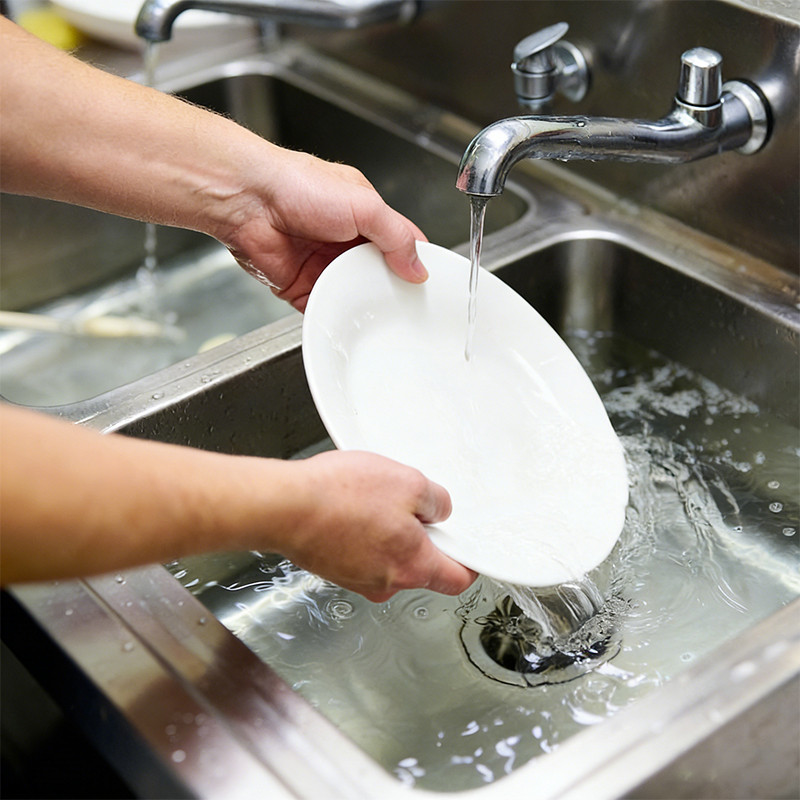
As someone deeply involved in the foodservice industry, I know that running a busy restaurant demands equipment that can keep up. Every item in a commercial kitchen must be reliable, durable, and easy to maintain. Among the most critical pieces of equipment is the commercial stainless steel sink. It's not just a basin for washing; it's a workstation vital for maintaining hygiene and operational efficiency.
I've seen firsthand how crucial it is to choose the right commercial stainless steel sink. These sinks are the backbone of any professional kitchen, constantly in use for washing dishes, prepping ingredients, cleaning utensils, and handling food waste. This guide will explore why commercial stainless steel sinks are the best option for demanding environments and how to use a three-compartment model effectively to meet rigorous food safety standards.
Key Takeaways
- Durability is Paramount: Commercial stainless steel sinks are built to withstand the intense demands of a restaurant environment, resisting dents, corrosion, and high temperatures. Opting for 16 or 18-gauge, 304-grade stainless steel ensures maximum longevity and value.
- Hygiene is Non-Negotiable: The non-porous surface of stainless steel prevents bacteria, dirt, and fungi from embedding, making it incredibly easy to clean and sanitize. This is a critical feature for passing health inspections and preventing foodborne illnesses.
- The Three-Compartment System is Law: For manual dishwashing, a three-compartment sink is a legal requirement in most jurisdictions. Each bay has a specific purpose—Wash, Rinse, Sanitize—that must be followed to ensure compliance with FDA and local health codes.
- Proper Procedure Matters: Effective use involves more than just having the right sink. It requires maintaining correct water temperatures, using appropriate sanitizer concentrations, and following a strict workflow to prevent cross-contamination.
- Air-Drying is a Must: After sanitizing, dishes and equipment must be air-dried. Towel-drying can reintroduce bacteria and undo the entire sanitization process, posing a significant health risk.
Why Commercial Stainless Steel Sinks are Indispensable for Busy Restaurants
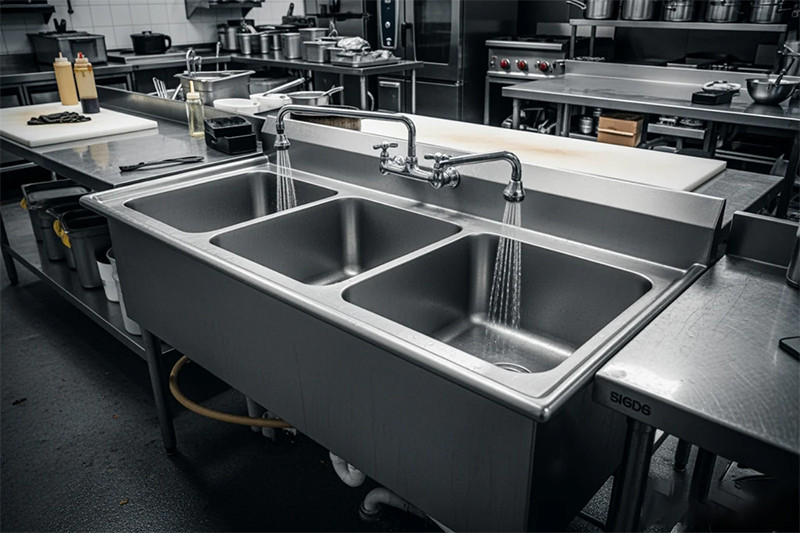
In the fast-paced, high-stakes environment of a commercial kitchen, every piece of equipment must be a top performer. There is little room for items that can't handle the pressure. Commercial stainless steel sinks are the industry standard for a multitude of reasons, chief among them being their incredible resilience, hygienic properties, and resistance to the harsh conditions of a restaurant. They are not merely a preference but a foundational component for safety and efficiency.
Unmatched Durability and Strength in a Commercial Stainless Steel Sink
A busy restaurant kitchen is a demanding environment where equipment is constantly subjected to heavy use, moisture, and heat. Commercial stainless steel sinks are specifically engineered for this setting. Their inherent strength makes them resistant to the dents, scratches, and impacts that are an everyday occurrence, from heavy pots being dropped to the constant clatter of utensils. Unlike materials such as porcelain or enamel that can chip or crack, stainless steel maintains its structural integrity, ensuring a long service life and reducing the need for costly replacements.
The durability of a stainless steel sink is largely determined by its gauge and grade.
- Gauge: This refers to the thickness of the steel. In sink terminology, a lower gauge number means thicker, more durable steel. For most commercial applications, 16 or 18-gauge is recommended for its ability to withstand heavy usage.
- Grade: The grade of stainless steel indicates its composition and, consequently, its resistance to corrosion. Type 304 stainless steel, also known as 18/8 for its 18% chromium and 8% nickel content, is the most common and highly recommended grade for foodservice environments. This composition gives it superior resistance to rust and corrosion, a critical feature for equipment that is constantly wet.
Investing in a high-quality, thick-gauge, 304-grade stainless steel sink is an investment in the longevity and smooth operation of your kitchen.
Superior Hygiene and Easy Maintenance of Commercial Stainless Steel Sinks
Hygiene is the top priority in any food preparation setting. Commercial stainless steel sinks excel in this area due to the material's non-porous surface. Unlike porous materials like wood or even some plastics, stainless steel has a smooth, dense surface that offers no place for bacteria, viruses, or mold to hide and multiply. This makes it exceptionally easy to clean and sanitize, a crucial factor in preventing foodborne illnesses and meeting stringent health code requirements.
The cleanability of stainless steel is often compared to that of glass. A simple wipe-down with a mild detergent and water is usually sufficient for daily cleaning. Because the surface doesn't harbor germs, you can be confident that once it's cleaned and sanitized, it is truly hygienic. This ease of maintenance saves valuable time during and after service, allowing staff to focus on other critical tasks while ensuring the kitchen remains compliant and safe.
Corrosion, Heat, and Chemical Resistance: Hallmarks of a Quality Commercial Stainless Steel Sink
A commercial sink must endure more than just physical impact; it faces a daily barrage of thermal and chemical stressors.
- Heat Resistance: From scalding water during dishwashing to a hot pot being placed directly in the basin, a sink needs to handle extreme temperature changes without warping or becoming damaged. 18/10 stainless steel can withstand temperatures up to 600 degrees Celsius, making it perfectly suited for the intense heat of a kitchen.
- Corrosion Resistance: The chromium in 304-grade stainless steel creates a passive, protective layer on the surface that is highly resistant to rust and corrosion. This is vital in an environment where the sink is constantly exposed to water and moisture.
- Chemical Resistance: Commercial kitchens use a variety of detergents and chemical sanitizers. Stainless steel is resistant to the acids found in many foods and the chemicals used for cleaning, ensuring that the material does not degrade or stain over time. However, it's important to avoid harsh, abrasive cleaners like steel wool or those containing chlorides, as they can damage this protective layer.
This trinity of resistance ensures that a quality commercial stainless steel sink will maintain its function and appearance for years, making it a reliable and cost-effective solution for any foodservice business.
Understanding the Three-Compartment Commercial Stainless Steel Sink System
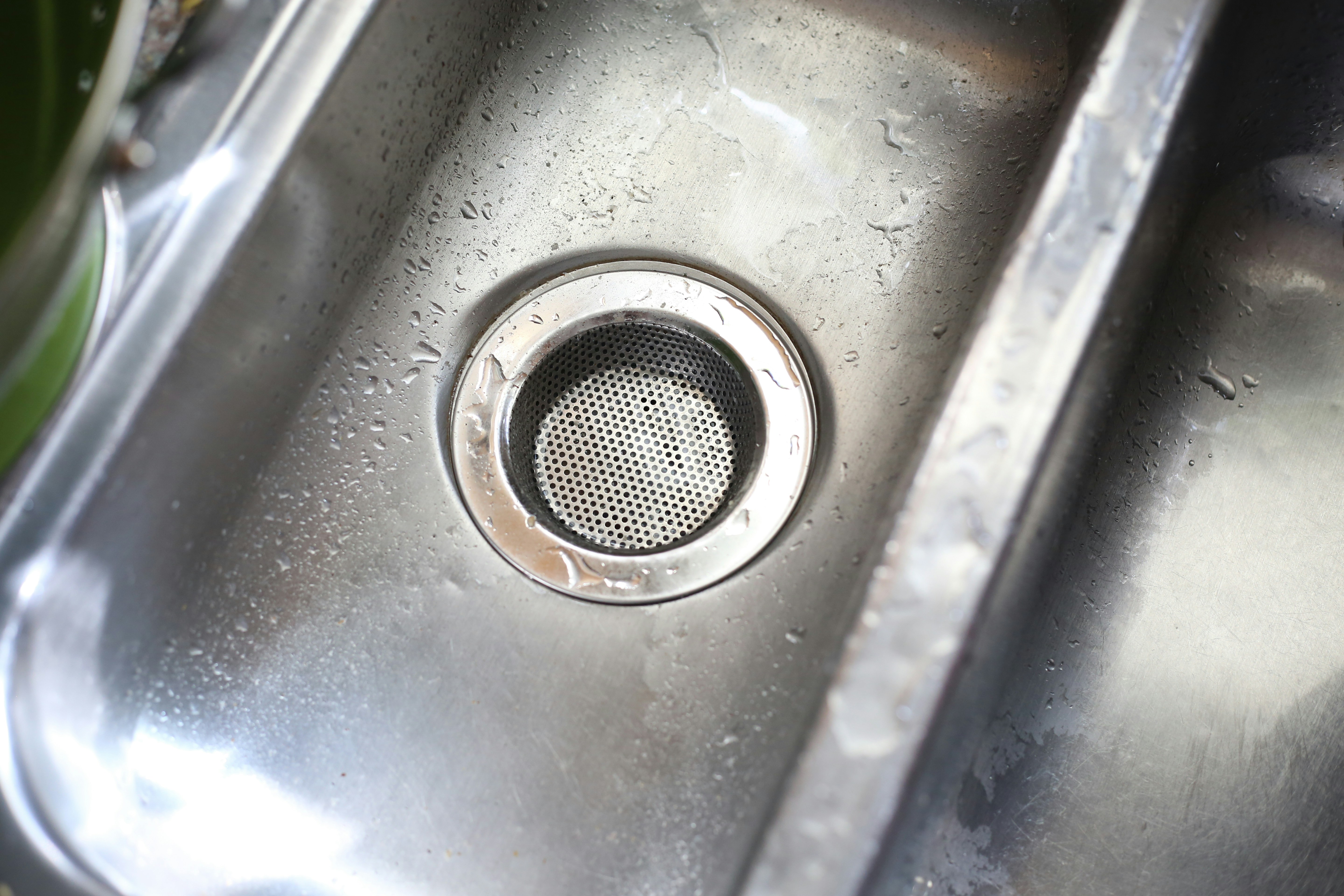
For any restaurant that manually washes dishes, a three-compartment sink is not just a recommendation—it's a legal requirement in most health jurisdictions. This system is the cornerstone of food safety in the dishwashing process, providing a structured workflow that ensures every item is properly washed, rinsed, and sanitized before being returned to service. Understanding the specific role of each compartment is essential for compliance and for protecting your customers from cross-contamination.
The Purpose of Each Bay in Your Commercial Stainless Steel Sink
The three-compartment sink method is a systematic process designed to remove food debris, eliminate grease, and kill harmful pathogens. Each bay has a distinct and crucial function in this sequence:
| Compartment | Purpose | Description |
|---|---|---|
| Bay 1 | Wash | This compartment is filled with hot water and a commercial-grade detergent. Its purpose is to scrub and remove all visible food soil and grease from dishes and utensils. The water temperature should be at least 110°F (43°C) to be effective. |
| Bay 2 | Rinse | The middle bay is filled with clean, hot water. After washing, items are submerged here to rinse away all detergent residue. This step is critical because leftover soap can neutralize the sanitizer in the next bay, rendering it ineffective. |
| Bay 3 | Sanitize | The final compartment holds either hot water at a sanitizing temperature (at least 171°F or 77°C) or, more commonly, a chemical sanitizing solution mixed to the correct concentration. Items are submerged for a specific contact time to kill remaining bacteria. |
This wash-rinse-sanitize workflow is a fundamental principle of food safety enforced by health inspectors.
Preparing Your Commercial Stainless Steel Sink for Optimal Use
Proper setup of your three-compartment sink is just as important as the washing process itself. An improper setup can lead to failed health inspections and compromise food safety.
Here is a checklist for preparing your sink area:
- Clean and Sanitize the Basins: Before beginning, ensure all three sink compartments are thoroughly scrubbed, rinsed, and sanitized to remove any lingering bacteria.
- Fill the Compartments:
- Wash Bay: Fill with hot water (at least 110°F / 43°C) and the appropriate amount of detergent.
- Rinse Bay: Fill with clean, hot water. This water should be changed frequently as it becomes sudsy.
- Sanitize Bay: Prepare your sanitizing solution according to the manufacturer's instructions. Use test strips to verify the concentration is correct. If using hot water sanitization, the water must be maintained at 171°F (77°C) or higher.
- Prepare Drainboards: Ensure you have two separate drainboards: one for soiled items waiting to be washed and another for clean, sanitized items to air-dry. This prevents cross-contamination between dirty and clean wares.
- Post Signage: Clearly label each sink compartment (Wash, Rinse, Sanitize) as a visual guide for staff and as required by most health departments.
By following these preparation steps, you create an efficient and compliant workstation that upholds the highest standards of kitchen hygiene.
A Step-by-Step Guide to Using Your Commercial Stainless Steel Sink for Washing
With your three-compartment sink properly prepared, the next phase is executing the washing process correctly. This is a hands-on task that requires attention to detail at every step to ensure that every plate, pot, and fork is not just visibly clean, but hygienically safe for customer use. This workflow is a critical control point in preventing the spread of foodborne pathogens.
Bay 1: Thorough Washing in Your Commercial Stainless Steel Sink
The journey to a clean dish begins in the first compartment. This bay is about the physical removal of all food residue.
- Scrape and Pre-rinse: Before placing items in the wash bay, scrape off all large food particles into a garbage can or a food waste disposal unit. A quick pre-rinse can also help remove excess grease and sauces, which will help keep the wash water cleaner for longer.
- Submerge and Scrub: Fully submerge the items in the hot, soapy water. Using a brush, cloth, or sponge, scrub every surface of the item. Pay close attention to corners, handles, and any crevices where food can hide.
- Maintain Water Quality: The water in the wash bay will inevitably become dirty and greasy. It must be drained and refilled with fresh hot water and detergent as needed, typically when the water becomes too greasy or the temperature drops below 110°F (43°C). Washing dishes in dirty water is counterproductive and unhygienic.
Bay 2: Effective Rinsing in the Commercial Stainless Steel Sink
The second bay might seem simple, but its role is vital. Rinsing removes the soap film left behind from the wash bay, which is essential for the sanitizer to work effectively in the final step.
- Complete Submersion: Dip the washed items completely into the clean rinse water. Move them around to ensure water reaches all surfaces.
- Check for Residue: As you lift the item out of the rinse water, look for any remaining soap bubbles or a greasy film. If you see any, the item may need to be re-washed. A clean, well-rinsed item will "sheet" water off its surface smoothly.
- Keep the Water Clean: The rinse water must remain clear and free of suds. Like the wash water, it should be drained and refilled regularly. Using a continuous overflow of fresh water in the rinse bay is an excellent practice if your plumbing allows for it.
Following these first two steps diligently sets the stage for the most critical part of the process: sanitization.
Sanitizing with Your Commercial Stainless Steel Sink: Chemical Methods
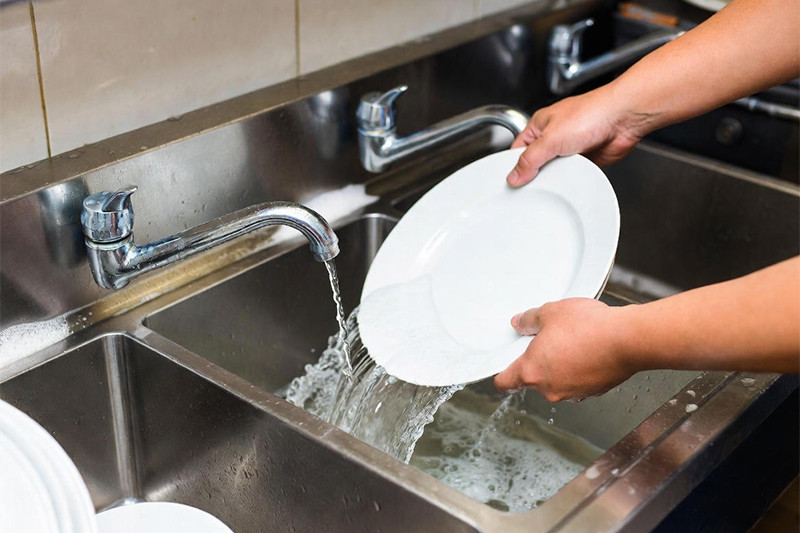
After an item is washed and rinsed, it may look clean, but microscopic pathogens can still be present. The final step, sanitizing, is designed to reduce these microorganisms to a safe level. While hot water sanitization is an option, most restaurants rely on chemical sanitizers for their efficiency and ease of use. The three most common types approved for foodservice are Chlorine, Quaternary Ammonium, and Iodine. It is critical to use them correctly to ensure food safety.
Chlorine-Based Sanitizers in Your Commercial Stainless Steel Sink
Chlorine solutions (typically bleach) are among the most common and cost-effective sanitizers available.
- Concentration: The required concentration for a chlorine-based sanitizer in a three-compartment sink is typically between 50 and 100 parts per million (ppm).
- Temperature and Time: The water temperature should be between 75°F and 100°F (24°C to 38°C) for optimal effectiveness. Items should be submerged for at least 30 seconds.
- Pros: It is inexpensive, widely available, and effective against a broad spectrum of microorganisms.
- Cons: Chlorine can be corrosive to stainless steel over time, especially at higher concentrations. It can also be irritating to the skin and has a distinct odor. Its effectiveness diminishes quickly in the presence of organic matter (dirt).
Quaternary Ammonium (Quats) for Commercial Stainless Steel Sink Sanitization
Quats are another popular choice, known for being less harsh than chlorine.
- Concentration: The concentration for quats is typically set by the manufacturer, usually around 200 ppm. It's crucial to follow the specific product label.
- Temperature and Time: The water should be at least 75°F (24°C). The required contact time is also at least 30 seconds.
- Pros: Quats are non-corrosive, non-staining, and work well in a wider range of pH levels. They also leave behind a residual antimicrobial film.
- Cons: They are more expensive than chlorine and can be less effective against certain types of viruses. The residual film can sometimes be a drawback on surfaces like glassware.
Iodine-Based Solutions for Your Commercial Stainless Steel Sink
Iodine is less common than the other two but is still an effective sanitizer.
- Concentration: The required concentration for an iodine sanitizer is between 12.5 and 25 ppm.
- Temperature and Time: The water temperature should be at least 75°F (24°C), with a minimum contact time of 30 seconds.
- Pros: Iodine is effective against a wide range of bacteria and is less affected by water hardness than other sanitizers. The brownish-yellow color provides a visual cue that the solution is still active.
- Cons: It is the most expensive of the three and can stain plastics and other porous materials.
For all chemical sanitizers, using test strips is mandatory to ensure the concentration is within the correct range. Too little sanitizer won't be effective, while too much can be toxic.
The Importance of Air-Drying After Using Your Commercial Stainless Steel Sink
After an item has been properly sanitized, the process is still not complete. The final, crucial step is to allow it to air-dry completely.
- Why Not Towel-Dry? Using a cloth towel to dry dishes is a major violation of health codes. Towels can harbor bacteria and can instantly re-contaminate a freshly sanitized item, undoing all the work of washing, rinsing, and sanitizing.
- Proper Procedure: Place the sanitized items on a clean, self-draining rack or drainboard. Ensure there is enough space between items for air to circulate freely. They must not be stacked while wet, as this traps moisture and creates a breeding ground for bacteria. Only after items are completely dry should they be stored away.
Ensuring Food Safety and Compliance with Your Commercial Stainless Steel Sink
Using a commercial stainless steel sink effectively goes beyond just the mechanics of washing dishes; it's about embedding a culture of food safety into your kitchen's daily operations. Adhering to the specific requirements for temperature and sanitizer concentration isn't just about passing inspections—it's about actively preventing foodborne illness. Likewise, establishing a workflow that minimizes cross-contamination is fundamental to a safe and professional kitchen.
Adhering to Temperature and Concentration Requirements for Your Commercial Stainless Steel Sink
Health codes, often based on the FDA Food Code, are very specific about the parameters for dishwashing. Failure to meet these standards can result in violations and fines.
- Temperature:
- Wash Water: Must be maintained at or above 110°F (43°C) to effectively cut through grease and loosen food soil.
- Hot Water Sanitization: If using this method, the water in the third bay must be kept at a constant 171°F (77°C) or higher. This requires a booster heater and is less common for manual washing.
- Chemical Sanitizer Temperature: For chemical sanitizers, the water temperature should generally be at least 75°F (24°C) to ensure the chemicals activate properly.
- Concentration:
- As detailed previously, each type of chemical sanitizer has a specific effective range (e.g., 50-100 ppm for chlorine).
- Regular Testing: Staff must be trained to use chemical test strips to check the sanitizer concentration at the start of a shift and periodically throughout the day. The solution can become depleted or diluted over time and may need to be refreshed.
- Logging: Many health departments recommend keeping a log to document that temperatures and sanitizer concentrations are being checked regularly. This demonstrates due diligence to an inspector.
Preventing Cross-Contamination in Your Commercial Stainless Steel Sink Workflow
A three-compartment sink is a potential hotspot for cross-contamination if not managed correctly. Preventing the transfer of pathogens from soiled items to clean ones is paramount.
Key strategies include:
- Dedicated Work Areas: Strictly enforce the use of separate drainboards for dirty and clean items. Soiled items should flow in one direction only: from the dirty area, through the three sink bays, to the clean drying area.
- Separate Sinks for Different Tasks: A three-compartment sink is for warewashing only. It should never be used for handwashing or food preparation. Health codes require separate, dedicated sinks for these tasks to prevent dangerous cross-contamination. Washing hands in a dish sink or thawing chicken in a prep sink are major health code violations.
- Proper Glove Use: If staff wear gloves, they should change them after handling soiled dishes and before touching clean, sanitized items.
- Cleaning the Area: The entire sink area, including faucets, basins, and drainboards, should be regularly cleaned and sanitized to prevent the buildup of biofilm and bacteria.
By building these compliance and safety checks into your standard operating procedures, your commercial stainless steel sink becomes a powerful tool for upholding the reputation and safety of your restaurant.
Frequently Asked Questions (FAQ)
Q1: What is the best grade of stainless steel for a commercial sink? A: The best and most commonly required grade for commercial foodservice applications is Type 304 stainless steel. This grade contains a higher percentage of chromium and nickel, giving it superior resistance to rust, corrosion, and chemicals compared to cheaper grades like Type 430. Investing in a 304-grade sink ensures it will withstand the harsh environment of a professional kitchen and meet health code standards.
Q2: Can I use bleach to clean my stainless steel sink? A: While bleach is an effective sanitizer, it should be used with caution on stainless steel. If left for too long or used in too high a concentration, chlorine bleach can be corrosive and cause pitting on the steel's surface. When using it as a sanitizer, ensure it's diluted to the proper concentration (50-100 ppm) and that items are not left to soak for extended periods. For general cleaning, mild soap and water is a safer choice.
Q3: How often do I need to change the water in my three-compartment sink? A: The water in all three compartments should be changed as soon as it becomes dirty, greasy, or filled with food particles. The wash water (Bay 1) often needs changing most frequently. The rinse water (Bay 2) should be changed when it becomes sudsy. The sanitizer solution (Bay 3) should be changed when it becomes visibly dirty or when test strips indicate the concentration has fallen below the effective level. There is no set time; it depends entirely on the volume of dishes being washed.
Q4: Why can't I stack wet dishes to save space? A: Stacking wet dishes traps moisture between them, which prevents proper air circulation and drying. This lingering moisture creates the perfect environment for any remaining bacteria to multiply, completely negating the sanitization process. It is a critical food safety violation. Dishes must be placed on a sanitized rack with adequate space to air-dry completely before they are stacked or stored.
From my perspective, investing in a high-quality commercial stainless steel sink and understanding its proper use is not just about meeting regulations; it's about safeguarding your customers and ensuring the smooth operation of your business. These sinks are engineering marvels for hygiene and efficiency in the demanding world of commercial kitchens.
I believe that by following these guidelines for selecting, preparing, and operating your commercial stainless steel sink, you will enhance your kitchen's overall cleanliness, efficiency, and reputation. A well-maintained and correctly used commercial stainless steel sink is an invaluable asset that contributes significantly to the success and safety of any busy restaurant.