Your Essential Guide to Utility Stainless Steel Sinks: Gauges, Sizes, and Performance
- Share
- Issue Time
- Apr 27,2026
Summary
This comprehensive guide assists in selecting stainless steel utility sinks for commercial kitchens and specialized facilities, emphasizing their critical role in hygiene and durability. The article details two primary technical specifications: gauge and grade. Gauge refers to the steel's thickness, where a lower number indicates greater durability and strength. For instance, 18-gauge is suitable for light-duty, budget-conscious uses, while 16-gauge is considered the industry standard for most c
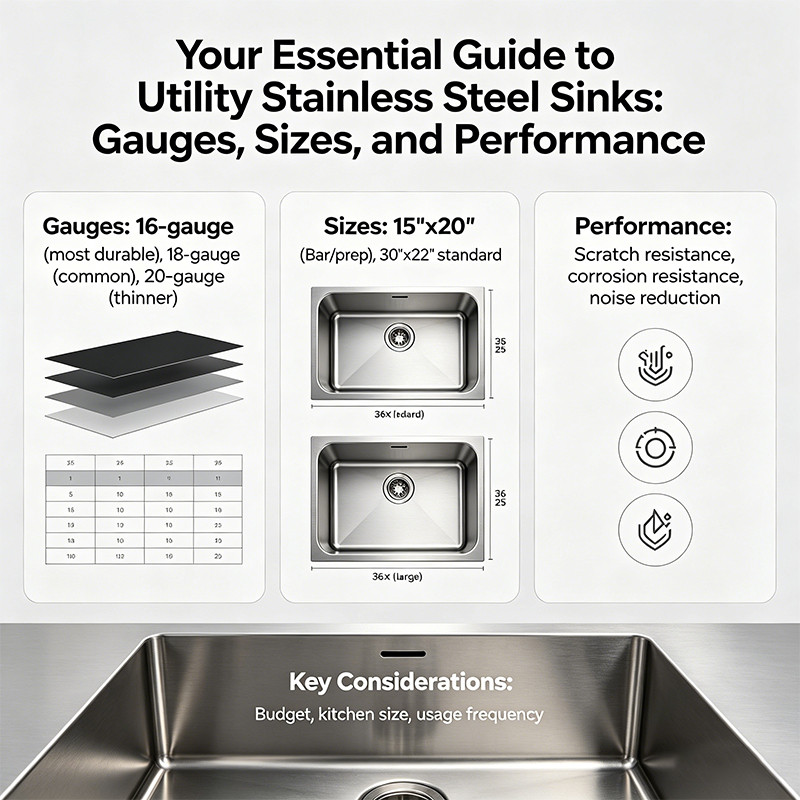
As someone involved in managing a commercial kitchen or a specialized facility, I understand the critical importance of investing in high-quality equipment, especially when it comes to hygiene and durability. That's why I'm here to provide an essential guide to utility sink stainless steel, ensuring you make informed decisions for your workspace.
From understanding the thickness and type of steel to exploring various design features and specialized configurations, I'll walk you through everything you need to know about utility sink stainless steel to maximize performance and longevity in demanding environments.
Understanding Utility Sink Stainless Steel: Gauges and Grades
Selecting the right stainless steel utility sink involves two primary technical specifications: gauge and grade. The gauge refers to the thickness of the steel, which directly impacts its durability, while the grade indicates the material's composition and resistance to corrosion. Making an informed decision on both fronts is crucial for ensuring your investment withstands the rigors of a commercial or industrial setting.
Gauges of Utility Sink Stainless Steel
When it comes to stainless steel, the term 'gauge' refers to the thickness of the metal. It's a critical factor because it directly correlates with the sink's strength, durability, and even noise level. A counterintuitive rule applies here: the lower the gauge number, the thicker and more robust the steel. For instance, a 16-gauge sink is significantly thicker and more durable than a 22-gauge sink. This thickness provides enhanced resistance to dents from heavy pots, warping from thermal shock, and vibration from garbage disposals and running water. While residential sinks can range from 16 to 23 gauge, commercial applications demand thicker steel to endure intensive, long-term wear and tear.
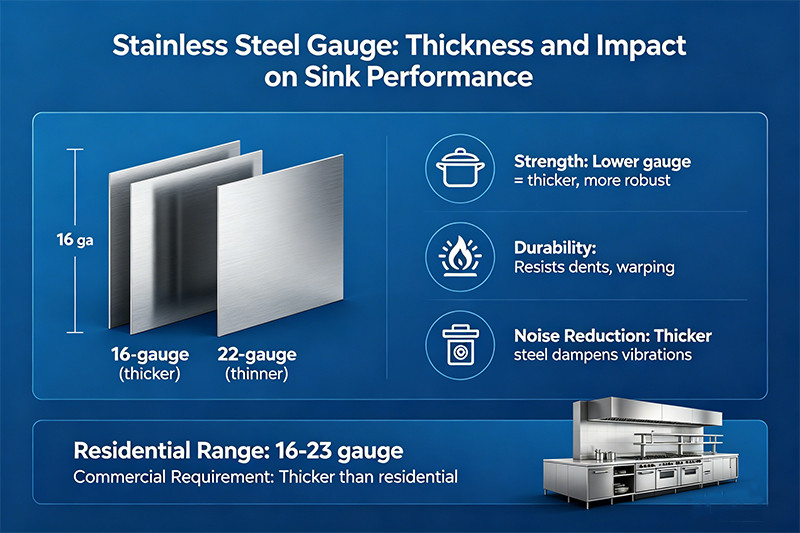
Let's explore the common gauges for utility sinks.
18 Gauge: Budget-Friendly Utility Sink Stainless Steel
For many settings, 18-gauge stainless steel represents an excellent balance between cost, durability, and performance. It is thinner and lighter than its lower-gauge counterparts, which can make installation easier and the initial cost more budget-friendly. An 18-gauge sink is still strong enough for many everyday commercial tasks and is a popular choice for light to moderate use applications. While it offers good durability, it is more susceptible to denting from heavy impacts compared to thicker gauges. However, for facilities that don't regularly handle extremely heavy cookware or equipment, an 18-gauge sink offers a practical and economical solution without a significant compromise on quality.
16 Gauge: Balanced Utility Sink Stainless Steel
Often considered the gold standard for commercial kitchens, 16-gauge stainless steel provides a superior blend of durability and value. It is approximately 25% thicker than 18-gauge steel, giving it a more substantial feel and enhanced resistance to denting, bowing, and scratching. This added thickness also offers better noise reduction, muffling the clatter of dishes and the drumming of running water for a quieter work environment. Because of its ability to withstand heavy daily use, 16-gauge is the recommended minimum for most commercial applications, including busy restaurants, bakeries, and industrial spaces where equipment needs to be long-lasting. It is the ideal choice for those seeking a high-performance sink that will endure for years.
14 Gauge: Heavy-Duty Utility Sink Stainless Steel
When the work environment is exceptionally demanding, 14-gauge stainless steel is the undisputed heavy-duty champion. Significantly thicker and more robust than both 16 and 18-gauge options, 14-gauge sinks are built to withstand the most extreme conditions. They are commonly found in high-volume institutional kitchens, food processing plants, and machine shops where the sink must endure constant, intensive use and potential abuse from heavy machinery and equipment. While it is the most expensive option, its unparalleled durability means it can resist dents, warping, and damage from the heaviest impacts, ensuring maximum longevity. For operations running 24/7 or those involving exceptionally heavy wear and tear, investing in a 14-gauge sink provides ultimate peace of mind.
Gauge Comparison Table
| Gauge | Thickness (Inches) | Best For | Durability |
|---|---|---|---|
| 18 Gauge | ~0.0500" | Light-duty, budget-conscious applications | High |
| 16 Gauge | ~0.0625" | Most commercial kitchens, all-purpose use | Very High |
| 14 Gauge | ~0.0781" | Heavy-duty, industrial, and high-volume settings | Maximum |
Grades of Utility Sink Stainless Steel
Beyond thickness, the grade of stainless steel is a vital specification that defines its chemical composition, particularly its chromium and nickel content. These elements are key to the steel's ability to resist rust, corrosion, and stains. Not all stainless steel is created equal, and choosing the right grade ensures your sink remains hygienic, durable, and visually appealing in its specific environment. The most common grades for commercial and utility applications are Type 304, Type 316, and Type 430.
Type 304: Popular Utility Sink Stainless Steel
Type 304 is the most widely used grade for kitchen and utility sinks, and for good reason. Often referred to as 18/8 stainless steel, it is composed of approximately 18% chromium and 8% nickel. This composition gives it excellent resistance to rust, corrosion, and common kitchen acids. Its non-porous surface is naturally hygienic, as it prevents bacteria from harboring in the material, and it is remarkably easy to clean and sanitize, a critical feature for any food service or healthcare environment. Type 304 strikes an ideal balance between performance, durability, and cost, making it the industry standard for general-purpose commercial kitchens, restaurants, and residential use. Its ability to withstand high temperatures, impacts, and daily wear and tear ensures a long and reliable service life.
Type 316: High-Hygiene Utility Sink Stainless Steel
For environments that face more extreme conditions, Type 316 stainless steel is the superior choice. What sets Type 316 apart is the addition of 2-3% molybdenum to its chemical makeup. This element dramatically enhances its resistance to corrosion, particularly from chlorides (like salt) and harsh industrial chemicals. For this reason, Type 316 is often called "marine-grade" stainless steel and is the go-to option for laboratories, medical facilities, coastal area installations, and food processing plants that use aggressive cleaning agents. While it is more expensive than Type 304, its robust defense against pitting and chemical attack makes it a necessary investment in sterile, scientific, or high-saline settings where hygiene and material integrity are paramount.
Type 430: Economical Utility Sink Stainless Steel
Type 430 stainless steel is a more economical, ferritic alternative distinguished by its very low (or nonexistent) nickel content and high chromium content. This composition makes it magnetic, unlike the 300-series grades. While Type 430 offers good resistance to corrosion in mild, dry environments and can be an effective material for certain applications, it is significantly less resistant to rust and chemical attack than Type 304 and 316. It is not recommended for environments with high humidity, or frequent exposure to acids and salts, as it is more prone to staining and pitting over time. Due to its lower cost, it is sometimes used for budget-friendly equipment, utility tables, or decorative backsplashes in less demanding, indoor settings where corrosion is not a primary concern.
Grade Comparison Table
| Grade | Key Elements | Corrosion Resistance | Best For |
|---|---|---|---|
| Type 304 | 18% Chromium, 8% Nickel | Excellent | General commercial kitchens, all-purpose use |
| Type 316 | 18% Chromium, 10% Nickel, 2-3% Molybdenum | Superior | Laboratories, healthcare, coastal areas, harsh chemical environments |
| Type 430 | 17% Chromium, 0% Nickel | Moderate | Dry, low-intensity environments, budget applications |
Utility Sink Stainless Steel: Design Features for Efficiency
Beyond the fundamental choices of gauge and grade, the design of a stainless steel utility sink bench plays a pivotal role in optimizing workflow, storage, and space. A well-designed sink unit is more than just a place to wash; it's a fully integrated workstation that enhances productivity and organization. By incorporating smart features and space-saving configurations, you can transform a simple utility sink into the command center of your commercial kitchen or workspace. These thoughtful additions are engineered to meet the dynamic demands of high-traffic environments, ensuring that every tool has its place and every square foot is maximized.
Smart Features for Your Utility Sink Stainless Steel Bench
To elevate a utility sink from a basic fixture to a high-efficiency workstation, consider integrating features that add storage, mobility, and organizational capacity. These enhancements are designed to streamline daily tasks, reduce clutter, and create a more adaptable and ergonomic workspace.
Drawers for Utility Sink Stainless Steel Storage
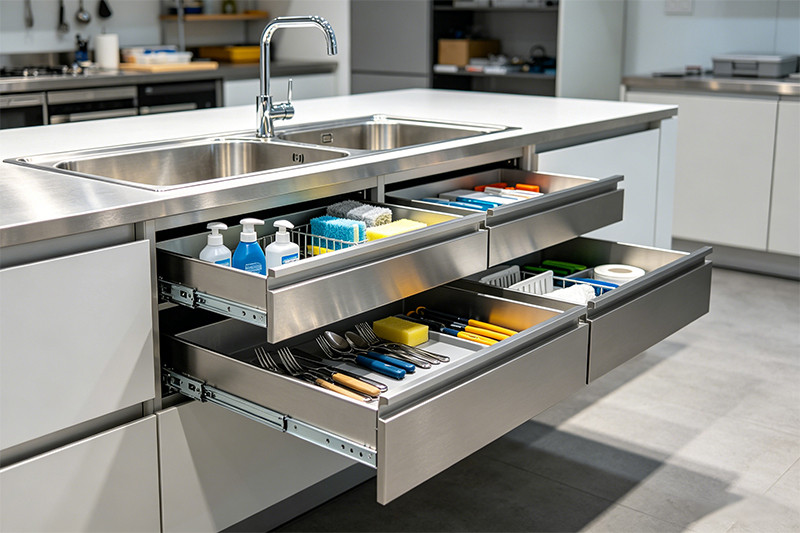
Integrating drawers directly into the utility sink bench is a game-changer for kitchen organization. These under-sink cabinets provide a designated, easily accessible space for storing essential tools, cleaning supplies, cutlery, and other small items that can clutter work surfaces. By keeping these necessities out of sight but within arm's reach, stainless steel drawers help maintain a tidy, hygienic, and efficient environment. This setup is particularly beneficial in fast-paced kitchens where quick access to tools can significantly speed up prep and cleaning routines. The durable, non-porous nature of stainless steel construction also ensures the drawers are easy to clean and resistant to moisture damage, which is a common issue in under-sink areas.
Casters for Mobile Utility Sink Stainless Steel
Equipping a utility sink with casters introduces a level of mobility and flexibility that is invaluable in dynamic work environments. A portable sink can be an ideal solution for catering businesses, event spaces, or kitchens that require frequent reconfiguration. Mobile sinks can be moved easily for thorough floor cleaning, transported to different work areas as needed, or positioned temporarily for specific tasks. Look for heavy-duty, locking swivel casters that allow for smooth transport and can be securely locked in place to ensure stability during use. This adaptability makes mobile utility sinks a practical solution for maximizing space and functionality, especially where permanent plumbing is not feasible.
Under Shelves for Utility Sink Stainless Steel
An under shelf is a simple yet highly effective feature for maximizing storage capacity in a utility sink unit. Typically made of the same durable stainless steel, these shelves provide a robust platform for storing bulky items like large pots, containers, cleaning chemical buckets, or small equipment. By utilizing the vertical space beneath the sink bowl, an under shelf keeps essential supplies off the floor, promoting better hygiene and easier cleaning. This open-storage solution ensures items are readily visible and accessible, improving workflow efficiency. Worktables with adjustable under shelves offer even greater customization to accommodate items of various sizes.
Space-Saving Utility Sink Stainless Steel Options
In kitchens and workspaces where every square foot is precious, innovative sink designs can make a significant difference. Space-saving configurations are engineered to fit into unconventional layouts and maximize utility without sacrificing performance, making them ideal for smaller commercial kitchens, compact labs, or irregularly shaped rooms.
Corner Benches for Utility Sink Stainless Steel
Corner utility sink benches are a brilliant solution for capitalizing on often-underutilized corner space. Designed to fit snugly into a 90-degree corner, these units transform a dead zone into a productive washing or prep station. Fan-shaped or triangular bowls are common in these designs, offering a compact yet functional basin. This layout is perfect for smaller kitchens, bars, or any area where a traditional linear bench would disrupt traffic flow or feel too cumbersome. By tucking the sink away, you can free up valuable counter space and create a more open, efficient kitchen layout.
Wet Benches for Spill-Proof Utility Sink Stainless Steel
Wet benches are specialized workstations designed with raised "marine" edges to contain spills and prevent liquids from running onto the floor. This feature is indispensable in laboratories, medical environments, and food prep areas where frequent liquid handling is part of the daily routine. The raised perimeter acts as a barrier, directing all water, chemicals, and other fluids toward the sink basin for proper drainage. This not only enhances safety by preventing slippery floors but also protects surrounding cabinetry and equipment from water damage. A stainless steel wet bench provides a durable, hygienic, and easy-to-clean surface that is built to handle the messiest tasks with ease.
Specialized Utility Sink Stainless Steel Applications
While all-purpose utility sinks serve a wide range of needs, certain professional environments require highly specialized sink configurations to meet stringent hygiene protocols, unique workflow demands, and safety standards. From healthcare and scientific research to bespoke commercial kitchen layouts, stainless steel's versatility allows it to be fabricated into sinks designed for specific, critical tasks. These specialized applications showcase how a utility sink can be precisely tailored to enhance efficiency and safety in the most demanding fields.
Utility Sink Stainless Steel for Healthcare and Labs
In healthcare and laboratory settings, sinks are more than just a place to wash hands or equipment; they are critical tools for infection control and procedural accuracy. The materials and design must adhere to the strictest standards of hygiene and chemical resistance.
Dirty Utility Sinks for Healthcare
A "dirty utility sink," also known as a slop sink, is an essential fixture in hospitals, clinics, and long-term care facilities. It is specifically designed for the disposal of bodily fluids, contaminated liquids, and other medical waste. These sinks often feature deep bowls to minimize splashing, and some are equipped with flushing rims to aid in cleaning and sanitation. Constructed from non-porous stainless steel, they provide a hygienic surface that is easy to disinfect, playing a crucial role in preventing cross-contamination and maintaining a sterile environment. The durability of stainless steel ensures it can withstand frequent use of harsh cleaning agents required in healthcare settings.
Lab Peninsula & Workstation Utility Sink Stainless Steel
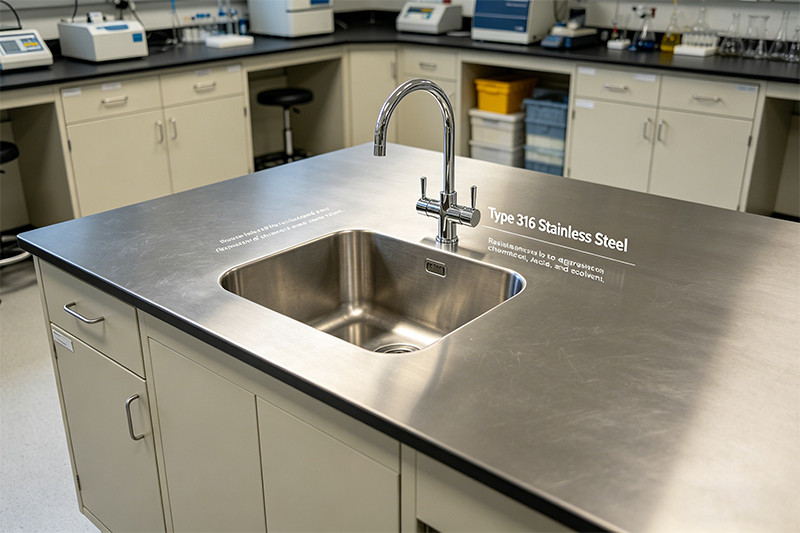
In a laboratory, efficiency and workflow are paramount. Lab peninsula and island workstations often incorporate integrated stainless steel sinks to create a seamless and highly functional workspace. Placing a sink directly within a work-at-height bench or at the end of a peninsula allows researchers to rinse glassware, dispose of solutions, and wash hands without leaving their station. This integration streamlines experimental procedures and cleanup. For these applications, Type 316 stainless steel is often preferred due to its superior resistance to a wide array of aggressive chemicals, acids, and solvents commonly used in labs.
Lab Corner Utility Sink Stainless Steel
Similar to their commercial kitchen counterparts, lab corner sinks are designed to maximize space in research facilities where every inch counts. By fitting into a corner, they free up valuable linear bench space for instruments and experiments. These sinks are typically made from chemical-resistant Type 316 stainless steel to ensure longevity in a corrosive environment. They provide a convenient, space-saving solution for handwashing or small equipment rinsing, supporting a clean and efficient laboratory workflow.
Samsink BenchTech Utility Sink Stainless Steel Configurations
The configuration of sink bowls within a utility bench is a key decision that directly impacts multitasking capabilities and workflow efficiency. Depending on the primary tasks performed at the station, a choice between a single or double bowl setup can make a significant difference.
Samsink Single Bowl Utility Sink Stainless Steel
A single bowl utility sink offers one large, uninterrupted basin. The primary advantage of this design is its capacity to accommodate oversized items that would not fit in a divided sink. This makes it ideal for washing large pots, pans, baking sheets, and bulky equipment parts. The generous, open space provides maximum flexibility for a variety of heavy-duty cleaning tasks, serving as the perfect solution for pot-washing stations or areas designated for cleaning large, single items.
Samsink Double Bowl Utility Sink Stainless Steel
A double bowl utility sink features two separate basins side-by-side, which is excellent for multitasking and creating a streamlined wash-rinse-sanitize workflow. This configuration allows staff to dedicate one bowl to soaking or washing dirty dishes while keeping the other free for rinsing clean items or prepping food. In many commercial kitchens, this setup is essential for maintaining hygiene protocols, separating soiled and clean items effectively. The dual-bowl design dramatically improves efficiency, allowing for a more organized and productive cleaning process.
Key Takeaways
Choosing the right stainless steel utility sink is a critical investment in your workspace's efficiency, hygiene, and longevity. Here are the essential points to remember:
- Gauge Determines Thickness and Durability: The most important rule to remember is that a lower gauge number means thicker, more durable steel. For most commercial applications, 16-gauge offers the perfect balance of strength and cost. Reserve 14-gauge for extreme heavy-duty use and 18-gauge for lighter, budget-conscious applications.
- Grade Dictates Corrosion Resistance: The grade of steel determines its ability to fight rust and chemical damage. Type 304 (18/8) is the industry standard, ideal for general-purpose kitchens. For laboratories, coastal areas, or anywhere harsh chemicals are used, the superior corrosion resistance of Type 316 (marine-grade) is a necessary upgrade.
- Smart Features Enhance Workflow: Don't overlook design features that boost functionality. Integrated drawers and under shelves provide crucial storage to keep work areas organized. Casters add valuable mobility for cleaning and reconfiguring your space.
- Configuration Should Match Your Tasks: The layout of your sink bench should support your daily operations. A large single bowl is perfect for washing oversized pots and equipment. A double bowl sink is essential for multitasking and creating an efficient wash, rinse, and sanitize process.
- Specialized Designs Solve Unique Problems: For tight spaces, corner sinks are an excellent way to utilize otherwise dead areas. In environments where spills are common, a wet bench with raised marine edges provides critical containment and improves safety. For healthcare, specialized dirty utility sinks are essential for infection control.
Frequently Asked Questions (FAQ)
1. What is the best way to clean and maintain a stainless steel utility sink? For daily cleaning, use a mild detergent, warm water, and a soft cloth or sponge. Always clean in the direction of the steel's grain to avoid scratching. Rinse thoroughly with clean water and wipe dry with a soft towel to prevent water spots and mineral buildup. For tougher stains, a paste of baking soda and water can be effective. Avoid using abrasive materials like steel wool or harsh cleaners containing chlorides (bleach), which can damage the passive layer of the steel and lead to corrosion.
2. Can a stainless steel sink rust? If so, why? Yes, under certain conditions, even high-quality stainless steel can show signs of rust. This typically happens when the protective chromium oxide layer is damaged. The most common causes are prolonged contact with cast iron cookware (which leaves iron particles that rust), using harsh cleaners like bleach, or scrubbing with steel wool. Type 430 steel, with its lower nickel content, is more susceptible to rust than Type 304 or 316. To prevent this, always rinse your sink after use and avoid leaving metal items sitting in the basin.
3. Is a lower gauge number (thicker steel) always the better choice? While a lower gauge number means a thicker and more durable sink, it isn't always necessary for every application. Thicker steel is heavier and more expensive. For very light-duty use, an 18-gauge sink may be perfectly adequate and more cost-effective. However, for most commercial and industrial settings where the sink will endure frequent and heavy use, investing in a 16-gauge or 14-gauge sink is a better long-term decision due to its superior resistance to dents and warping.
4. What is the main difference between a commercial utility sink and a residential kitchen sink? The primary differences are durability, size, and design. Commercial utility sinks are built for heavy-duty use, typically constructed from thicker 14 or 16-gauge steel. They feature much deeper basins (often 12-14 inches or more) to accommodate large pots and prevent splashing. Furthermore, they are often part of larger, integrated workstations with features like drainboards, under shelves, and multi-bowl configurations designed for specific workflows and to meet health code standards.
5. Why are some stainless steel sinks magnetic while others are not? The magnetic properties of stainless steel are determined by its crystalline structure, which is a result of its chemical composition. Austenitic grades, like Type 304 and Type 316, have a high nickel content that makes them non-magnetic. Ferritic grades, like Type 430, contain little to no nickel and are therefore magnetic. This is a key way to differentiate between these grades.
I hope this guide has illuminated the key factors in selecting the perfect utility sink stainless steel for your specific needs, whether for a bustling commercial kitchen, a critical healthcare facility, or a demanding laboratory.
By understanding gauges, grades, and the myriad of design options available, you're now equipped to make an informed decision that ensures durability, hygiene, and efficiency for years to come. Remember, the right utility sink stainless steel is an investment in your operational success. If you found this guide helpful, please share it with your colleagues and leave a comment below with any questions or experiences you'd like to share